
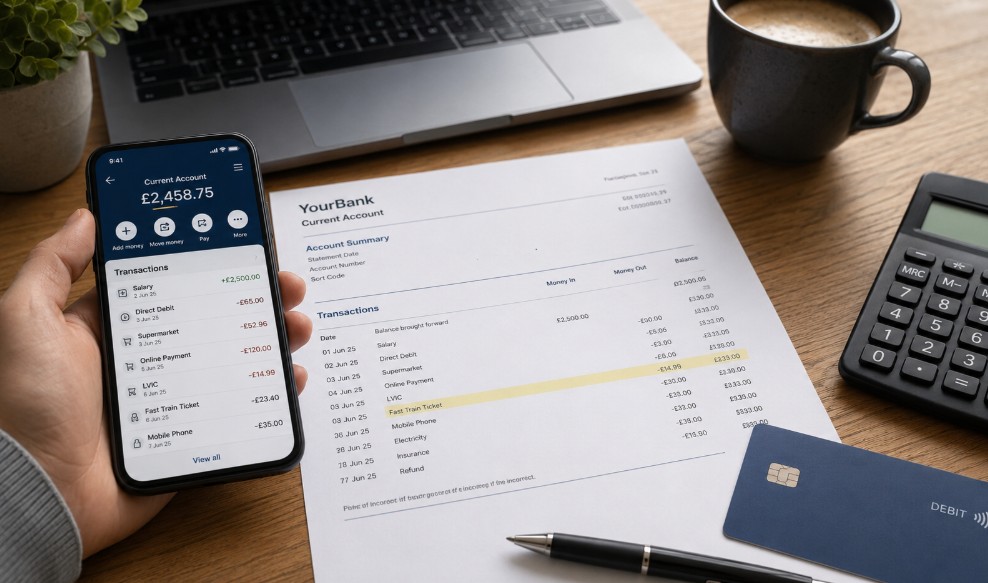
Seeing LVIC on bank statement entries can be confusing, especially if you do not immediately recognise the payment.
In most UK cases, LVIC refers to Liverpool Victoria Insurance Company, commonly known as LV=, and the payment is usually linked to an insurance Direct Debit. It may relate to car, home, pet, travel, life insurance, or a monthly budget account instalment.
Key points to know:
- LVIC is usually connected to an LV= insurance payment.
- It may appear under slightly different transaction names.
- You should verify it through your bank, policy documents, or LV= directly.
- If it is unauthorised, contact your bank immediately.
Understanding the charge helps you decide whether it is expected, incorrect, or potentially suspicious.
What Does LVIC on a Bank Statement Mean?
LVIC on bank statement usually stands for Liverpool Victoria Insurance Company, the name behind the LV= insurance brand. When this appears on your account, it normally means a payment has been collected for an insurance policy or monthly instalment plan.
LV= is associated with several insurance products in the UK, including car insurance, home insurance, life insurance, pet insurance and travel insurance.
The abbreviation LVIC may appear because banks often shorten company names or display the Direct Debit originator name instead of the full trading name.
This does not automatically mean there is a problem. In many cases, it is simply a regular payment for an active policy. However, because bank statement descriptions can be unclear, it is sensible to confirm what the charge relates to before assuming it is valid.
A professional banking support adviser would usually explain it this way: “A statement descriptor is often a shortened billing name, so customers should compare the amount, date and Direct Debit reference before assuming a payment is fraudulent.”
So, if you have recently taken out, renewed, or paid monthly for an LV= insurance policy, LVIC is likely to be the payment reference connected with it.
Why Is LVIC Taking Money from Your Bank Account?
LVIC may be taking money from your bank account because you have an active insurance policy with LV= that is paid monthly through Direct Debit. Many customers spread insurance premiums across the year rather than paying annually.
Common reasons for LVIC payments include:
- Active car, home, or life insurance policies
- Automatic policy renewal
- Monthly Direct Debit arrangements
- Joint account payments made by another person
- Older or forgotten insurance policies
Some payments continue after auto-renewal if the policy was not cancelled before the renewal date. In certain cases, the payment may relate to a small recurring policy you no longer remember.
Before cancelling the Direct Debit, it is important to confirm the payment source. Stopping payments immediately may not cancel the insurance policy itself and could lead to missed payment issues.
Is LVIC a Legitimate Bank Statement Charge?
In most cases, LVIC is a legitimate bank statement charge connected to LV= insurance. However, legitimacy depends on whether the payment matches a policy you authorised.
A genuine LVIC payment will usually have a consistent amount, a recognisable Direct Debit instruction, and may match an insurance policy renewal or monthly instalment.
You may also find related documents in your email inbox or post, such as policy schedules, renewal notices or payment confirmations.
That said, you should still check any unfamiliar transaction. Even if the company name is genuine, the payment may be incorrect, duplicated, or linked to a policy you did not knowingly approve.
Legitimacy Check Table:
| What You See | What It May Mean | What You Should Do |
| LVIC | Standard Liverpool Victoria Insurance Company payment | Check your active LV= policies |
| LVIC Budget Acc | Monthly insurance instalment plan | Review policy payment terms |
| LVIC Reference Number | Payment linked to a specific policy | Match it with your policy documents |
| LV= Insurance | LV= branded insurance payment | Confirm amount and payment date |
| LV Insuranc | Shortened bank descriptor | Search emails for LV= or Liverpool Victoria |
This table should be used as a guide only, because different banks may display merchant names in slightly different ways.
What Types of Insurance Payments Can Appear as LVIC?
LVIC can appear for different types of insurance policies, depending on what you hold with LV=. The most common are car and home insurance, but it may also relate to other personal insurance products.
Car Insurance Payments
Car insurance is one of the most likely reasons for an LVIC entry. If you pay monthly for your car insurance, the payment may show as LVIC, LV= Insurance, or a similar shortened description.
The amount may change at renewal if your premium has increased or decreased. This can make the transaction look unfamiliar, even when it relates to the same policy.
Home and Contents Insurance
Home insurance payments may also appear as LVIC. This could include buildings insurance, contents insurance, or a combined home insurance policy. If you recently moved house, changed your policy, or renewed cover, the Direct Debit may continue under this descriptor.
Pet, Travel and Life Insurance Policies
Other insurance products can also create an LVIC payment. These may include:
- Pet insurance premiums
- Travel insurance policies
- Life insurance or protection plans
- Income protection payments
Once you have checked the policy type, it becomes easier to confirm whether the LVIC charge is expected or needs further investigation.
Why Might You Not Recognise an LVIC Payment?
You may not recognise LVIC because the bank statement wording does not clearly say “LV=” or “Liverpool Victoria”. Many banks shorten merchant names, and different banks may display the same Direct Debit in slightly different ways.
Another common reason is auto-renewal. Insurance policies often renew annually unless cancelled, so a payment may continue even if you forgot about the policy. The amount may also change at renewal, making the transaction look unfamiliar.
A joint account can also cause confusion. Someone else with access to the account may have arranged a policy and used the shared bank details. Before raising a dispute, ask any other account holders whether they recognise the payment.
How Can You Identify an LVIC Direct Debit on Your Statement?
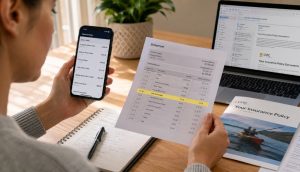
To identify an LVIC Direct Debit, compare the transaction against your insurance records, bank Direct Debit list, and any communication from LV=. The goal is to match three things: the amount, the date and the policy reference.
Common LVIC Transaction Descriptions
LVIC does not always appear in one exact format. Depending on the bank and payment system, you may see a shortened or expanded version.
Common Statement Descriptions:
| Statement Description | Possible Meaning |
| LVIC | Standard LV= insurance payment |
| LVIC Budget Acc | Monthly instalment or budget account payment |
| LVIC Ref | Payment with policy reference |
| LV= Insurance | LV= insurance premium |
| LV Insurance | Alternative shortened description |
| LV Insuranc | Truncated bank statement wording |
These descriptions are useful starting points, but you should still verify the payment through official documents or your bank.
Checking Your Banking App and Direct Debits
Open your banking app and look for your active Direct Debits. The LVIC entry may show a reference number, originator name, or collection date. If it is a Direct Debit, your bank may also show when it was created.
You should check:
- The date the Direct Debit was set up
- The company or originator name
- The payment amount
- The collection frequency
- Any reference number attached to the payment
These details can help you connect the transaction with a specific policy.
Finding Related Policy Documents
Search your email inbox for terms such as “LV=”, “Liverpool Victoria”, “insurance renewal”, “policy schedule” or “Direct Debit”. Also check letters or documents you may have received by post.
If the payment is genuine, there is usually a policy schedule, renewal invitation, payment plan, or confirmation document that explains the charge.
What Does LVIC Budget Account Mean on a Bank Statement?
LVIC Budget Account usually refers to a monthly payment arrangement for an LV= insurance policy. Instead of paying the annual premium in one full amount, the cost is spread across instalments.
This can be useful for budgeting, but monthly insurance payments may cost more overall than paying annually, depending on the terms. The first payment may also be higher or appear with wording such as “first payment” or “initial payment”.
LVIC Budget Account Examples:
| Description | Likely Meaning | Why It Appears |
| LVIC Budget Acc | Monthly instalment plan | You chose to spread insurance costs |
| LVIC Budget Acc First Payment | First instalment | A new or renewed policy has started |
| LVIC Budget Acc Initial Payment | Opening payment | First collection under the agreement |
| LVIC Ref followed by number | Policy-linked collection | Payment tied to a specific reference |
If you see this wording, check whether you recently renewed or started an LV= policy. If the amount looks wrong, contact LV= before cancelling the Direct Debit.
What Should You Do If the LVIC Charge Looks Incorrect?

If the LVIC charge looks incorrect, start by checking whether the payment amount, date or reference differs from your policy documents.
A different amount does not always mean fraud; it could reflect renewal pricing, policy changes, missed payments or an adjustment.
You should then contact LV= using official details and ask them to identify the policy linked to the payment. Have the transaction date, amount and bank reference ready. If LV= cannot trace the payment, speak to your bank and ask them to investigate the Direct Debit.
“When a Direct Debit appears incorrect, the first step is to establish whether it is a billing error, a renewal change or an unauthorised instruction.”
Do not ignore the charge. If it is genuine and you cancel it without speaking to the insurer, your cover could be affected.
Can You Cancel an LVIC Payment or Direct Debit?
Yes, you can usually cancel a Direct Debit through your bank, but that only stops future payments. It does not automatically cancel the insurance policy itself.
To avoid problems, contact LV= first and ask what happens if you cancel. There may be cancellation fees, outstanding premiums or refund rules depending on the policy terms. Once you have confirmation, you can cancel the Direct Debit through online banking, mobile banking or by contacting your bank.
Under the UK Direct Debit Guarantee, if a Direct Debit is taken in error, you may be entitled to a refund from your bank. However, this does not replace the need to resolve the policy or billing issue with the insurer.
Could an LVIC Charge Be Fraudulent or Unauthorised?
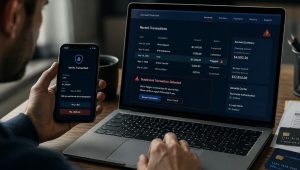
An LVIC charge is usually connected to insurance, but it can still be unauthorised if you did not set up the policy, do not know anyone who did, and cannot match the payment to your records.
Fraud Checks to Make:
- Ask joint account holders if they recognise the payment.
- Check whether any old LV= policy renewed automatically.
- Review emails and post for policy documents.
- Contact LV= to verify whether your details are linked to a policy.
- Contact your bank if the payment remains unexplained.
If you believe your bank details have been used without permission, report it to your bank immediately. They can advise on cancelling the Direct Debit, protecting your account and investigating the transaction.
How Can You Prevent Confusion with Future LVIC Bank Charges?
You can reduce confusion about future LVIC bank charges by keeping a simple record of your insurance policies, renewal dates, and monthly payment amounts. Organising this information makes it easier to recognise charges before they become concerning.
Helpful habits include:
- Saving policy documents in a labelled folder
- Recording renewal and payment dates
- Reviewing Direct Debits each month
- Keeping insurer contact details available
- Comparing payment amounts regularly
Future Payment Tracking Table:
| Action | Why It Helps |
| Save policy documents | Easier to match payments |
| Note renewal dates | Helps avoid surprise renewals |
| Review Direct Debits monthly | Spots old or unwanted payments |
| Keep insurer contact details | Speeds up verification |
| Compare payment amounts | Identifies premium changes |
Taking a few minutes to organise payment information can help avoid stress when unfamiliar bank statement descriptions appear.
Conclusion
In most UK cases, LVIC on bank statement entries refer to Liverpool Victoria Insurance Company, better known as LV=. The payment is usually an insurance Direct Debit for a policy such as car, home, pet, travel, life insurance or a monthly budget account.
If you recognise the policy, the charge is probably legitimate. If you do not recognise it, check your Direct Debits, search your policy documents, ask other account holders, and contact LV= through official channels.
If the payment is wrong or unauthorised, contact your bank and ask about the correct dispute or refund process.
The key is to verify before taking action. That protects you from cancelling genuine cover by mistake while still helping you respond quickly to incorrect or suspicious payments.
FAQs About LVIC on Bank Statement
Can LVIC appear under a slightly different name?
Yes. LVIC may appear as LV= Insurance, LV Insurance, LVIC Budget Acc, LVIC Ref, or a shortened version such as LV Insuranc. Banks often shorten company names because statement fields have limited space.
Why did LVIC take a higher amount than last month?
The amount may change after renewal, a policy adjustment, a missed payment correction, or a change in your monthly instalment plan. Check your renewal documents or contact LV= for a breakdown.
Does cancelling LVIC stop your insurance policy?
Cancelling the Direct Debit stops the payment instruction, but it may not properly cancel the policy. You should contact LV= to confirm cancellation terms and avoid missed payment issues.
Can LVIC be linked to a joint bank account?
Yes. A partner, spouse or other joint account holder may have set up an LV= policy using the shared account. Ask other account holders before reporting the payment as unknown.
What should you do if LVIC appears twice in one month?
Check whether one payment is an initial payment and the other is a regular instalment. If both look identical or unexpected, contact LV= and your bank to investigate a possible duplicate collection.
Is LVIC always a Direct Debit?
LVIC is commonly linked to Direct Debit insurance payments, but statement formats vary. Your bank can confirm whether the transaction was a Direct Debit, card payment or another payment type.
Can you claim a refund for an incorrect LVIC payment?
If the payment was taken in error by Direct Debit, you may be able to request a refund through your bank under the Direct Debit Guarantee. You should also contact LV= to correct the account records.