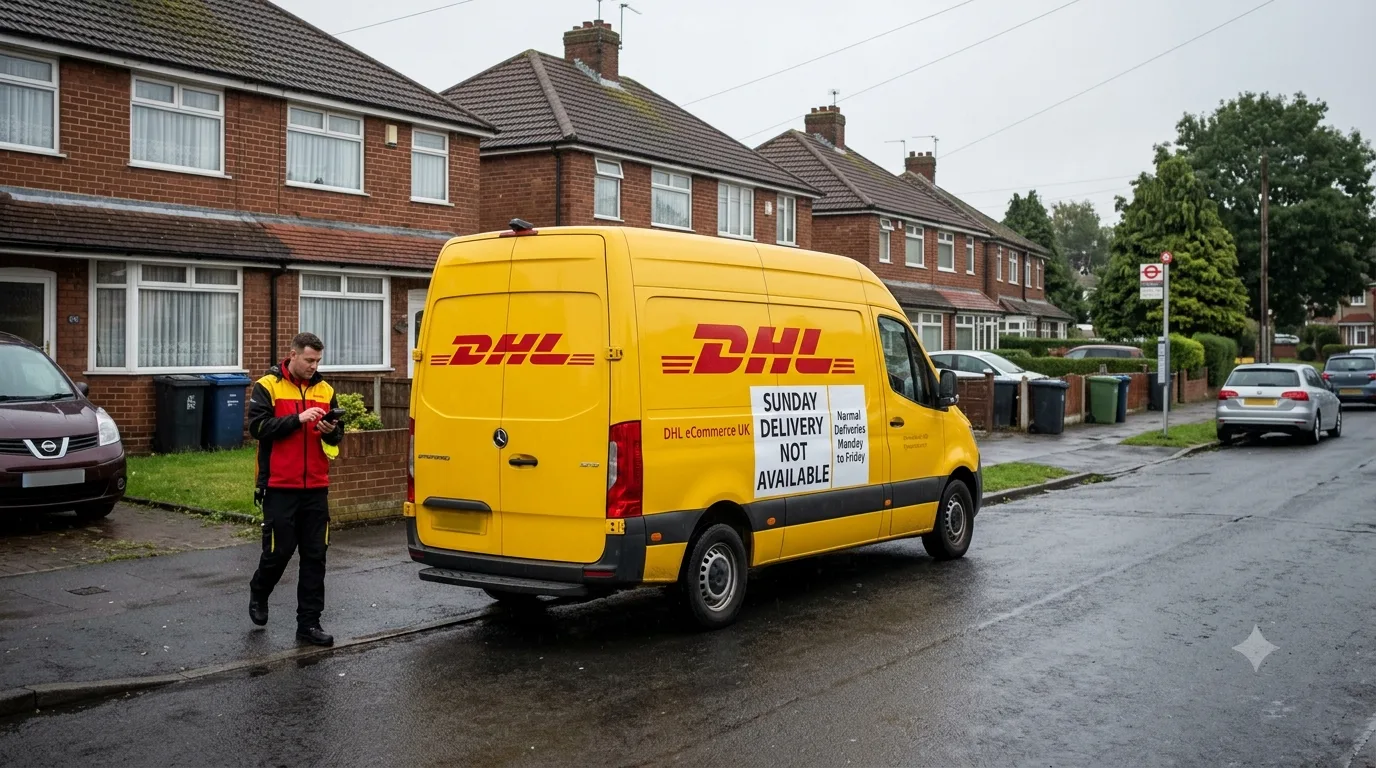


The surge in UK bank closures in May 2026 marks a significant shift in how financial services are delivered across the country.
With more than 50 branches shutting their doors, major banks including Santander, NatWest, Lloyds, and Halifax are accelerating a long-term transition towards digital banking.
While this reflects evolving customer behaviour, it also raises concerns about accessibility, particularly for vulnerable groups and communities reliant on in-person services.
Key highlights:
- Over 50 UK bank branches closing in May 2026
- Santander leading with the highest number of closures
- Increasing reliance on online and mobile banking platforms
- Growing concerns around financial inclusion and access to cash
This article provides a comprehensive breakdown of closures, affected areas, and what it means for customers moving forward.
Why Are UK Bank Branch Closures Increasing Rapidly in May 2026?
The rise in UK bank branch closures in May 2026 is not an isolated event but part of a broader transformation within the banking industry.
Over the past decade, financial institutions have steadily reduced their physical presence, driven by changing customer habits and operational efficiencies.
One of the most significant drivers is cost reduction. Maintaining physical branches requires substantial investment in staffing, infrastructure, and security.
As footfall continues to decline, banks are reassessing the viability of keeping branches open, particularly in areas with lower customer engagement.
Another key factor is the long-term trend highlighted by consumer groups. According to research, more than 6,000 bank branches have closed in the UK between 2015 and 2024, signalling a structural shift rather than a temporary adjustment.
“The current wave of closures is a continuation of a decade-long transformation where digital adoption has outpaced the need for physical banking infrastructure.” -A senior banking analyst
This ongoing shift suggests that May 2026 is part of a much larger pattern, not a standalone event.
How Are Digital Banking Trends Driving UK Bank Closures?
The rapid adoption of digital banking is one of the most influential forces behind UK bank closures in May 2026.
Customers are increasingly choosing mobile apps and online platforms over traditional in-branch services, fundamentally changing how banks operate.
Santander, for example, reported that 96% of customer transactions are now conducted digitally, highlighting the extent of this behavioural shift.
This level of digital engagement reduces the need for physical locations, especially in urban areas where digital access is widespread.
Modern banking apps allow users to:
- Transfer money instantly
- Manage accounts in real-time
- Apply for financial products without visiting a branch
While these innovations improve convenience, they also create a divide. Not all customers are equally comfortable or equipped to use digital tools, particularly older individuals or those without reliable internet access.
“Digital banking has enhanced efficiency and accessibility for many, but it has also unintentionally widened the gap for customers who rely on face-to-face interactions.” – A financial services executive
Ultimately, the growth of digital banking is both an opportunity and a challenge, reshaping the UK’s financial landscape.
Which Banks Are Closing Branches in the UK in May 2026?
Several major high street banks are contributing to the UK bank closures in May 2026, with closures spread across England, Wales, and Northern Ireland. The most affected institutions include Santander, NatWest, Lloyds, and Halifax.
Each bank is responding to similar pressures but at different scales. Santander leads the closures, followed by NatWest and Lloyds, while Halifax has a smaller number of branch shutdowns.
Overview of banks closing branches in May 2026:
| Bank | Number of Closures | Key Focus Areas | Notable Insight |
| Santander | 26 | Nationwide | Highest closures |
| NatWest | 14–15 | Urban & suburban areas | Strategic consolidation |
| Lloyds | 8 | London & South | Some relocations |
| Halifax | 3 | Limited locations | Minimal closures |
This distribution shows that closures are not limited to a single region or bank but represent a nationwide trend affecting multiple institutions simultaneously.
What Is the Full List of UK Bank Branch Closures?
The full list of UK bank closures in May 2026 highlights the widespread nature of these changes, affecting dozens of communities across the country. Below is a breakdown by bank, including key locations and closure dates.
Santander Branch Closures in May 2026 (Full List and Key Locations)
Santander is closing 26 branches across the UK, making it the most significant contributor to closures this month.
Locations include Andover, Bridgend, Cwmbran, Enniskillen, Gosport, Huntingdon, Macclesfield, and Stratford-upon-Avon, with closure dates ranging from 5 May to 20 May.
Selected Santander Closures:
| Location | Region | Closure Date |
| Andover | Hampshire | 12 May |
| Bridgend | Mid Glamorgan | 12 May |
| Gosport | Hampshire | 5 May |
| Macclesfield | Cheshire | 12 May |
| Stratford-upon-Avon | Warwickshire | 12 May |
These closures demonstrate Santander’s broad geographic reach, affecting both rural and urban communities.
NatWest Branch Closures in May 2026 (Full List and Dates)
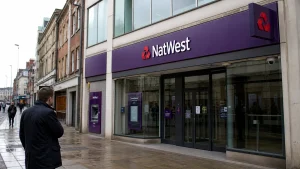
NatWest is closing around 15 branches, including locations such as Barnet, Brentwood, Harlow, Hartlepool, and Manchester. Most closures occur between 11 May and 28 May.
Selected NatWest Closures:
| Location | Region | Closure Date |
| Barnet | London | 11 May |
| Brentwood | Essex | 13 May |
| Harlow | Essex | 21 May |
| Manchester | Greater Manchester | 12 May |
| Orpington | Kent | 27 May |
A NatWest spokesperson stated:
“We carefully assess where and when we make the difficult decision to close a branch to minimise the impact on customers.”
This highlights a strategic, data-driven approach rather than abrupt decision-making.
Lloyds Bank Branch Closures in May 2026
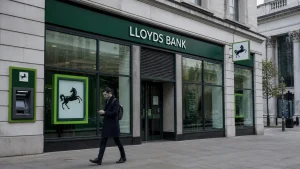
Lloyds Bank will close eight branches in May 2026, mainly across London and southern England. Most closures are scheduled between 18 and 28 May as part of its shift towards digital banking.
Closing locations include:
- Bournemouth
- Croydon (relocation)
- Falmouth
- Redhill
- Victoria Street (London)
- Oxford Street (London)
- Tottenham Court Road (London)
These changes aim to streamline services, but concerns remain for customers who rely on in-person banking.
Real-life customer example:
“I’ve been banking at my local Lloyds branch in Streatham for over 20 years,” says Margaret, a retired teacher. “Now that it’s closing, I’m worried about how I’ll manage things like cash withdrawals and speaking to someone face-to-face. Online banking feels confusing to me.”
This example illustrates the real-world impact on long-term customers who rely on in-person services.
Halifax Branch Closures in May 2026
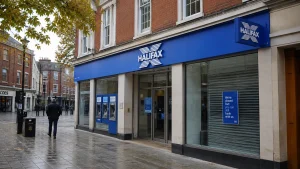
Halifax is closing three branches, including two in London and one in Skelmersdale. While smaller in scale, these closures still contribute to reduced access in key areas.
Halifax Closures:
| Location | Closure Date |
| London North | 27 May |
| London West | 28 May |
| Skelmersdale | 27 May |
Even limited closures can significantly impact local communities, particularly where alternative branches are not nearby.
Which UK Areas and Communities Are Most Impacted by Bank Closures?
The UK bank closures in May 2026 are affecting a diverse range of communities, but rural and semi-rural areas are particularly vulnerable.
These locations often rely heavily on a single branch, meaning closures can leave entire communities without direct access to banking services.
Urban areas are not immune either. While cities may have more digital access, the closure of central branches can still disrupt local economies and small businesses.
Impact by Area Type:
| Area Type | Level of Impact | Key Challenges |
| Rural | High | Limited alternatives |
| Semi-rural | High | Travel distance increases |
| Urban | Moderate | Overcrowded remaining branches |
A representative from Age UK highlighted:
“Older people living in rural and semi-rural areas are likely to be the hardest hit, particularly those not using online banking.”
This reinforces the uneven impact of closures across different regions.
What Challenges Do Customers Face After Local Bank Branch Closures?
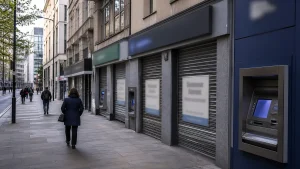
Customers face several challenges following UK bank closures in May 2026, especially those who rely on face-to-face banking. While digital services offer convenience, they do not fully replace in-branch support for many users.
Common issues include reduced access to cash, limited help for complex transactions like loans or fraud queries, and greater reliance on digital tools.
Small businesses may struggle with cash deposits and tailored advice. In some areas, customers must travel further to reach the nearest branch, increasing time and costs.
Digital exclusion is also a concern, particularly for older adults and those without reliable internet access, leaving some groups underserved.
What Can Customers Do If Their Local Bank Branch Is Closing?
There are several steps customers can take to adapt to these changes and maintain access to essential banking services:
- Locate the nearest alternative branch
- Use Post Office banking services for everyday transactions
- Explore banking hubs or mobile banking services in their area
Additionally, customers are encouraged to contact their bank directly to understand available support options, including help with transitioning to online banking or identifying nearby service points.
A real-life bank staff perspective highlights the human side of these closures:
“Working at a closing branch has been emotional,” says James, a bank employee in Manchester. “Customers come in daily asking what they’ll do next. We try to guide them towards digital options, but not everyone is comfortable with that shift.”
This perspective highlights both operational and emotional challenges during closures.
What Are the Best Alternatives to Bank Branches in the UK?
As UK bank closures in May 2026 continue, alternative banking solutions are becoming increasingly important. The most prominent options include Post Office services, banking hubs, and mobile banking units.
Banking Alternatives:
| Alternative | Key Features | Accessibility |
| Post Office | Cash withdrawals, deposits | Widely available |
| Banking Hubs | Shared banking services | Expanding |
| Mobile Banking | App-based transactions | High |
These alternatives help bridge the gap left by closures, though they may not fully replace in-branch experiences.
What Does the Future Hold for UK High Street Banking?

The future of high street banking in the UK is clearly shifting towards a hybrid model that combines digital convenience with limited physical presence. While closures are expected to continue, initiatives such as banking hubs and regulatory oversight aim to maintain accessibility.
Banks are also experimenting with new formats, including smaller service points and shared spaces. However, the long-term trajectory suggests fewer traditional branches and greater reliance on technology.
This evolution reflects broader societal changes, where efficiency and accessibility must be carefully balanced.
Conclusion
The UK bank closures in May 2026 represent a critical moment in the evolution of the country’s banking system. With over 50 branches shutting across multiple major banks, the shift towards digital services is undeniable.
While these changes bring efficiency and innovation, they also highlight the need for inclusive solutions that ensure all customers can access essential financial services.
As the banking landscape continues to evolve, the focus must remain on balancing progress with accessibility.
FAQs About UK Bank Closures in May 2026
Why are UK bank branches closing in May 2026?
Banks are closing branches due to increased digital banking usage, reduced footfall, and cost-saving measures.
Which bank is closing the most branches in the UK?
Santander is closing the highest number of branches in May 2026.
How can customers access banking services after closures?
Customers can use Post Offices, banking hubs, mobile banking units, or online services.
Are banking hubs a reliable alternative to bank branches?
Yes, they provide shared services, though availability is still expanding.
What options are available for elderly customers without digital access?
They can use Post Offices, banking hubs, or seek assistance from local support services.
Can small businesses still deposit cash after bank closures?
Yes, through Post Office services or banking hubs.
Will UK bank branch closures continue beyond 2026?
Yes, current trends indicate closures are likely to continue as digital banking grows.