
Starting a cleaning business in the UK can cost from approximately £300 for a basic domestic service to £15,000 or more for a commercial or specialist operation.
General domestic cleaning does not require formal qualifications, but you must register the business correctly, follow health and safety rules, arrange suitable insurance and comply with employment law if you hire staff.
The main steps are:
- Choose A Profitable Cleaning Niche
- Research Demand And Competitors In Your Area
- Decide Between Sole Trader And Limited Company
- Calculate Your Start-Up Costs And Prices
- Arrange Insurance And Complete Risk Assessments
- Buy Suitable Equipment And Cleaning Products
- Prepare Contracts And Service Checklists
- Market The Business And Secure Your First Clients
Last Updated: 07.09.2026
Is Starting A Cleaning Business Profitable?
A cleaning business can become profitable because it has relatively low entry costs and the potential to generate recurring revenue. Domestic customers may book weekly or fortnightly visits, while offices, shops and property managers commonly require ongoing contracts.
Profitability depends on more than the hourly price. Travel time, cleaning products, insurance, equipment maintenance, cancellations, administration and tax all reduce the amount the owner keeps.
A cleaner charging £20 per hour will not necessarily earn £20 per hour as profit. If the business spends an hour travelling and completing administration for every four billable hours, its effective hourly income will be considerably lower.
A profitable cleaning business normally has:
- Customers Located Within A Defined Service Area
- Repeat Bookings Rather Than Too Many One-Off Jobs
- Clear Minimum Booking Periods
- Prices That Cover Travel And Administration
- Reliable Payment Terms
- Standardised Cleaning Checklists
- Controlled Product And Equipment Costs
- A Process For Reviewing Prices Regularly
The wider UK cleaning, hygiene and waste sector contributes almost £72 billion to the economy. However, new businesses still face considerable local competition, so demand alone does not guarantee success.
Which Type Of Cleaning Business Should You Start?
The best cleaning model depends on your budget, experience, preferred working hours and local demand.
Domestic Cleaning
Domestic cleaners work in customers’ homes and usually provide regular dusting, vacuuming, mopping, kitchen cleaning and bathroom cleaning. It is one of the easiest models to start because only basic equipment may be required.
Trust is particularly important because cleaners often work alone and may be given keys or alarm codes. Regular customers can provide predictable income, although travel between properties reduces the number of billable hours available each day.
Commercial Cleaning
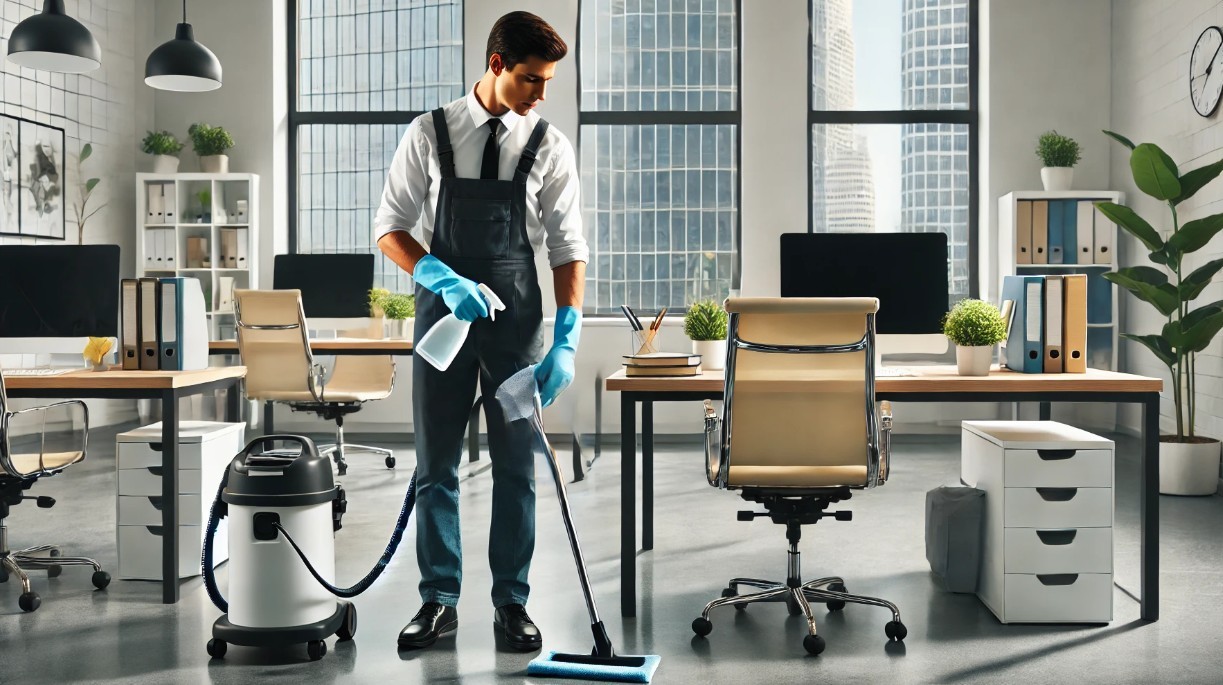
Commercial cleaning covers offices, shops, communal areas, warehouses and other business premises. Contracts are often more valuable than domestic bookings, but clients may expect cleaning outside normal working hours.
Commercial work can require additional staff, professional equipment, documented risk assessments and more formal service standards. Payment terms may also be longer, which means the business needs enough cash to pay wages and buy supplies before customer invoices are settled.
End-Of-Tenancy Cleaning
End-of-tenancy cleaning involves preparing a property for a new tenant or helping an outgoing tenant meet an agreed cleaning standard. Jobs may include kitchens, bathrooms, appliances, carpets and internal windows.
These bookings can command higher fixed prices, but they are usually more demanding than regular domestic cleans. The quotation must clearly state what is included and whether carpet cleaning, oven cleaning or rubbish removal costs extra.
Specialist Cleaning
Specialist services include carpet cleaning, window cleaning, oven cleaning, pressure washing, post-construction cleaning and biohazard cleaning. These services can support higher prices because they require particular equipment or expertise.
Some specialist work creates additional licensing, training, waste disposal or health and safety responsibilities. A business should confirm every requirement before advertising the service.
Cleaning Business Models Compared
| Cleaning Model | Typical Entry Cost | Repeat Revenue | Equipment Requirement | Main Consideration |
| Domestic Cleaning | £300 To £1,500 | High | Basic | Trust And Travel Time |
| End-Of-Tenancy Cleaning | £1,000 To £4,000 | Medium | Moderate | Accurate Fixed Pricing |
| Commercial Cleaning | £3,000 To £10,000 | High | Moderate To High | Staffing And Cash Flow |
| Carpet Cleaning | £2,000 To £8,000 | Medium | Specialist | Equipment And Training |
| Window Cleaning | £1,000 To £10,000 | High | Specialist | Working At Height |
| Biohazard Cleaning | £5,000 To £15,000 Or More | Variable | Specialist | Training And Waste Compliance |
These are planning estimates rather than fixed market prices. Starting costs will vary according to whether equipment is bought new, leased or already owned.
How Much Does It Cost To Start A Cleaning Business?
Low-Cost Domestic Cleaning Budget
A solo domestic cleaner may be able to begin with:
| Expense | Estimated Planning Cost |
| Cleaning Products And Cloths | £100 To £300 |
| Vacuum And Basic Equipment | £150 To £500 |
| Protective Equipment | £30 To £100 |
| Insurance | £80 To £400 |
| Website And Marketing | £50 To £500 |
| Uniform | £30 To £150 |
| DBS Check If Appropriate | Varies By Check |
| Transport | Depends On Existing Vehicle |
A new business can reduce costs by beginning with a limited service list and reinvesting profit into better equipment. However, it should not compromise on safety, insurance or product suitability.
Commercial Cleaning Budget
Commercial cleaners may need professional vacuums, trolleys, floor machines, warning signs, uniforms, bulk chemicals and secure storage. They may also need working capital to cover wages before invoices are paid.
A realistic budget should include:
- Equipment Purchase Or Leasing
- Employers’ Liability Insurance
- Public Liability Insurance
- Staff Recruitment And Training
- Payroll And Pension Costs
- Uniforms And Protective Equipment
- Transport And Fuel
- Product Storage
- Replacement Equipment
- Marketing And Tender Preparation
Specialist Cleaning Budget
Specialist services can require extraction machines, water-fed poles, pressure washers or specialist protective equipment. Training, maintenance and safe disposal costs must also be included.
Buying advanced equipment before testing demand can tie up cash unnecessarily. Renting or leasing may be appropriate when the business is still validating a specialist service.
How To Start A Cleaning Business Step By Step
1. Research Your Local Cleaning Market
Begin by identifying who already provides cleaning services in the target area. Review their services, pricing approach, customer reviews, service radius and availability.
Look for unmet needs such as:
- Evening Office Cleaning
- Eco-Conscious Domestic Cleaning
- Short-Notice End-Of-Tenancy Work
- Holiday-Let Changeovers
- Landlord And Property Manager Packages
- Carpet And Upholstery Cleaning
- Cleaning For Older Or Disabled Customers
A niche should be based on genuine demand rather than simply choosing a service with fewer visible competitors.
2. Choose Your Services And Target Customers
Define exactly what the business will and will not clean. A narrow initial service list makes pricing, equipment purchasing and staff training easier.
For example, a domestic package might cover kitchens, bathrooms, floors and dusting but exclude ovens, external windows, mould treatment and waste removal unless separately quoted.
3. Write A Cleaning Business Plan
A simple business plan should describe:
- Target Customers
- Services And Prices
- Service Area
- Start-Up Budget
- Monthly Operating Costs
- Marketing Channels
- Expected Bookings
- Break-Even Point
- Staffing Plans
- Risks And Contingency Measures
The plan does not need to be unnecessarily long. Its purpose is to test whether the proposed prices and customer numbers can produce a sustainable income.
4. Choose Between Sole Trader And Limited Company
A sole trader structure is usually simpler to operate. The owner controls the business but is personally responsible for its debts and liabilities.
A limited company is legally separate from its owner. It can provide limited liability, but it also creates additional accounting, filing and administrative duties.
A sole trader can still employ people and build a substantial cleaning business. Forming a company is not automatically more tax-efficient, so the decision should reflect expected profit, risk and growth plans.
5. Register Your Cleaning Business
A sole trader may need to register for Self Assessment with HMRC. The usual deadline is 5 October following the end of the tax year in which the person started trading when a return is required.
A limited company must be incorporated through Companies House. Online incorporation costs £100 in 2026, although other administrative and professional costs may also apply.
The business should also consider PAYE registration when employing staff and VAT registration if taxable turnover exceeds the applicable threshold.
6. Arrange Insurance And Required Licences
Public liability insurance is not generally compulsory, but it can protect against claims involving injuries or property damage. Many commercial customers require evidence of cover before awarding a contract.
Employers’ liability insurance is normally compulsory when the business employs staff. Other useful cover may include:
- Tools And Equipment Insurance
- Business Vehicle Insurance
- Treatment Risk Cover
- Fidelity Cover For Employee Theft
- Personal Accident Insurance
- Legal Expenses Cover
- Business Interruption Insurance
Window cleaners may need a local authority licence in parts of Scotland. Businesses transporting customers’ waste may also need waste carrier registration. Requirements differ across the UK, so the appropriate regulator should be checked.
7. Complete COSHH And Safety Assessments
Cleaning products can expose workers and customers to hazardous substances. Businesses should identify products that create risks and document how those risks will be controlled.
Safety arrangements should address:
- Chemical Storage And Labelling
- Product Dilution
- Ventilation
- Protective Gloves And Eyewear
- Dangerous Chemical Combinations
- Safety Data Sheets
- Wet Floors And Trip Hazards
- Manual Handling
- Electrical Equipment
- Working At Height
- Lone Working
- Sharps And Biological Hazards
Cleaners should never mix products unless the manufacturer clearly confirms that it is safe.
8. Buy Cleaning Equipment And Supplies
The equipment list should reflect the services being sold. A basic domestic kit may include:
- Microfibre Cloths
- Colour-Coded Cloths
- Mop And Bucket
- Vacuum Cleaner
- Scrubbing Brushes
- Sponges And Non-Scratch Pads
- Multipurpose Cleaner
- Bathroom Cleaner
- Degreaser
- Glass Cleaner
- Protective Gloves
- Refuse Bags
- Wet-Floor Sign
Colour-coded materials can reduce cross-contamination between kitchens, bathrooms and general areas. Equipment should be inspected, cleaned and replaced when it becomes worn or unsafe.
9. Set Your Prices And Payment Terms
Prices should cover labour, products, travel, equipment, insurance, administration, tax and profit. The business can charge hourly, by visit, by room, by square metre or through a recurring contract.
State whether the price includes products, parking, appliance cleaning and specialist equipment. Payment terms should explain when payment is due and what happens following late cancellation or non-payment.
10. Prepare Contracts And Service Checklists
Written terms protect both the cleaner and the customer. The agreement should identify:
- Tasks Included In The Service
- Tasks Excluded From The Service
- Price And Payment Date
- Cleaning Frequency
- Access And Key Arrangements
- Product Responsibility
- Cancellation Terms
- Breakage Reporting
- Re-Clean Policy
- Confidentiality
- Contract Termination
- Price Review Arrangements
Domestic customers booking by telephone, online or in their homes may have statutory cancellation rights. If they want work to begin during the cancellation period, the business should obtain the appropriate request and explain any proportionate charge that may apply.
11. Market Your Business And Find Clients
Create a Google Business Profile and publish accurate service, location and contact information. A basic website should explain what is included, the areas covered and how customers can request a quotation.
Other client acquisition methods include:
- Local Community Groups
- Property Manager Partnerships
- Letting Agent Introductions
- Printed Flyers
- Customer Referral Incentives
- Local Networking
- Social Media
- Commercial Email Outreach
- Approved Contractor Lists
Avoid making unsupported claims about sanitisation or guaranteed removal of stains. Honest service descriptions build stronger customer relationships.
12. Review Performance And Plan For Growth
Track the profit from each customer rather than focusing only on revenue. A distant customer paying a higher hourly rate may be less profitable than several nearby customers on the same street.
Monitor:
- Billable Hours
- Travel Time
- Product Cost
- Customer Acquisition Cost
- Repeat Booking Rate
- Late Payments
- Complaints
- Re-Cleans
- Staff Absence
- Monthly Profit
Cleaning Business Legal Requirements In 2026
| Requirement | When It May Apply |
| Self Assessment Registration | When A Sole Trader Needs To File A Tax Return |
| Companies House Registration | When Forming A Limited Company |
| Employers’ Liability Insurance | When Employing Staff, Subject To Limited Exceptions |
| COSHH Controls | When Hazardous Substances Are Used At Work |
| Waste Carrier Registration | When Transporting Qualifying Waste |
| Window Cleaner Licence | Where Required By A Scottish Local Authority |
| PAYE Registration | When Payroll Conditions Require It |
| VAT Registration | When Taxable Turnover Exceeds £90,000 |
| DBS Check | When Requested Or Appropriate For An Eligible Role |
| Data Protection Compliance | When Handling Customer Or Employee Personal Information |
Businesses operating in healthcare, education, food production or other controlled environments may face additional contractual and regulatory standards.
How To Price Cleaning Services Profitably?
A practical pricing calculation is:
Labour + Employer Costs + Products + Travel + Equipment + Administration + Contingency + Profit
Domestic Cleaning Price Example
Assume a three-hour domestic clean has the following costs:
| Cost | Amount |
| Labour Or Owner’s Target Pay | £45 |
| Travel | £7 |
| Products | £4 |
| Insurance And Administration Allocation | £5 |
| Profit And Contingency | £9 |
| Suggested Customer Price | £70 |
The resulting charge is approximately £23.33 per billable hour. This does not mean the owner earns that amount after every expense.
End-Of-Tenancy Price Example
A fixed-price quotation could include:
- Twelve Labour Hours At £20 Recovery Per Hour
- £25 For Products
- £20 For Travel
- £45 For Equipment
- £35 For Contingency
- £70 For Profit
The quotation would be approximately £435. The final amount should reflect property size, condition and included services.
Commercial Contract Price Example
A small office requiring 15 cleaning hours per week may need around 65 hours per month. The quotation should account for wages, employer costs, supervision, supplies, travel, absence cover and administration.
Commercial cleaners should also consider whether the quoted price includes consumables such as soap, toilet tissue and refuse sacks.
What Insurance Does A Cleaning Business Need?
The right policy depends on the work performed. Public liability and employers’ liability are the most commonly discussed forms of cover, but specialist services may need protection for damage caused by treatments or machinery.
When obtaining quotes, describe every service accurately. A policy for general domestic cleaning may not cover pressure washing, high-level window cleaning or biohazard work automatically.
Do Cleaners Need Qualifications, Training Or DBS Checks?
No formal qualification is normally required for general domestic cleaning. Training can still improve safety, consistency and credibility.
Useful subjects include:
- COSHH Awareness
- Manual Handling
- Infection Control
- Working At Height
- Equipment Operation
- Lone-Worker Safety
- Customer Service
- Safeguarding
A DBS check is not compulsory for every cleaner. A basic check can help demonstrate trustworthiness, while standard or enhanced checks are only available when the role meets the eligibility rules. Since January 2026, eligible self-employed workers can apply for enhanced checks through an approved umbrella body.
How To Get Your First Cleaning Clients?
Start with a defined service area and a clear offer. Ask early customers for honest reviews and referrals after completing the work successfully.
Introductory discounts can attract bookings, but avoid setting a price that creates an unrealistic long-term expectation. A modest first-clean discount or referral reward is usually easier to manage than offering free work.
How To Win Commercial Cleaning Contracts?
Commercial clients normally expect a professional site assessment and written quotation. Inspect the premises before committing to a fixed price.
The quotation should include:
- Areas To Be Cleaned
- Cleaning Frequency
- Estimated Labour Hours
- Daily, Weekly And Periodic Tasks
- Consumables
- Specialist Equipment
- Quality Inspection Process
- Insurance Details
- Payment Terms
- Contract Review Date
Do not accept an unprofitable contract simply to increase revenue. Underestimating labour hours can turn a large client into a continuing financial loss.
Managing Keys, Alarms And Customer Information
Keys should never be labelled with a customer’s full name or address. Use an anonymous code and store the matching customer details separately.
Create procedures for:
- Collecting And Returning Keys
- Recording Key Holders
- Protecting Alarm Codes
- Reporting Lost Keys
- Controlling Staff Access
- Deleting Former Customer Information
- Handling Security Incidents
Customer details, photographs and access information should only be collected when necessary and stored securely.
Tax, VAT And Bookkeeping For A Cleaning Business
Keep accurate records of income and allowable expenses, including products, insurance, equipment, business mileage, advertising and professional fees.
The VAT registration threshold is £90,000 of taxable turnover in a rolling 12-month period. Voluntary registration is possible below this level, but charging VAT may affect price-sensitive domestic customers.
Making Tax Digital for Income Tax began applying to qualifying sole traders with income above £50,000 from April 2026. The threshold is scheduled to extend to those above £30,000 from April 2027 and above £20,000 from April 2028.
Hiring Cleaners And Meeting Employer Responsibilities
Before hiring, calculate the total employment cost rather than looking only at the hourly wage. From April 2026, workers aged 21 and over must generally receive at least £12.71 per hour.
Employer responsibilities can include:
- Checking The Right To Work
- Providing Written Employment Terms
- Operating PAYE
- Paying At Least The Applicable Minimum Wage
- Providing Paid Holiday
- Managing Statutory Sick Pay
- Assessing Workplace Pension Eligibility
- Arranging Employers’ Liability Insurance
- Providing Equipment And Training
- Recording Working Time
- Managing Health And Safety
Calling someone self-employed does not determine their employment status. The actual working arrangement must support that classification.
30-Day Cleaning Business Launch Plan
| Period | Main Actions |
| Days 1 To 5 | Choose The Service, Customer And Location |
| Days 6 To 10 | Research Competitors And Calculate Prices |
| Days 11 To 15 | Register The Business And Arrange Insurance |
| Days 16 To 20 | Buy Equipment And Prepare Safety Documents |
| Days 21 To 25 | Publish Marketing Material And Contact Prospects |
| Days 26 To 30 | Complete Trial Jobs, Collect Feedback And Refine Prices |
Conclusion
Starting a cleaning business can provide a low-cost route into self-employment, but success depends on more than purchasing supplies and finding customers. The owner must price every service accurately, understand legal responsibilities and create reliable operational systems.
Beginning with a focused service area and a manageable number of customers can help control costs. As demand grows, documented procedures, trained staff and carefully priced contracts can turn a solo service into a sustainable cleaning company.
Frequently Asked Questions
Can I Start A Cleaning Business With No Money?
You may be able to begin with equipment supplied by domestic customers, but insurance, transport, protective equipment and marketing can still create costs.
Do I Need A Licence To Start A Cleaning Business?
General domestic cleaning does not normally require a licence. Particular activities, locations and waste-handling arrangements may create licensing or registration requirements.
How Much Should A Self-Employed Cleaner Charge?
The appropriate rate depends on location, service, travel, expenses and experience. Calculate the full cost of delivering the job before setting an hourly or fixed price.
Do Cleaners Need COSHH Training?
Formal training is not compulsory for every cleaner, but businesses must manage risks from hazardous substances. COSHH training can help owners and employees use products safely.
Does A Self-Employed Cleaner Need A DBS Check?
A DBS check is not automatically required for domestic cleaning. Customers or organisations may request one, and the available level depends on the role’s eligibility.
Can A Sole Trader Employ Other Cleaners?
Yes. A sole trader can employ staff but must comply with payroll, insurance, wage, pension and employment requirements.
Do Cleaning Businesses Need Waste Carrier Registration?
Registration may be required when the business transports waste belonging to customers. The exact requirement depends on the waste, activity and part of the UK in which the business operates.