

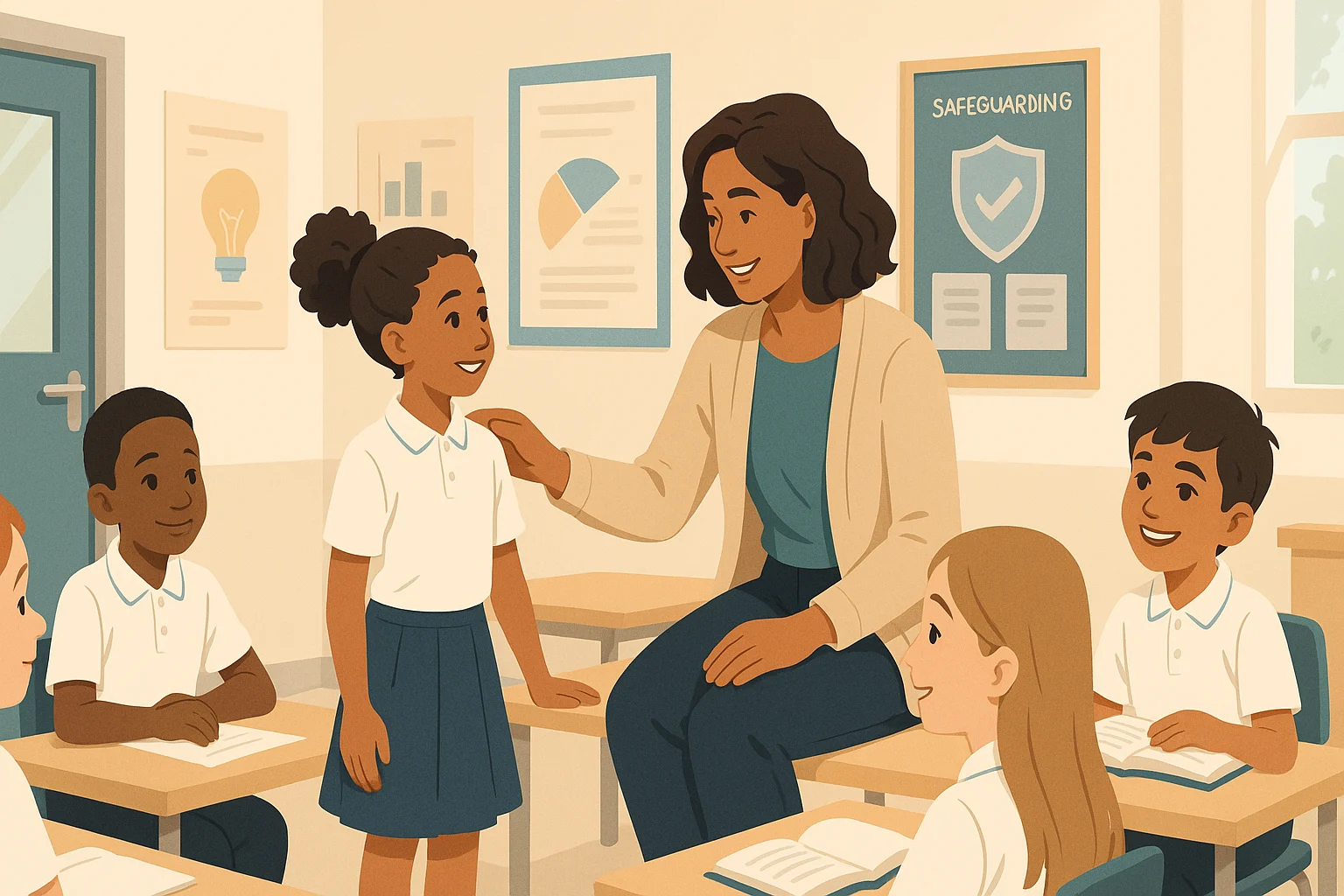
What Makes Safeguarding and Child Protection Different in Schools?
When it comes to keeping children safe in schools, two terms frequently come into play: safeguarding and child protection. Are they the same? How do they differ in practice? And why is understanding this distinction essential for teachers, school leaders, and education professionals?
Both safeguarding and child protection aim to ensure children’s safety and well-being. However, while safeguarding focuses on preventing harm, child protection is about responding to harm or risk. Schools in the UK are legally and ethically responsible for both, and misinterpreting or mismanaging either can have serious consequences for children and the institution.
This blog explores their definitions, objectives, practical applications, and how schools can build effective systems to manage both confidently.
What Is Safeguarding in Schools and Why Is It Important?

Safeguarding is a comprehensive and proactive approach designed to ensure the welfare, health and safety of all children in a school environment. It is not limited to identifying abuse or neglect but instead encompasses everything a school does to prevent harm and create a supportive, secure atmosphere where children can learn and thrive.
The concept goes beyond physical safety it includes emotional, mental, and digital well-being, along with creating inclusive environments that promote respect, trust, and openness.
How Do Schools Implement Safeguarding?
Schools embed safeguarding in their daily operations, ethos, and policies. This includes:
- Creating physically safe environments by securing access points and conducting risk assessments
- Educating pupils about online safety, respectful relationships, and recognising harmful behaviour
- Ensuring staff recruitment involves background checks and proper vetting
- Providing training for all staff to recognise early signs of abuse, neglect, or other risks
- Encouraging open communication between pupils and trusted adults
These measures work collectively to prevent problems before they arise, making safeguarding a preventative framework.
What Is Child Protection and When Does It Come Into Play?
While safeguarding is about general well-being and prevention, child protection is a specific response to a particular concern. It is the part of safeguarding that deals with situations where a child is suffering or likely to suffer significant harm.
Child protection involves recognising signs of abuse whether physical, emotional, sexual, or through neglect, and taking prompt, appropriate action to intervene and protect the child.
This reactive process is legally bound by several key pieces of legislation, such as the Children Act 1989, Children Act 2004, and Keeping Children Safe in Education (KCSIE). Schools have a statutory duty to follow strict procedures whenever a child protection concern is raised.
What Are Real-Life Examples of Child Protection in Schools?
Examples of child protection include:
- A teacher notices repeated bruises or fearful behaviour and reports it to the Designated Safeguarding Lead (DSL)
- A student confides that they are being neglected at home
- A pupil’s unexplained absences and concerning behaviour prompt a referral to children’s social care
- Staff follow internal protocols to escalate concerns, initiate safeguarding conferences, or develop a child protection plan
Child protection is therefore responsive and specific, unlike safeguarding which is continuous and applies to all pupils.
How Do Safeguarding and Child Protection Differ in Purpose and Application?
The two concepts are closely linked, yet distinct. The table below outlines the primary differences between safeguarding and child protection in school settings.
| Aspect | Safeguarding | Child Protection |
| Definition | A broad, proactive approach to keeping all children safe and well | A specific process is triggered when a child is at risk or suffering harm |
| Scope | Covers all children in a school environment | Applies only to children identified as being at risk |
| Timing | Ongoing and preventative | Activated in response to a specific concern |
| Examples in Schools | Secure buildings, online safety lessons, and staff DBS checks | Reporting abuse, liaising with social services, and developing protection plans |
| Key Personnel Involved | All staff, DSLs, and senior leadership | DSLs, external agencies (social care, police), parents |
| Legal Frameworks | KCSIE, Working Together to Safeguard Children, Children Act | Same as safeguarding, but specifically Section 47 of the Children Act |
While safeguarding is implemented as a standard school function, child protection is an escalated response when safeguarding fails or a new threat arises.
Why Do Schools Need to Clearly Differentiate Between These Two Concepts?
Understanding the difference is not just helpful, it’s essential. Ofsted inspections, safeguarding audits, and even legal proceedings require clarity on how a school separates and manages safeguarding and child protection.
How Can Misunderstanding Impact Schools?
- Staff may hesitate or delay reporting signs of abuse, mistaking them as low-risk safeguarding concerns
- Schools might overlook the need for external referrals and keep serious matters internal
- Recordkeeping and documentation could lack the specificity needed for child protection procedures
- Failure to act appropriately may result in harm to a child, reputational damage, or legal consequences
Being able to recognise the shift from general safeguarding to urgent child protection allows schools to intervene early, appropriately, and effectively.
What Are the Core Responsibilities of Schools Regarding Safeguarding?

Schools are legally bound to promote the welfare of all pupils. This responsibility includes creating a safe environment, educating children about risks, and ensuring that policies and training are regularly reviewed and updated.
Key Components of School Safeguarding:
- Establishing and reviewing safeguarding and child protection policies annually
- Assigning trained DSLs and deputy DSLs
- Conducting regular safeguarding training and refresher sessions for all staff
- Maintaining records of concerns, disclosures, and actions taken
- Working in partnership with parents, carers, and external agencies
These duties help schools build a preventative system that reduces the likelihood of harm occurring.
When Should Child Protection Procedures Be Activated in a School?
Child protection procedures are initiated when a child is believed to be at risk of or experiencing abuse. These procedures are guided by law and must be followed meticulously.
What Triggers a Child Protection Response?
- A student makes a disclosure about being harmed
- Observable signs such as bruises, extreme hunger, fearfulness, or inappropriate sexual behaviour
- Third-party concerns from a parent, another student, or an external visitor
- Online activity suggesting exploitation or grooming
Once a concern is raised, staff must immediately inform the DSL, who assesses the situation and decides on the next steps. This might involve:
- Gathering more information
- Contacting parents or carers if appropriate
- Making a referral to children’s social care
- Coordinating with multi-agency partners
- Supporting the child through in-school measures or formal protection plans
Every minute counts in a child protection case, and clarity of action is essential.
How Do Safeguarding and Child Protection Work Together in a School Environment?
Although different in purpose and process, safeguarding and child protection are interdependent. A strong safeguarding culture helps to identify risks early, while a responsive child protection system ensures those risks are addressed effectively.
In practical terms:
- Safeguarding creates a safe space that encourages disclosure
- Child protection provides the legal and procedural response when a disclosure or concern is made
- Safeguarding policies incorporate child protection protocols
- Staff training includes both preventative awareness and reactive actions
By working together, these systems reduce risk, respond to danger, and protect vulnerable pupils.
How Can Schools Strengthen Their Safeguarding and Child Protection Practices?
The foundation of effective safeguarding and child protection lies in consistent practice, ongoing education, and collaboration.
Practical Steps for Schools
- Regular Training: All staff must be trained to recognise both subtle and overt signs of abuse, and to understand when and how to escalate concerns.
- Policy Clarity: Safeguarding and child protection policies must be clear, accessible, and distinct within the school’s overall safeguarding framework.
- Parental Involvement: Educating parents about digital safety, bullying, and mental health builds a safety net that extends beyond the school gates.
- Monitoring & Evaluation: Schools should conduct internal audits and respond to feedback from inspections, safeguarding reviews, or incidents.
Furthermore, schools should remain updated with guidance from Keeping Children Safe in Education, as well as local safeguarding boards and Ofsted recommendations.
FAQs
What should staff do if they are unsure whether an issue is safeguarding or child protection?
All concerns should be shared with the Designated Safeguarding Lead. It’s better to over-report than risk missing a serious issue. The DSL will assess the severity and decide the appropriate course of action.
Is it possible for a child to be under a child protection plan without previous safeguarding concerns?
Yes. Some abuse or harm situations emerge suddenly without earlier indicators. That’s why vigilant safeguarding is critical, it allows early detection but also prepares schools for immediate child protection if needed.
Do all school staff need to be trained in child protection?
Yes. While DSLs manage most child protection cases, every staff member should know how to identify and report concerns appropriately.
Are safeguarding and child protection both covered in Ofsted inspections?
Yes. Ofsted assesses how effectively a school meets its safeguarding duties and responds to child protection issues. Poor safeguarding practices can impact inspection outcomes.
Can child protection procedures be kept internal to the school?
No. Serious child protection concerns must involve external agencies like children’s social care. Schools cannot manage these issues alone.
What’s the role of a child protection plan?
A child protection plan outlines how a multi-agency team will work together to keep the child safe, support their well-being, and monitor progress.
How often should safeguarding and child protection policies be updated?
Annually, or sooner if there are changes in legislation, guidance, or after a serious incident.