
Logistics startups operate in a high-pressure environment. Customers expect fast delivery, real-time updates, and consistent service. Larger competitors already have infrastructure, networks, and brand recognition.
To compete, startups need to rely on speed, system design, and operational precision. Success comes from building efficient processes early and scaling them without losing control.
Focus on Operational Efficiency First
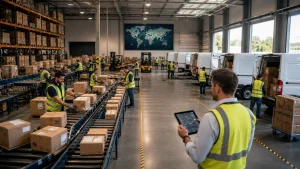
Marketing alone will not sustain a logistics startup. Operations determine whether the business can deliver on its promises.
Efficiency reduces cost per delivery and improves service quality. Both are critical in a market where margins are tight.
Start by mapping out core workflows such as order intake, dispatching, and delivery completion. Identify where delays or errors occur.
Areas to Optimize Early
- Route planning and delivery sequencing
- Dispatch coordination and job assignment
- Communication between drivers and operations
Small improvements in these areas compound quickly.
Use Technology to Compete With Larger Players
Startups cannot match the scale of large logistics companies, but they can outperform them in flexibility.
Technology allows smaller teams to operate with precision. Systems that automate dispatching, tracking, and communication reduce manual workload.
Tools like courier dispatch software help startups manage deliveries more efficiently. They optimize routes, assign jobs dynamically, and provide real-time visibility.
This levels the playing field by allowing startups to deliver faster and more reliably.
Build a Scalable Delivery Network
Scaling too quickly without structure leads to breakdowns. Startups need to build networks that can expand without losing efficiency. This includes driver management, geographic coverage, and workload distribution.
Avoid overloading individual drivers or regions. Balance capacity based on demand. A scalable network allows the business to grow without sacrificing service quality.
Prioritize Real-Time Visibility
Customers expect to know where their deliveries are at all times. Lack of visibility leads to frustration and support requests. Real-time tracking solves this. It provides updates to both customers and internal teams.
Visibility also improves internal decision-making. Dispatchers can adjust routes and respond to delays immediately. This reduces uncertainty and improves overall performance.
Improve Customer Communication
Communication is a competitive advantage in logistics. Clear updates reduce missed deliveries and improve customer trust.
Automated notifications, accurate delivery windows, and quick responses to issues all contribute to better experience.
Communication Practices That Work
- Send real-time updates on delivery status
- Provide accurate estimated arrival times
- Notify customers of delays before they occur
Strong communication reduces friction and increases retention.
Optimize Cost Without Sacrificing Quality
Cost control is critical, but cutting corners reduces service quality. The goal is to optimize, not minimize. Focus on reducing inefficiencies such as unnecessary travel, idle time, and manual processes.
Use data to identify where costs are highest and adjust operations accordingly. Efficient systems lower cost while maintaining or improving service levels.
Use Data to Drive Decisions
Logistics operations generate valuable data. This includes delivery times, route efficiency, and customer feedback. Analyzing this data helps identify patterns and areas for improvement.
Key Metrics to Track
- Cost per delivery
- Average delivery time
- First-attempt success rate
These metrics provide insight into performance and guide operational changes.
Invest in Reliable Equipment and Tools

Technology is not limited to software. Hardware also plays a role in efficiency. Drivers and dispatch teams rely on devices to manage routes, communicate, and track deliveries.
Reliable systems, including well-configured devices such as a dependable computer, ensure that operations run without interruption. Hardware failures or slow systems can create delays that impact the entire delivery chain.
Differentiate Through Service Quality
Startups cannot always compete on price alone. Service quality becomes a key differentiator. This includes speed, reliability, and overall customer experience.
Delivering consistently builds trust and encourages repeat business. Over time, strong service quality becomes a competitive advantage that larger companies may struggle to match.
Stay Flexible and Adapt Quickly
The logistics market changes quickly. Demand patterns shift, and customer expectations evolve. Startups have an advantage in adaptability. They can adjust processes faster than larger organizations.
Regularly review operations and make changes based on performance data. Flexibility allows startups to respond to challenges and opportunities more effectively.
Final Take
Competing in a fast-paced logistics market requires more than scale. It requires efficient systems, real-time visibility, and strong execution.
Startups that focus on operational efficiency, leverage technology, and maintain flexibility can compete effectively against larger players.
The goal is to build systems that support growth while maintaining performance. When operations are structured and data-driven, startups can scale without losing control.