No, you generally cannot earn money just by passively scrolling TikTok. Claims that promise instant cash for watching videos are usually misleading or linked to schemes that profit from user attention rather than paying it.
Real earnings connected to TikTok require active effort, such as creating content, reviewing products, or completing defined tasks through legitimate programmes.
Key takeaways for readers
- TikTok does not pay users simply for watching videos
- Most get paid to scroll apps that redirect users to ads, games, or data collection
- Genuine income comes from content creation, reviews, or structured research work
- UK users should focus on verified programmes with transparent rules
This article examines what the evidence shows and separates genuine opportunities from viral myths.
Why Are People Claiming You Can Get Paid Just for Scrolling TikTok?
Claims about getting paid to scroll TikTok have grown rapidly due to viral advertising and short form promotional videos that frame scrolling as a paid task.
These claims often appear as sponsored posts that look like job listings or side hustle tips, which immediately capture attention because scrolling is already a daily habit for many users. The idea feels believable because TikTok is a major advertising platform and users assume some revenue sharing must exist for viewers.
Another reason these claims spread is the use of familiar branding. Ads frequently copy TikTok visuals, colours, and language to imply an official connection.
This creates trust, even when no real partnership exists. In reality, these promotions rely on curiosity and financial pressure, especially during periods when people are actively searching for flexible income.
Social media algorithms also play a role. Once a user interacts with one video about earning money from TikTok, similar content floods their feed.
This repetition creates the illusion that many people are already earning, even when the evidence is weak. As a result, the claim becomes socially reinforced despite lacking factual support. The promise of easy money, combined with minimal effort, makes these messages highly shareable.
What Do These “Get Paid to Scroll” Apps Really Offer?
Apps that promise payment for scrolling TikTok rarely pay for watching videos directly. Instead, they redirect users toward activities that generate revenue for the app owner rather than the user. After sign up, the experience usually changes quickly and expectations are reset without clear explanation.
Common patterns reported across reviews and investigations include:
- Users are being redirected to mobile games instead of TikTok
- Rewards tied to reaching high levels in games within short time frames
- Extremely small payouts that take weeks to accumulate
- Cash-out thresholds that are difficult to reach
In many cases, the scrolling message is only a hook. The actual business model is built around advertising views, affiliate installs, and in app purchases. The app earns when users watch ads or spend money in games, while users receive small points or tokens.
Some platforms also encourage referrals, rewarding users for inviting friends rather than completing tasks. This structure shifts focus away from scrolling and toward recruitment.
Importantly, these apps are not owned or endorsed by TikTok. Their terms often state that rewards can change at any time, which leaves users with little protection if payouts stop.
Is TikTok Itself Paying Users for Watching Videos?
TikTok does not operate a system where users earn money simply by watching videos. However, the platform does run official reward and creator programmes that are sometimes misunderstood as viewer payments. These programmes are transparent and clearly described inside the app, but they require active participation.
TikTok primarily pays creators rather than viewers. Payments are based on video performance, originality, and engagement. In some regions, TikTok also tests limited reward campaigns where users earn small incentives for completing tasks such as referrals or participation in features.
The table below clarifies the difference between official TikTok programmes and viral claims:
| Programme type | Who gets paid | What is required | Availability |
| Creator Rewards Programme | Content creators | Original videos over one minute | UK eligible |
| Live gifts and subscriptions | Streamers | Live interaction with viewers | UK eligible |
| Viewer reward campaigns | General users | Specific tasks and referrals | Limited regions |
| Passive watching claims | Viewers | Only scrolling | Not official |
These distinctions matter because TikTok communicates clearly when payments are available. If an offer is not visible inside the official app, it is unlikely to be legitimate.
What Are the Legitimate Ways to Earn Money on TikTok?

While passive scrolling does not generate income, there are structured and legitimate ways to earn money through TikTok when users actively contribute value. These methods are well-documented and supported by TikTok or established third-party platforms.
TikTok Creator Rewards Programme
This programme rewards creators for producing original, high-quality videos that exceed one minute in length. Payments are linked to qualified views and audience engagement.
Creators must meet eligibility requirements related to age, account standing, and follower count. This is one of the most direct ways TikTok pays users in the UK.
Brand Deals and Influencer Marketing
Brands partner with creators to promote products or services to specific audiences. Payments depend on niche, reach, and engagement rather than follower numbers alone. Many UK creators earn through long-term partnerships rather than one-off posts.
Live Gifts and Subscriptions
During live streams, viewers can send virtual gifts purchased with real money. Creators can also offer paid subscriptions that unlock exclusive content. These earnings depend heavily on community trust and consistency.
Flip App Product Reviews
Some users earn through apps like Flip by purchasing products, reviewing them, and receiving rewards based on views. This requires effort, clear disclosure, and adherence to platform rules.
How Much Can UK Creators Earn Through These Methods?
Earnings vary widely across the UK market. Small creators may earn modest monthly amounts, while established creators can generate full time income. Creator Rewards payments often range from a few pounds to several hundred pounds per month, depending on views.
Brand deals can range from tens to thousands of pounds per campaign. Importantly, all these methods require planning, creativity, and sustained effort rather than passive consumption.
Is It Really Possible to Earn Money Just for Scrolling TikTok?
Evidence from investigations, user reports, and expert analysis consistently shows that earning money purely from scrolling TikTok is not realistic. Apps that promote this idea typically shift users into other activities once installed. The scrolling promise functions as a marketing message rather than an actual task.
TikTok generates revenue from advertising and commerce, but it does not share that revenue with viewers simply for watching content. Advertisers pay for exposure, not for viewer compensation. As a result, there is no financial incentive for TikTok or third-party apps to reward passive consumption.
Some users may receive small payouts from external apps, but these earnings usually come from watching ads, playing games, or sharing personal data. When time spent is compared to money earned, returns are extremely low.
In many cases, users never reach the minimum payout threshold. The conclusion remains consistent. Passive scrolling alone does not create income, and offers suggesting otherwise should be treated with caution.
Are There Any Real Jobs That Involve Watching TikToks?
There are limited professional roles that involve analysing TikTok content, but these are structured jobs rather than casual scrolling. Marketing agencies, research firms, and influencer networks sometimes hire individuals to study trends, hashtags, and audience behaviour. These roles are clearly defined and time-bound.
For example, some agencies have paid selected participants to analyse TikTok trends for a fixed number of hours. Payments can reach significant amounts, but these opportunities are competitive and not publicly advertised as get paid to scroll schemes. Participants are expected to deliver insights, reports, or recommendations.
These roles require analytical skills and often prior experience with digital marketing or social media research. They are not open-ended income streams and do not involve mindless browsing. Understanding this distinction helps prevent confusion between legitimate research work and misleading app promotions.
What Risks Are Involved with These “Get Paid to Scroll” Schemes?
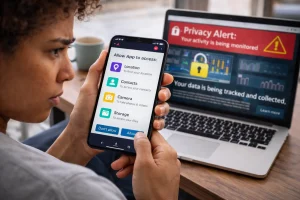
Using apps that promise money for scrolling carries several risks that extend beyond wasted time. One of the most significant concerns is data collection. Many of these platforms request extensive permissions and track user behaviour across apps.
Common risks include:
- Collection of personal and demographic data
- Tracking of app usage and spending habits
- Exposure to aggressive advertising
- Difficulty deleting accounts or data
The table below summarises key risk areas:
| Risk type | Description | Potential impact |
| Data privacy | Extensive tracking and data sharing | Loss of personal control |
| Financial | In app purchases encouraged | Unexpected spending |
| Time cost | Low returns for high effort | Opportunity loss |
| Security | Weak data protection | Breaches or misuse |
Privacy experts warn that data collected through these apps can be sold or used to refine advertising profiles. While payouts are small, the long-term value of user data is much higher.
How Can Users Spot Fake “Earn from Scrolling” Apps?
Identifying misleading apps requires careful evaluation before downloading or signing up. Fake or exaggerated offers often share similar warning signs that users can learn to recognise.
Key indicators include unrealistic earnings claims, vague explanations of how money is made, and heavy emphasis on referrals. Apps that avoid clear payout rules or change conditions frequently should raise concern.
The table below highlights common red flags and what they indicate:
| Red flag | What it suggests |
| High hourly earnings claims | Exaggerated marketing |
| No clear business model | Hidden revenue sources |
| Referral-focused rewards | Recruitment over value |
| Poor reviews or complaints | Consistent user issues |
Checking independent reviews, reading privacy policies, and searching community discussions can help users make informed decisions. Legitimate platforms explain exactly how earnings work and do not rely on hype.
So, What Should You Do If You Want to Earn from TikTok?

Users who want to earn from TikTok should focus on methods that are transparent and supported by evidence. Building income on TikTok is possible, but it requires effort, creativity, and patience.
Practical steps include learning basic content creation skills, choosing a clear niche, and understanding TikTok analytics. Engaging with official programmes inside the app provides more security than relying on external offers.
The table below compares productive actions with risky shortcuts:
| Approach | Outcome |
| Content creation | Sustainable potential income |
| Brand partnerships | Higher but variable earnings |
| Official reward programmes | Clear rules and limits |
| Get paid to scroll apps | High risk and low return |
By prioritising skills and verified opportunities, users protect their time and data while improving their chances of earning.
Conclusion
The question can you actually earn money from scrolling on TikTok has a clear answer. In most cases, no. Passive scrolling does not generate income, and apps that promise otherwise usually benefit from ads, games, or data collection rather than paying users fairly. That does not mean earning through TikTok is impossible.
Legitimate options exist through content creation, brand work, product reviews, and structured research roles. These methods are transparent and require active participation.
For UK users, the safest approach is to focus on official programmes and avoid offers that sound too easy. Understanding how money is really made on TikTok helps users avoid disappointment and make informed decisions.
FAQs
Can you actually earn money from scrolling on TikTok?
In most cases, no. TikTok does not pay users simply for watching videos.
Are get paid to scroll TikTok app scams?
Many are misleading and exaggerate earnings. They often redirect users to ads or games instead of paying for scrolling.
Does TikTok itself pay users to watch videos?
TikTok pays creators and runs limited reward campaigns. It does not pay viewers for passive watching.
Is it safe to use apps that promise money for scrolling?
Some apps pose privacy and security risks. Many collect extensive personal data.
What are legitimate ways to earn on TikTok?
Creating content, brand deals, live gifts, and product review platforms are legitimate options.
Are trend research jobs real?
Yes, but they are structured roles with clear expectations and limited availability.
What should UK users focus on to earn from TikTok?
They should focus on skills, official programmes, and transparent earning models.