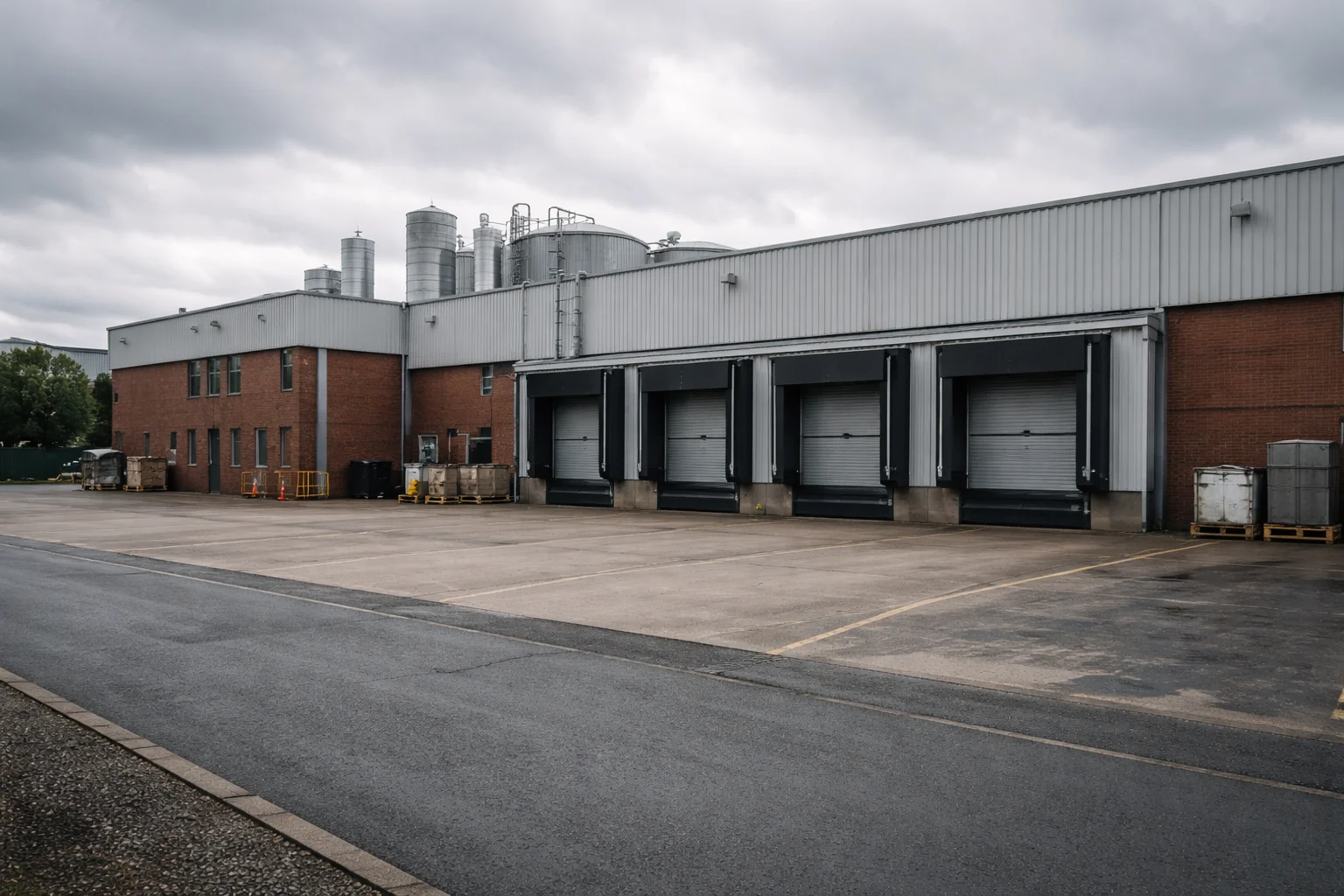
In January 2026, Morrisons confirmed a decision that has significant implications for the British grocery and food‑manufacturing sectors: the closure of the century‑old Rathbones Bakery facility in Wakefield, West Yorkshire.
The supermarket giant’s announcement, which places 115 jobs at risk of redundancy, represents both a corporate restructuring response to ongoing financial challenges and the end of an iconic bakery brand on supermarket shelves.
I’ve followed the developments closely because this story is about far more than a factory shutdown, it’s about workers, communities, local economies and the evolving realities of the UK food supply chain.
Why Is Morrisons Shutting Down Rathbones Bakery Now?
The decision to close Rathbones Bakery, a site long synonymous with traditional British baking, is the result of persistent financial losses and an inability to return the facility to profitability despite multiple turnaround efforts.
Morrisons originally considered closing the 28,000‑square‑foot facility in late 2024, as part of a broader review of loss‑making operations. At that time, bosses opted to downsize and restructure the business, hoping a leaner model centred on higher‑margin products could succeed.
However, after more than a year of trading under the revised plan, the business continued to make significant losses.
A Morrisons spokesperson said:
“Regrettably, having thoroughly reviewed all alternatives, we can no longer see a way back to breakeven and have taken the difficult decision to close the remaining facility.”
This marks the second major closure threat in under two years. Last time, the site narrowly avoided permanent closure and stayed operational on a reduced scale. But persistent financial headwinds, including inflationary pressures, higher costs and declining volumes, meant the recovery ultimately did not materialise as hoped.
What Did the Bakery Produce and How Did That Change?
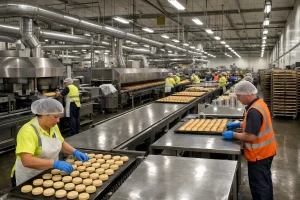
In its final years, the Wakefield site no longer made the classic sliced white bread many shoppers would recognise. Instead, Morrisons and its manufacturing arm, Myton Food Group, pivoted to specialty bakery lines.
These included:
- Pita bread
- Crumpets
- Pancakes
- Rolls
- Other wrapped speciality products
This shift reflected a strategic attempt to focus on higher‑value items believed to be more profitable than commodity bread.
Despite this change in product mix and projections that the operation could break even by 2027, the plan did not deliver the financial turnaround Morrisons needed.
“Tremendous efforts” to expand output and find new markets were mentioned by Morrisons, but sales volumes and profitability remained well below expectations.
Long‑standing customers of these products have said they will miss seeing favourites on shelves, especially given the bakery’s legacy presence in stores across the UK.
How Many Jobs Are at Risk, and What Support Is Being Offered?
At the heart of this story are the people who worked at the Wakefield facility. Around 115 employees have been informed that their roles are at risk of redundancy following the closure announcement.
Morrisons has begun the formal consultation process required under UK employment law and insists it will support affected colleagues where possible.
In a statement, the company said it would work to:
- Identify other suitable roles within the Myton Food Group
- Offer support and guidance on transition opportunities
A spokesperson emphasised the company’s commitment to its workforce:
“We are fully committed to doing everything we can to help all those affected, including identifying any other suitable roles available elsewhere in the Myton Group.”
For many workers, the news has been difficult. One employee, who asked not to be named, summed up the mood:
“I’ve spent over a decade here. This place isn’t just a workplace, it’s part of who we are as a community. We’re proud of what we’ve baked, and hearing this now feels like losing a bit of history.”
Local residents have also expressed concern about the closure’s broader impact, worrying about reduced footfall for nearby service firms and suppliers, and the knock‑on effects in a community still recovering from broader economic pressures.
Will Morrisons’ In‑Store Bakeries Be Affected?
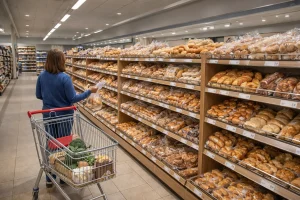
It’s important to clarify what this closure means for everyday shoppers. Morrisons has said that the in‑store bakery counters where fresh bread, rolls and pastries are sold will not be affected by the Wakefield site’s shutdown.
These counters operate separately and often rely on different supply arrangements, including support from other bakeries or external suppliers. As a result, most customers are unlikely to notice major changes on shelves or in store aisles.
Behind the scenes, though, production and supply routes will be adjusted as the Wakefield site winds down. Some products previously made at Rathbones Bakery will be made elsewhere or sourced from specialist partners, ensuring continuity of supply.
Why Does This Closure Matter for Investors and the Grocery Sector?
At a time when the UK grocery sector faces intense competition, particularly from discount retailers, Morrisons is also making strategic moves outside of manufacturing.
Alongside the closure announcement, the supermarket confirmed it is cutting prices on more than 2,500 products, covering everything from fresh produce to kitchen staples. Pricing director Alex Paver emphasised that the move was designed to help shoppers at a time when the cost of living is still a major concern:
“At Morrisons, we believe great quality should be affordable for everyone… so customers can trust they’re getting real value every time they shop with us.”
For investors, the closure of a loss‑making manufacturing site is a tactical effort to reduce fixed costs and support margin sustainability as price competition intensifies.
What remains to be seen is whether cost savings from such closures, coupled with across‑the‑board price cuts, will strengthen Morrisons’ competitive position without eroding profitability.
Key indicators to watch include:
- Customer footfall and loyalty retention
- Fill rates and supply continuity
- Waste and logistics efficiencies
What Does the Closure Mean for Wakefield and the Local Economy?
The loss of a long‑standing employer is never without consequence. In Wakefield, skilled bakery jobs have been part of the local economy for generations. The closure is likely to have short‑term impacts on families and smaller service businesses that relied on the facility’s operations.
However, there is cautious optimism among some local business owners that the labour skills and experience in the area could be absorbed into related sectors or new ventures.
For example, one Wakefield café owner said:
“We’re saddened by the news, but there’s talent here. If workers bring that experience into independent bakeries or food startups, there could be new opportunities. It’s about resilience now.”
Such comments reflect a community determined to adapt, even in the face of disappointing economic developments.
What Happens Next With the Rathbones Facility?
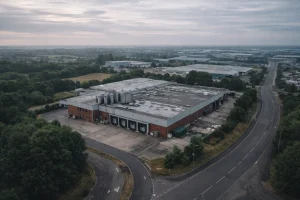
Morrisons has not yet announced a final decision on the 28,000‑square‑foot Wakefield site’s future use.
Options on the table include:
- Selling the property to a third party
- Repurposing it for other manufacturing uses
- Redeveloping the site for alternative commercial purposes
These decisions will unfold as consultation processes continue and broader planning considerations are assessed.
Conclusion: A Tough but Strategic Shift
The Rathbones Bakery Morrisons closure marks the end of an era for a historic British bakery brand and highlights the complex realities of modern food manufacturing in the UK.
While everyday customers should continue to find bakery items in stores, the loss of the Wakefield manufacturing hub represents a significant shift in how supermarket‑linked production is organised.
For workers, the closure brings uncertainty and change. For Morrisons, it forms part of a larger balancing act between cost control and competitive pricing.
And for investors and the grocery sector, it signals how traditional manufacturing models must evolve in response to changing market dynamics and economic pressures.
Only time will tell how supply chains are adjusted and what long‑term impact this will have on the wider sector. But one thing is clear: this closure is not just about bricks, ovens and bread, it’s about people, strategy and the future of UK food retail.
Frequently Asked Questions
What exactly is closing?
Morrisons is closing its Rathbones Bakery manufacturing site in Wakefield, risking around 115 jobs.
Will Morrisons still sell bakery products?
Yes. In‑store bakeries and other supply mechanisms will keep bakery ranges available.
Why couldn’t the bakery turn a profit?
Despite switching to specialty products and restructuring, the business continued to make losses due to challenging market conditions and lower volumes.
Was this the first closure attempt?
No. A partial closure was proposed in 2024 but later scaled back. The current closure is the definitive plan.
How long has Rathbones been operating?
Rathbones dates back to 1893 and was acquired by Morrisons in 2005.
Will the Wakefield site be used for something else?
Morrisons is still considering options, including sale or repurposing.
What support is offered to affected staff?
Morrisons is consulting and exploring redeployment opportunities within its wider manufacturing group.