

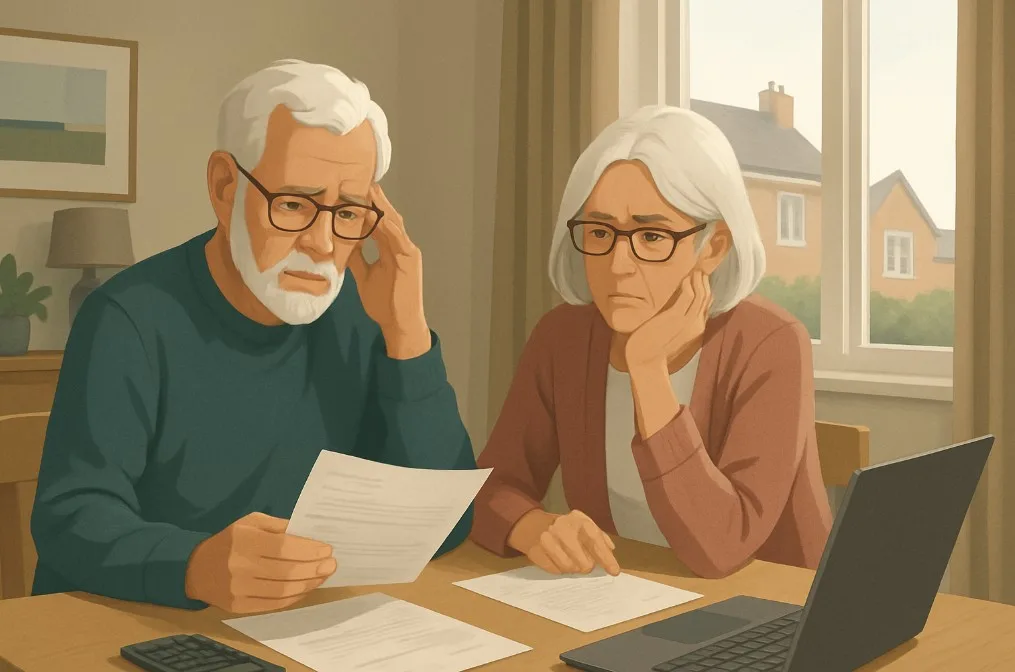
As of August 2026, there is no specific new “pensioners tax” introduced by Rachel Reeves. However, several tax decisions now have a direct or indirect impact on retirees.
The most important is the continued freeze in the Personal Allowance at £12,570, which Budget 2025 extended through the 2030/31 tax year. This means more pension income can become taxable as State Pension payments rise.
The full new State Pension increased by 4.8% in April 2026 to £241.30 a week, equivalent to £12,547.60 over 52 weeks. That puts the headline annual rate only £22.40 below the standard Personal Allowance.
Meanwhile, higher dividend tax rates already apply, savings and property income tax changes are coming in April 2027, and most unused pension funds will enter the Inheritance Tax system from April 2027.
Was the Proposed National Insurance-to-Income Tax Switch Introduced?
The Resolution Foundation proposed in September 2025 that employee National Insurance should fall by 2 percentage points while Income Tax rates increased by 2 percentage points.
It estimated that the switch could raise around £6 billion annually, largely because pensioners, landlords and some self-employed people pay Income Tax without paying employee National Insurance.
However, this proposal was not adopted in Budget 2025. Rachel Reeves did not increase the headline rates of Income Tax or employee National Insurance.
Instead, the government chose other revenue-raising measures, including extending frozen Income Tax thresholds, increasing tax on dividends, savings and property income, and introducing changes affecting inherited pension wealth.
The distinction is important because the existing article currently presents the Resolution Foundation’s 2p switch as though it could still become the central pensioner tax change. It should now be described as a 2025 think-tank proposal that was not implemented.
Why Does the Personal Allowance Freeze Still Matter to Pensioners?
The Personal Allowance remains £12,570 in 2026/27, but the freeze no longer ends in 2028. Budget 2025 extended the freeze for another three years, meaning the £12,570 Personal Allowance is scheduled to remain unchanged through the 2030/31 tax year.
At the same time, the full new State Pension rose by 4.8% in April 2026 to £241.30 per week, with a headline 52-week equivalent of £12,547.60. That leaves very little room below the standard Personal Allowance for people receiving the full new State Pension before other taxable pension or employment income is considered.
The State Pension itself is taxable income, although tax is not deducted before it is paid. HMRC combines State Pension entitlement with other taxable income and applies the individual’s available allowances.
Consequently, even a relatively small workplace pension or other taxable income can push a retiree above the tax-free threshold. This is fiscal drag in practice. Pension payments can rise while the tax-free threshold remains fixed, gradually bringing more retirement income into the Income Tax system without an increase in the main headline Income Tax rates.
What Tax Changes Now Affect Pensioners in 2026 and 2027?
The focus should now move away from speculative taxes and towards measures that have actually been announced or legislated.
From 6 April 2026, the ordinary dividend tax rate increased from 8.75% to 10.75%, while the upper rate increased from 33.75% to 35.75%. The additional dividend rate remains 39.35%. These changes can affect retirees who hold dividend-paying investments outside tax-free wrappers such as ISAs.
From 6 April 2027, savings income tax rates are set to become 22%, 42% and 47% for basic, higher and additional-rate taxpayers respectively.
Separate property income rates of 22%, 42% and 47% will also apply in England, Wales and Northern Ireland, while Scotland operates under devolved Income Tax arrangements. Existing savings allowances continue to provide protection for some savers.
Another current issue is the Winter Fuel Payment charge. Pensioners whose individual total income is above £35,000 generally have the full value of their payment recovered through the tax system, subject to the rules and exemptions.
How Will Inheritance Tax on Unused Pensions Change From April 2027?

One of the most significant confirmed changes to pension taxation concerns what happens to unused pension wealth after death. From 6 April 2027, most unused pension funds and pension death benefits will be included when calculating the value of a deceased person’s estate for Inheritance Tax purposes.
This is no longer merely a proposal. The reforms were legislated through the Finance Act 2026, which received Royal Assent on 18 March 2026.
Personal representatives will generally be responsible for reporting and paying any Inheritance Tax due. Death-in-service benefits from registered pension schemes and certain other benefits are excluded.
HMRC estimates that, among estates containing inheritable pension wealth in 2027/28, around 10,500 estates could become liable for Inheritance Tax when they otherwise would not have been, while around 38,500 could pay more tax. Most estates are still expected to have no Inheritance Tax liability.
How Might Pensioners Cope with Higher Tax Liabilities?
If Reeves follows the Resolution Foundation’s advice, pensioners could see their disposable incomes shrink. Yet there are strategies to reduce the impact. Retirees may benefit from making full use of allowances such as the Marriage Allowance or Blind Person’s Allowance.
Income from ISAs remains tax-free, so shifting savings into these vehicles can protect returns. Those with private pensions can also plan withdrawals carefully to stay below higher thresholds.
Professional advice can be valuable, particularly for those with multiple income sources. Financial planners can help pensioners balance withdrawals, savings, and investments in ways that minimise tax liability. While not all retirees will be in a position to make major adjustments, proactive planning can ease the strain.
How Do the Confirmed Pensioner Tax Changes Compare?
To understand the impact more clearly, it helps to compare scenarios under the existing system and one in which Reeves adopts the Resolution Foundation’s recommendations.
| Tax Area | 2026/27 Position | From 2027/28 | What It Means for Pensioners |
|---|---|---|---|
| Personal Allowance | £12,570 | £12,570 | Threshold remains frozen and is scheduled to stay frozen through 2030/31 |
| Full New State Pension | £241.30 per week | 2027/28 rate not yet formally set | Rising pension payments leave less room below the Personal Allowance |
| Dividend Tax | 10.75% ordinary, 35.75% upper, 39.35% additional | Same unless subsequently changed | Retirees with taxable dividends may pay more |
| Savings Income | Current savings rates remain 20%, 40% and 45% above relevant allowances | 22%, 42% and 47% | Taxable savings interest can face higher rates |
| Property Income | Existing rules apply | New 22%, 42% and 47% rates in England, Wales and Northern Ireland | Retired landlords may face higher tax |
| Unused Pension Funds at Death | Existing pre-April-2027 IHT treatment | Most unused funds enter the estate for IHT | Some estates could face additional Inheritance Tax |
The key point is that there has been no general 2 percentage point Income Tax increase for pensioners. Instead, the government has targeted frozen thresholds, income from certain assets and inherited pension wealth.
What Does the Future Hold for Pensioners Under Reeves’ Tax Plans?
The position in 2026 is now clearer than when these pension tax proposals were first discussed. Rachel Reeves did not introduce the Resolution Foundation’s proposed 2p Income Tax increase.
Instead, pensioners face a combination of frozen tax thresholds and targeted changes affecting dividends, savings, property income, Winter Fuel Payments and inherited pension wealth.
For 2026/27, the full new State Pension stands at £241.30 per week while the standard Personal Allowance remains £12,570. The continued threshold freeze through 2030/31 means fiscal drag is likely to remain an important issue as pensions and other retirement income rise.
There is also an important development for 2027/28. The government has said that people whose sole income is the basic or new State Pension without increments should not have to pay small amounts of tax through Simple Assessment if the State Pension exceeds the Personal Allowance.
Detailed implementation arrangements are still being developed, so this should not be described as a general tax exemption for all pensioners.
Frequently Asked Questions
Has Rachel Reeves Introduced a New Pensioners Tax?
No. There is no single tax officially called a pensioners tax, although several confirmed tax measures now affect retirement income and pension wealth.
What Is the Full New State Pension in 2026/27?
The full new State Pension is £241.30 per week, following a 4.8% increase from April 2026.
What Is the Personal Allowance for Pensioners in 2026/27?
The standard Personal Allowance is £12,570. It is scheduled to remain frozen at that level through the 2030/31 tax year.
Did Rachel Reeves Introduce the 2p Income Tax Rise Suggested by the Resolution Foundation?
No. The Resolution Foundation proposed the switch in 2025, but Budget 2025 did not adopt it and headline Income Tax and employee NI rates were not increased.
Are Savings and Property Taxes Increasing for Pensioners?
From April 2027, savings tax rates will rise to 22%, 42% and 47%, with separate property income rates of 22%, 42% and 47% applying in England, Wales and Northern Ireland.
Will Unused Pension Funds Be Subject to Inheritance Tax?
From 6 April 2027, most unused pension funds and pension death benefits will be included in estates for Inheritance Tax purposes, although important exemptions remain.
Do Higher-Income Pensioners Have to Repay the Winter Fuel Payment?
Generally, yes. If an individual’s total income is over £35,000, HMRC will recover the full Winter Fuel Payment through the tax system, subject to applicable exemptions.