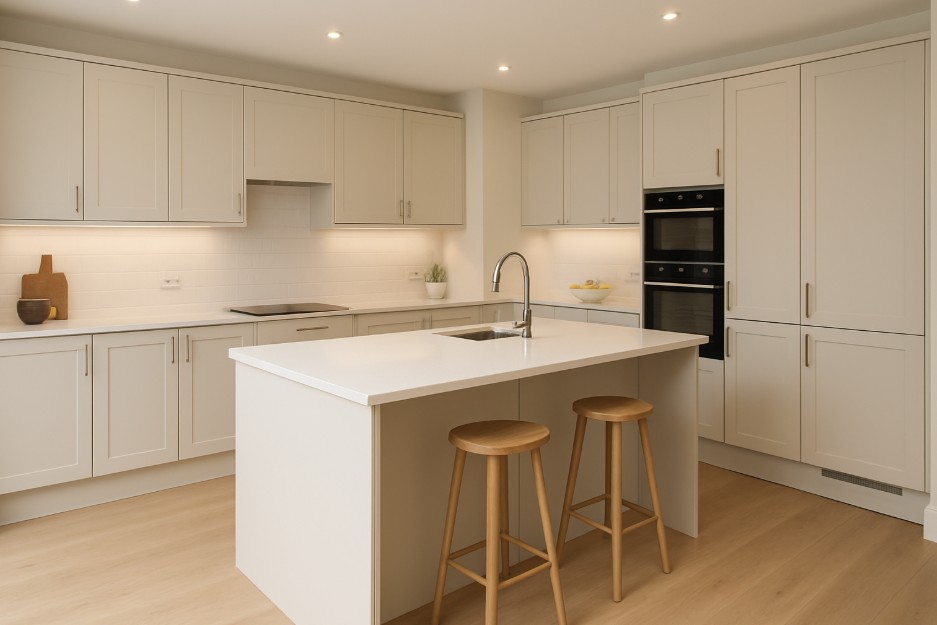
Are you considering a kitchen renovation and wondering just how much you should budget for it? It’s a question that many UK homeowners face when looking to enhance the functionality and aesthetic of their home.
According to Checkatrade and other major trade platforms, the average cost of a new kitchen in the UK typically ranges between £5,000 and £15,000.
However, this figure can shift significantly depending on the scale of the renovation, the quality of materials chosen, and whether structural changes or professional installations are required.
Home improvement experts generally advise that a full kitchen remodel should account for no more than 5% to 10% of your property’s market value.
For example, if your home is worth £300,000, a sensible kitchen renovation budget would fall between £15,000 and £30,000. Staying within this range ensures that your investment aligns with the value of your home and increases your return if you decide to sell.
A recent national survey of homeowners revealed typical spending patterns on specific kitchen items. The results show how costs can quickly add up when accounting for cabinetry, worktops, appliances, and additional features like smart gadgets or lighting.
Whether you are planning a small upgrade or a complete overhaul, understanding the costs involved is key to making informed and financially sound decisions.
What Is the Average Cost of a Kitchen Renovation in the UK?

The cost of a kitchen renovation in the UK is determined by a combination of factors, including the size of the space, the extent of the work being carried out, and the materials and fixtures selected.
While some homeowners opt to replace a few cabinets or appliances, others pursue a comprehensive redesign that can transform the layout and introduce high-end finishes.
National Average Costs
At the lower end of the market, a modest kitchen remodel might cost around £3,000 to £8,000. This would typically include pre-assembled cabinets, laminate worktops, vinyl flooring, and standard appliances.
In contrast, a mid-range kitchen often falls between £8,000 and £15,000 and includes improved materials, integrated appliances, and possibly some reconfiguration of the layout.
For luxury or bespoke kitchens, costs can exceed £30,000, especially when using premium materials, custom cabinetry, and designer fittings.
Breakdown by Property Type and Floor Size
To provide a clearer picture, below is a breakdown of kitchen costs based on typical UK property types and their average kitchen sizes:
| House Type | Floor Size (m²) | Estimated Number of Units | Cost Range |
| Terraced House | 8 | 8 | £5,000 – £10,000 (Standard) |
| Semi-Detached House | 15 | 12 | £8,000 – £15,000 (Mid-Range) |
| Detached House | 24 | 16 | £15,000 – £30,000+ (Luxury) |
These prices typically include the removal of the existing kitchen, installation of new units and fittings, wall and floor tiling, and basic decoration. However, they can vary further based on whether the kitchen is being supplied from a high-street DIY store or crafted as a bespoke solution.
Average Spend on Individual Kitchen Elements
An in-depth survey of UK homeowners found that the following averages represent typical spending across key kitchen components:
| Kitchen Component | Average Spend (£) |
| Kitchen Island | £5,276 |
| Kitchen Cabinets | £4,477 |
| Worktops | £2,985 |
| Flooring | £2,653 |
| Appliances | £1,553 |
| Smart Gadgets | £1,188 |
| Dining Table and Chairs | £1,111 |
| Splashback | £681 |
| Lighting | £569 |
These figures give insight into how expenses are distributed and help homeowners identify where the bulk of their renovation budget may be allocated.
Standard vs Bespoke Kitchens
The difference between a standard and bespoke kitchen is significant, not only in terms of cost but also in the finish, longevity, and overall look. Standard kitchens are usually sourced from retail stores such as IKEA, B&Q, or Wickes. They include off-the-shelf units, basic appliances, vinyl floors, and tiled splashbacks.
Bespoke kitchens, on the other hand, are tailor-made to suit your specific layout and aesthetic requirements.
They often feature granite splashbacks, premium cabinetry, tiled floors, and integrated high-end appliances. Installation for bespoke kitchens is typically more labour-intensive and therefore more costly.
| Kitchen Type | Features | Estimated Price Range |
| Standard | Flat-pack or assembled units, basic finish | £5,000 – £15,000 |
| Bespoke | Custom-built units, granite/tiled surfaces | £15,000 – £30,000+ |
How Homeowners Typically Allocate Their Kitchen Budget?
According to Magnet Kitchens and other trade professionals, kitchen renovation budgets are usually allocated in the following way:
- Cabinets: 35%
- Labour and installation: 20%
- Appliances: 15%
- Other expenses (flooring, plumbing, tiling, lighting): 30%
Understanding this breakdown is useful when creating your budget, as it highlights the areas where you might choose to save or spend more depending on your priorities.
Labour and Installation Considerations
If you’re hiring professionals for the entire installation, labour can account for approximately 20% to 30% of the total kitchen cost.
Bespoke installations tend to be more expensive due to the precision required. Interestingly, some flat-pack ranges can cost more to install than factory-assembled units because of the time and complexity involved.
Josh Whitley of Brooks Kitchens and Joinery Services notes that poor installation is one of the most common sources of long-term kitchen issues.
Misaligned doors, poorly sealed worktops, and cheap hinges can result in serious durability problems. It’s often wiser to invest in experienced local fitters rather than opting for branded installation services, which may carry a premium.
To minimise costs, it’s recommended that homeowners obtain quotes from at least three independent, vetted tradespeople before choosing an installer.
Kitchen Island Costs
A kitchen island can be both a practical and stylish addition, providing extra workspace and storage. The cost varies depending on complexity. A simple cabinet island may be relatively affordable, but adding plumbing, electrics, or integrated appliances will raise the cost significantly.
| Island Type | Estimated Dimensions | Additional Features | Impact on Budget |
| Cabinet Island | 1,000 x 2,000 mm | No plumbing or appliances | Moderate cost |
| Appliance Island with Sink and Plumbing | 1,000 x 2,000 mm | Mains water connection required | Significantly higher |
If budget is a constraint, consider freestanding islands or repurposed carts, which offer versatility and savings without compromising function.
Worktop Pricing Based on Material
Worktops are another significant factor in overall kitchen cost. Your choice of material will influence not only the price but also the maintenance requirements and durability.
| Material | Standard Quality (Installed) | Good Quality (Installed) | Notes |
| Plastic Laminate | Affordable | Slightly higher | Budget-friendly, easy to maintain |
| Solid Oak | Medium | High | Visually appealing, requires frequent care |
| Granite | High | Premium | Durable and elegant, high initial investment |
What Factors Influence the Cost of a New Kitchen?
When planning a kitchen renovation, it’s important to understand the many elements that contribute to the overall cost.
While materials and layout play an obvious role, less apparent factors like electrical work or site preparation can significantly affect your final budget. Knowing these variables can help you avoid unexpected expenses and manage your renovation more efficiently.
Size and Layout of the Kitchen
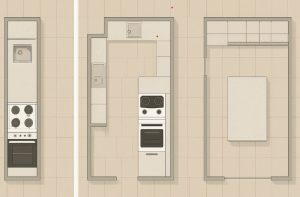
The size of your kitchen is one of the most influential factors in determining cost. A small galley kitchen in a terraced home will naturally cost less to renovate than a spacious open-plan kitchen diner in a detached property.
This is not just due to the number of units required, but also because of the labour involved in fitting, plumbing, electrical wiring, and flooring.
Additionally, if you’re altering the layout of your kitchen, such as moving the sink, oven, or changing wall placements, this will require additional structural work, plumbing, and potentially rewiring, all of which increase the cost substantially.
Materials and Finishes
The quality of the materials you choose has a major impact on cost. For example, MDF cabinets with laminate doors are significantly cheaper than solid wood or hand-painted hardwood options.
Similarly, worktops range widely in price depending on whether you opt for budget-friendly laminate, classic wood, or premium granite or quartz.
Cabinet hardware, door styles, finishes, splashbacks, tiles, and even the paint used for final decoration all add up. Choosing luxury finishes will elevate both the look and cost of your kitchen.
Appliances and Smart Technology
Basic kitchen appliances such as ovens, hobs, and dishwashers can be included in your renovation for around £1,500–£2,000. However, if you opt for high-end brands or integrate smart technology, like Wi-Fi-connected ovens, touchless taps, or intelligent lighting systems, costs will rise.
Smart gadgets have grown in popularity, and a typical modern kitchen now includes smart lighting, sensor taps, or integrated assistants like Alexa and Google Home. While adding convenience and a modern touch, they can add another £1,000 or more to your total.
Labour Costs and Installation
As mentioned earlier, labour generally accounts for 20% to 30% of a kitchen’s total renovation budget. These costs can rise depending on the complexity of the job, geographic location, and whether specialist skills (such as gas-safe engineering or electrical certification) are required.
More intricate bespoke kitchens demand longer installation times and often higher hourly rates. Some flat-pack kitchen installations can also be surprisingly labour-intensive, and may end up costing more than pre-assembled alternatives.
Here’s a breakdown of average labour contributions:
| Service | Contribution to Total Cost (%) |
| Cabinet Fitting | 15%–20% |
| Electrical & Plumbing | 5%–10% |
| Tiling & Flooring | 5%–10% |
Hiring a reputable tradesperson is crucial. Poor-quality installation can result in misaligned cabinets, uneven surfaces, or long-term water damage due to poorly sealed worktops.
Structural and Utility Work
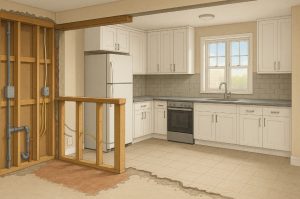
If your renovation includes knocking down walls, adding extensions, or repositioning plumbing or gas lines, you’ll need to account for building work. This could involve hiring a structural engineer or gaining planning permission, both of which add time and expense.
Electrical upgrades, such as new circuits, LED lighting, or underfloor heating, also increase costs. In older properties, the existing electrics may not comply with modern regulations, requiring a complete rewiring of the kitchen space.
Removal and Disposal of Old Kitchen
Before any new work begins, the existing kitchen must be dismantled and removed. This involves not only labour but also waste disposal. Hiring a skip or waste collection service will cost extra, especially if you’re disposing of bulky items like cabinetry or flooring.
In some cases, removing tiles or old floor coverings reveals underlying issues such as damp or uneven subfloors, which must be addressed before installation can proceed.
Design and Planning Fees
If you’re hiring a kitchen designer or architect to plan the new layout, expect to pay additional professional fees. While many high-street kitchen retailers offer free design consultations, independent designers may charge £300 to £1,000 or more, depending on the complexity of the project.
Professional planning is often worth the investment, particularly for unusual layouts or when combining a kitchen with a dining or living area. A good design can maximise space, functionality, and long-term value.
Location-Based Cost Variations
Where you live in the UK can also influence the overall renovation cost. For example, homeowners in London and the South East typically pay more for materials and labour compared to those in the North or Wales. Regional pricing discrepancies can account for a 10%–20% variation in total kitchen renovation costs.
How Do Budget and Luxury Kitchen Costs Compare?
When planning a kitchen renovation, one of the first decisions a homeowner must make is whether to invest in a budget, mid-range, or luxury kitchen.
Each category not only comes with its own price point but also impacts the quality, appearance, longevity, and functionality of the final space. Understanding the differences between these options helps to determine which style is most appropriate for your property, lifestyle, and financial plan.
Budget Kitchens
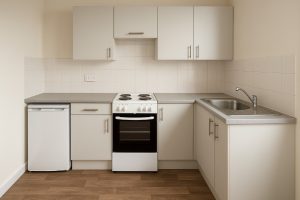
Budget kitchens are ideal for rental properties, first-time buyers, or those who simply want a functional refresh without a significant financial commitment. Typically costing between £3,000 and £8,000, these kitchens feature standardised layouts, off-the-shelf components, and a relatively quick installation process.
Most budget options are purchased from large retail stores such as IKEA, Wickes, or B&Q. The materials used often include laminate for worktops, melamine-faced chipboard (MFC) for cabinets, and vinyl flooring.
While these products are mass-produced and lack the customisation of higher-end solutions, they can still offer a clean, modern look if chosen carefully.
Appliances in budget kitchens are usually freestanding and sourced from entry-level brands. Installation costs can be kept low, especially if the layout is not altered and basic electrical and plumbing work is required.
This level of renovation suits those looking for value, quick turnaround, or preparing a property for sale or letting.
Mid-Range Kitchens
Mid-range kitchens fall between £8,000 and £15,000 and offer a noticeable upgrade in terms of quality, durability, and features. They often include soft-close drawers, integrated appliances, under-cabinet lighting, and a wider range of door finishes and colour options.
Cabinets may be constructed using higher-density MDF or plywood, and the worktops are commonly made from solid wood, composite materials, or better-grade laminates. Flooring options might include engineered wood or ceramic tiles rather than vinyl.
These kitchens typically retain a similar footprint to the original but allow for small layout improvements, improved storage solutions (like corner carousels and deep drawers), and decorative enhancements. The use of integrated appliances hidden behind matching cabinet doorsprovides a more streamlined and high-end appearance.
Mid-range kitchens are popular among homeowners who want both form and function, offering long-term value without entering the premium price bracket.
Luxury Kitchens

Luxury kitchens start at around £15,000 and can exceed £30,000 or more. These spaces are custom-built to match specific room dimensions, lifestyle preferences, and aesthetic goals. Often designed by specialist kitchen studios or high-end brands, bespoke kitchens are considered investments that can significantly add value to a home.
Materials used at this level include hardwood cabinetry, granite or quartz worktops, brushed brass fittings, underfloor heating, and high-spec appliances from brands such as Miele, Siemens, or Bosch. The finish is typically of a showroom standard, and attention is paid to every detail from drawer linings and handle choices to lighting schemes and smart technology integration.
Unlike budget and mid-range options, luxury kitchens often involve major layout changes, such as removing walls to create open-plan spaces, relocating appliances, or installing kitchen islands with integrated sinks and hob units. These renovations frequently require planning approvals, structural changes, and the involvement of architects or interior designers.
Below is a comparison of typical features across the three categories:
| Feature | Budget Kitchen | Mid-Range Kitchen | Luxury Kitchen |
| Cost Range | £3,000 – £8,000 | £8,000 – £15,000 | £15,000 – £30,000+ |
| Cabinet Material | MFC, basic MDF | MDF, plywood, foil or vinyl wraps | Solid wood, bespoke finishes |
| Worktops | Laminate | Wood, composite, better laminates | Granite, quartz, concrete |
| Appliances | Freestanding, entry-level | Integrated, mid-range brands | Built-in, premium smart appliances |
| Installation | Basic fitting | Improved layout, better joinery | Full redesign, high-end bespoke fitting |
| Flooring | Vinyl or laminate | Engineered wood, tile | Premium tiles, wood, underfloor heating |
| Lighting | Standard ceiling fixture | Under-cabinet LEDs, feature pendants | Custom lighting schemes |
| Design Involvement | DIY or in-store planner | Retail kitchen designer | Interior designer or architect involvement |
When Is It Worth Investing in a Luxury Kitchen?
While a luxury kitchen may appear expensive at first glance, it can offer long-term value, especially in higher-value properties or homes where the kitchen is a major social or lifestyle space.
If you’re extending or creating a large open-plan kitchen diner, the investment in aesthetics and functionality may make a significant difference in how the space is used and appreciated.
Luxury kitchens also tend to age better. While budget components may start to show wear after five years, high-quality finishes and well-installed fittings in a bespoke kitchen can last for decades with proper care.
Choosing the Right Level for Your Needs
Your choice between a budget, mid-range, or luxury kitchen should depend on your:
- Property type and location
- Long-term plans for the home
- Expected return on investment
- Personal lifestyle and use of the kitchen
- Available budget and financing
There is no single right answer it’s about aligning your renovation with what adds the most value and utility to your particular home.
What’s Included in the Cost of Kitchen Units, Worktops, and Appliances?
One of the most common misconceptions about kitchen renovation is that the quoted price includes everything from start to finish. In reality, a kitchen quote can vary significantly depending on what’s included, particularly when it comes to units, worktops, and appliances.
Each of these components has its own cost range based on quality, brand, and level of customisation. Understanding what contributes to these costs is essential when comparing quotes or deciding where to allocate your budget.
Kitchen Units and Cabinetry
Cabinets are often the most expensive element of a kitchen, accounting for roughly 30% to 35% of the total renovation cost. The pricing can vary based on the construction method, material, finish, and whether the units are flat-pack, rigid (pre-assembled), or fully bespoke.
Flat-pack units are generally the cheapest and are available from high-street stores like IKEA or Wickes. These are mass-produced, modular, and designed for easy transportation. However, they require more assembly time and may not offer the same level of durability as factory-assembled units.
Rigid or pre-assembled units come ready-made, often with stronger joinery and better finishes. They sit in the mid-range of pricing but offer better quality and quicker installation.
At the top end, bespoke cabinetry is built to exact dimensions and specifications. These units often use hardwood or veneered MDF and can be designed to fit awkward spaces or unique layouts.
| Type of Cabinetry | Typical Cost Range (excluding fitting) | Common Materials | Typical Supplier |
| Flat-pack | £1,000 – £3,000 | MFC, foil wrap | IKEA, B&Q, Homebase |
| Pre-assembled | £3,000 – £6,000 | MDF, plywood, vinyl wrap | Howdens, Magnet |
| Bespoke | £6,000 – £12,000+ | Solid wood, hand-painted MDF | Neptune, Harvey Jones |
The number of cabinets required will depend on the size of your kitchen and how much storage you need. For example, a typical 12-unit kitchen in a semi-detached house might cost around £4,000 to £6,000 for mid-range units.
Worktops: Costs by Material and Finish
Worktops are not just a practical surface, they are a major visual feature in any kitchen. The cost depends largely on the material, its thickness, and whether it’s prefabricated or custom-fitted. Worktops typically account for around 15%–20% of your kitchen renovation budget.
Below is a comparison of commonly used materials:
| Worktop Material | Standard Quality (Installed) | Good Quality (Installed) | Maintenance Level | Durability |
| Laminate | £20–£40 per metre | £50–£80 per metre | Low | Moderate |
| Solid Wood (Oak) | £80–£120 per metre | £120–£200 per metre | High | Moderate to High |
| Quartz | £250–£400 per metre | £400–£600+ per metre | Low | Very High |
| Granite | £250–£450 per metre | £500–£800+ per metre | Medium | Very High |
| Composite/Corian | £200–£400 per metre | £400–£600+ per metre | Low | High |
Laminate remains the most cost-effective and low-maintenance choice, suitable for budget-conscious renovations. Solid wood adds warmth and character but requires regular oiling to prevent damage.
Quartz and granite offer a premium look, incredible durability, and are very low maintenance, making them popular for high-end kitchens.
Installation is often priced separately and may involve templating and cutting, especially for stone worktops. These services can add £300 to £1,000 depending on the complexity and total surface area.
Appliances: Freestanding vs Integrated
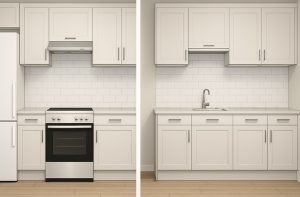
Appliances contribute significantly to your kitchen budget and vary depending on the level of integration, brand, and features.
Most homeowners spend between £1,000 and £2,500 on appliances alone, although high-end setups with built-in coffee machines, smart ovens, and wine fridges can raise this figure considerably.
Freestanding appliances are generally cheaper and easier to install, offering flexibility if you plan to move or change the layout in future. These are ideal for budget or rental properties.
Integrated appliances are built into the kitchen cabinetry, offering a streamlined look and optimised space. However, they tend to be more expensive and complicated to install.
| Appliance Type | Budget Range (£) | Mid-Range (£) | Premium (£) | Installation Required |
| Oven | £200 – £400 | £400 – £800 | £900+ | Yes |
| Hob (gas/electric) | £100 – £300 | £300 – £600 | £700+ | Yes |
| Fridge/Freezer | £300 – £600 | £600 – £1,000 | £1,200+ | Optional |
| Dishwasher | £250 – £500 | £500 – £800 | £900+ | Optional |
| Extractor Fan | £100 – £300 | £300 – £500 | £600+ | Yes |
| Microwave (built-in) | £150 – £300 | £300 – £500 | £600+ | Optional |
Smart appliances with app control or voice activation typically fall into the premium category and may also require Wi-Fi setup and smart home integration services.
What’s Typically Included in a Kitchen Quote?
When receiving a quote for a new kitchen, it’s essential to understand what is and isn’t included. A comprehensive quote from a full-service supplier might cover:
- Site survey and measurements
- Design consultation (sometimes free, sometimes paid)
- Cabinet units and drawers
- Worktops (including cutting and finishing)
- Appliances (if selected through the same provider)
- Sink and taps
- Splashbacks or wall tiles
- Flooring (optional)
- Labour (fitting, electrical, plumbing, tiling)
- Waste removal and disposal
- VAT
However, quotes can vary, and many installers exclude items like painting, decorating, or skip hire. Be sure to request a detailed, itemised breakdown before committing.
What Hidden Costs Should You Expect When Renovating a Kitchen?
While most homeowners budget for cabinets, worktops, and appliances, there are several hidden costs that can quickly inflate the total price of a kitchen renovation. Failing to plan for these can lead to unexpected financial strain midway through a project.
Removal and Disposal
Removing your old kitchen isn’t always included in a quote. Hiring a skip or waste removal service can cost anywhere from £150 to £300, depending on the volume and type of waste. If you uncover issues like damp or poor plasterwork behind old units, additional repair costs may also arise.
Structural or Utility Upgrades
If you plan to change your kitchen layout, you may need to move plumbing, gas pipes, or electrical points. This type of work often requires certified professionals and can add £500 to £2,000+ depending on complexity. In older homes, outdated electrics or plumbing may need complete upgrading to meet current regulations.
Design and Planning Fees
Independent kitchen designers or architects may charge fees ranging from £300 to over £1,000, depending on the level of involvement. Some brands offer free design services, but their recommendations may be limited to their product ranges.
Flooring, Decorating, and Finishing Touches
Quotes don’t always include the final touches. You may need to budget extra for:
- Flooring: £20–£80 per m², depending on material
- Painting and decorating: £300–£800
- Lighting installation: £150–£500
Even small items like handles, trims, or sealants can add up if not accounted for early.
Installation Complications
Flat-pack units or bespoke pieces that require detailed fitting may increase labour time and cost. If your installer encounters issues like uneven walls, subfloor problems, or non-standard measurements, expect added charges.
Conclusion: Planning Smart for Your Ideal Kitchen
A new kitchen is one of the most significant investments you can make in your home, both in terms of lifestyle and property value.
Whether you’re working with a tight budget or aiming for a premium, bespoke design, understanding the breakdown of costs from cabinets and worktops to installation and hidden fees helps you make better financial and design decisions.
Remember, a well-planned kitchen should balance function, aesthetics, and cost. Always compare quotes, prioritise quality installation, and plan for contingencies. By budgeting carefully and exploring the right suppliers, you can achieve a kitchen that meets your needs without overspending.
Frequently Asked Questions
What is the cheapest way to renovate a kitchen in the UK?
Opt for flat-pack units, laminate worktops, and retain the existing layout to minimise plumbing and electrical work.
How much does kitchen fitting typically cost?
Labour usually accounts for 20–30% of the renovation budget, ranging from £1,000 to £3,000 depending on the kitchen size and complexity.
Is it cheaper to buy a kitchen from IKEA or Howdens?
IKEA generally offers lower upfront costs, while Howdens provides trade discounts and better build quality in many cases.
Can I renovate my kitchen in stages to save money?
Yes, many homeowners update elements like worktops or appliances gradually to spread the cost over time.
Are kitchen renovation costs VAT inclusive?
Not always. Make sure your quote clearly states whether VAT is included to avoid surprises.
How long does a kitchen renovation take in the UK?
A standard kitchen renovation typically takes 1–3 weeks, depending on the scope and whether structural changes are involved.
How do I get an accurate kitchen renovation quote?
Get at least three detailed, itemised quotes from qualified fitters and use online cost calculators to benchmark prices.