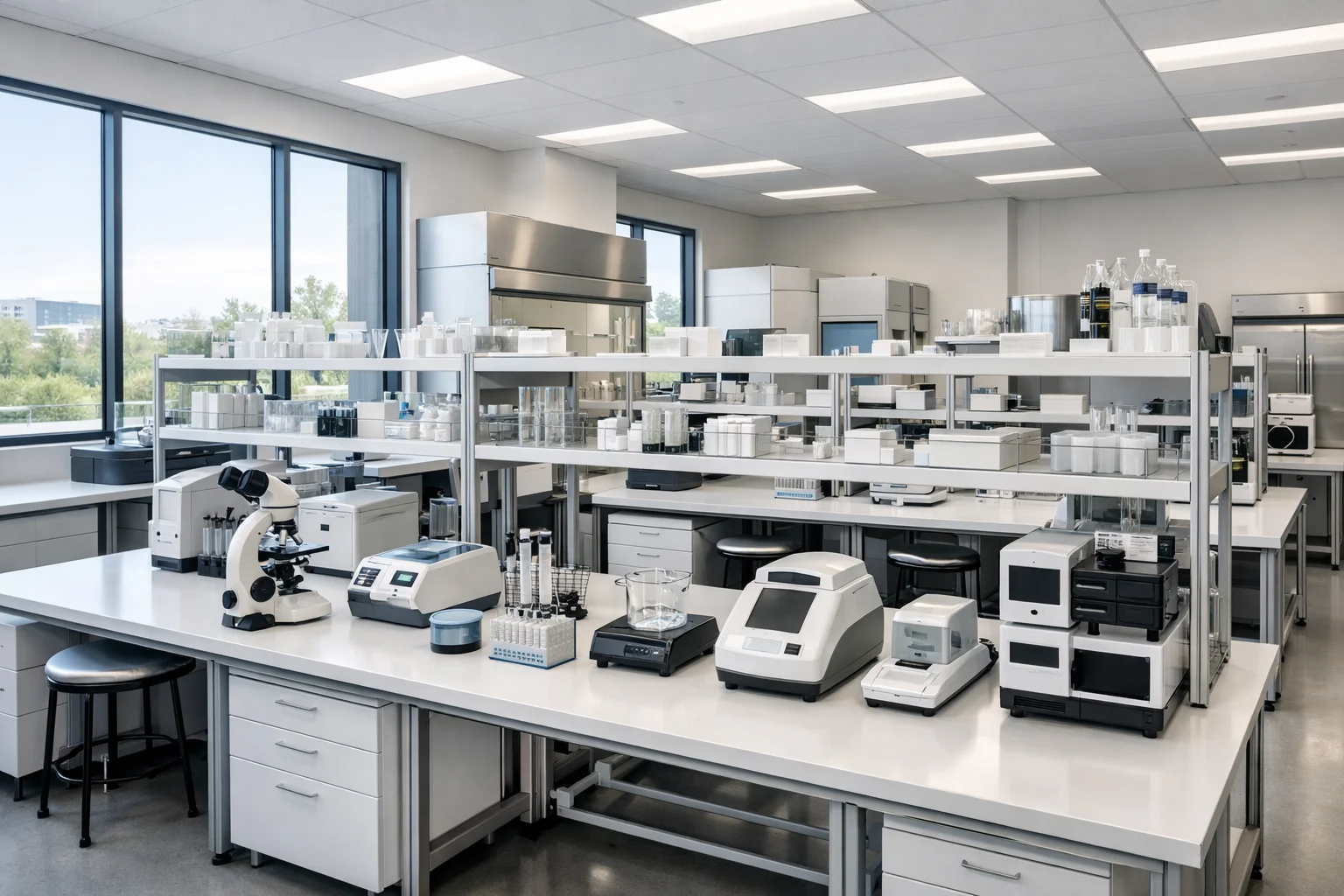
Early-stage science ventures face a key challenge when setting up their first laboratory: balancing immediate analytical needs with future scalability.
For biotech startups and emerging research companies, analytical instrumentation represents a substantial investment that must deliver reliable results while adapting to growing demands. Titrators, essential for quantitative chemical analysis, show this balance between initial capability and long-term flexibility.
The modern laboratory titrator has advanced far beyond manual burettes and colour indicators. Today’s automated systems offer precision measurement, data management, and regulatory compliance features that can transform workflow efficiency.
For science-focused startups, selecting the right titration platform means considering not just current applications but how the technology will support expanding research and production needs.
The Financial Reality of Laboratory Equipment for Science Startups

Science startups often dedicate a significant portion of their initial funding to equipment purchases. The laboratory titration devices market has seen substantial growth in recent years as more companies seek reliable analytical tools. For new ventures, the challenge lies in matching current needs with future requirements without tying up capital inefficiently.
When setting up a laboratory, the purchase price is just the beginning. Ongoing costs include maintenance contracts, calibration services, staff training, and consumables. These additional expenses can substantially increase the total cost of ownership over five years.
For growing ventures, modular analytical systems offer a better return on investment. These systems allow labs to start with basic functionality and add capabilities as needs change, helping teams avoid overspending on rarely used features while maintaining flexibility.
Labs can find the ideal titration system for their workflow by evaluating modular options that scale with their requirements.
The global automated titration system market has expanded as laboratories increasingly adopt modular, scalable analytical platforms that allow them to adjust as requirements change.
Essential Analytical Equipment for Early-Stage Science Labs
Core analytical instruments should provide maximum versatility with minimal investment. For science startups, this means choosing equipment that can handle multiple applications. Devices able to process various sample types help labs make the most of each purchase.
The basic lab workflow has three parts: preparing the sample, carrying out the analysis, and managing the results. Each segment depends on seamless connections between instruments and software. Focusing on equipment that supports this setup reduces errors and helps with compliance.
When selecting analytical equipment, consider both immediate needs and future growth. Early-stage labs often begin with basic instruments that offer good accuracy at reasonable cost. As operations expand, these core systems should integrate with more advanced equipment.
Versatile instruments like pH meters, balances, and basic titrators form the foundation of most analytical labs. These tools support a wide range of applications across industries from pharmaceuticals to food testing.
Titration Systems: Versatility in Lab Applications
Titration systems are widely used because they fit into workflows across pharmaceuticals, food testing, environmental labs, and chemicals. For startups, weighing sample volume and test rates helps avoid both over- and under-investment in titration capacity. Labs with fewer daily samples can often operate manual systems efficiently.
When sample numbers increase, automated titrators become more practical. They deliver accurate results without operator fatigue, reduce manual errors, and manage larger workloads with less hands-on time. Automating repetitive steps also frees skilled staff for other essential work.
This approach is supported by industry experience. Automation helps teams focus on important research tasks rather than repetitive manual processes. It improves both accuracy and efficiency by handling common bottlenecks.
Selecting the Right Titration Technology
The decision between manual and automatic titrators requires looking past just purchase price. Manual titrators can be less expensive than automated models, which tend to have a higher upfront cost. While automated systems reduce manual involvement, actual savings depend on workflow, sample load, and lab staffing structure.
Key features include the quality of electrodes, the accuracy of burettes, and the functions offered by the onboard software. Durable electrodes are important for stable measurements across different samples. Precision burettes allow accurate reagent delivery, preventing wasted materials and incorrect results.
Building a Regulatory-Ready Laboratory from Day One
UK science startups operate under strict sector-specific regulations. For example, pharmaceutical business startups must follow both Good Laboratory Practice and Good Manufacturing Practice guidelines from the beginning.
Food testing businesses must structure documentation in line with ISO 17025. Environmental labs must comply with sector-specific ISO standards.
Choosing automated titration systems with built-in audit trails makes compliance simpler. Integrating titration data capture and electronic signatures helps demonstrate data integrity. This reduces the risk of failed regulatory inspections when scaling or seeking investment.
Careful compliance planning saves considerable time and money later. Retrofitting non-compliant systems can delay product development and increase costs. Modern titrators support compliance through automated documentation, electronic signatures, and audit trails.
Regulatory frameworks increasingly focus on data traceability and security. The ALCOA principles (Attributable, Legible, Contemporaneous, Original, and Accurate) guide data integrity requirements across industries.
Data Management Infrastructure for Growing Labs
Strong data management depends on both hardware and software systems working together. Key software includes laboratory information management systems, electronic laboratory notebooks, and instrument control software. These systems must maintain data integrity while supporting efficient workflow.
When considering cloud-based versus on-premise data management, startups must weigh their operational needs and security requirements. Cloud-based solutions offer lower upfront costs and rapid deployment. This approach removes the burden of managing servers, allowing teams to focus on research.
However, some industries may have legal constraints that make cloud options less suitable. For those scenarios, on-premise systems provide direct oversight and tighter security controls. The choice depends on a practical assessment of risk and features needed.
Preparing laboratory data systems for the future means adopting standardised formats and transfer protocols. Systems using common file formats provide more flexibility as the laboratory grows.
Strategic Equipment Procurement for Science Startups

Planning equipment procurement requires analysing both immediate and longer-term needs. When considering high-value instruments such as automated titrators, evaluate lease versus purchase options.
Leasing can help conserve early-stage capital with manageable monthly costs. It often covers routine maintenance, reducing unpredictable expenses.
However, leasing can result in higher total costs over several years compared with outright purchase. Purchasing gives a startup control over its assets and more freedom to upgrade equipment, though it ties up more initial funds.
Shared access to advanced analytical equipment provides a budget-friendly alternative to direct ownership.
Many UK university science parks and innovation centres maintain centralised instrument facilities for multiple tenant companies. This approach allows startups to access sophisticated equipment for a fraction of the purchase price.
Phased implementation works well because it matches spending with confirmed financial milestones. A startup might first deploy basic manual titration systems while keeping initial costs low. When additional investment becomes available, automated features can be introduced.
With a well-considered plan for scaling up, UK science startups can select instrumentation that supports audit readiness, strong documentation, and straightforward workflow growth.
The ongoing expansion of the lab titration devices market reflects a wider move toward adaptable, regulation-friendly workflows that support laboratory development.