

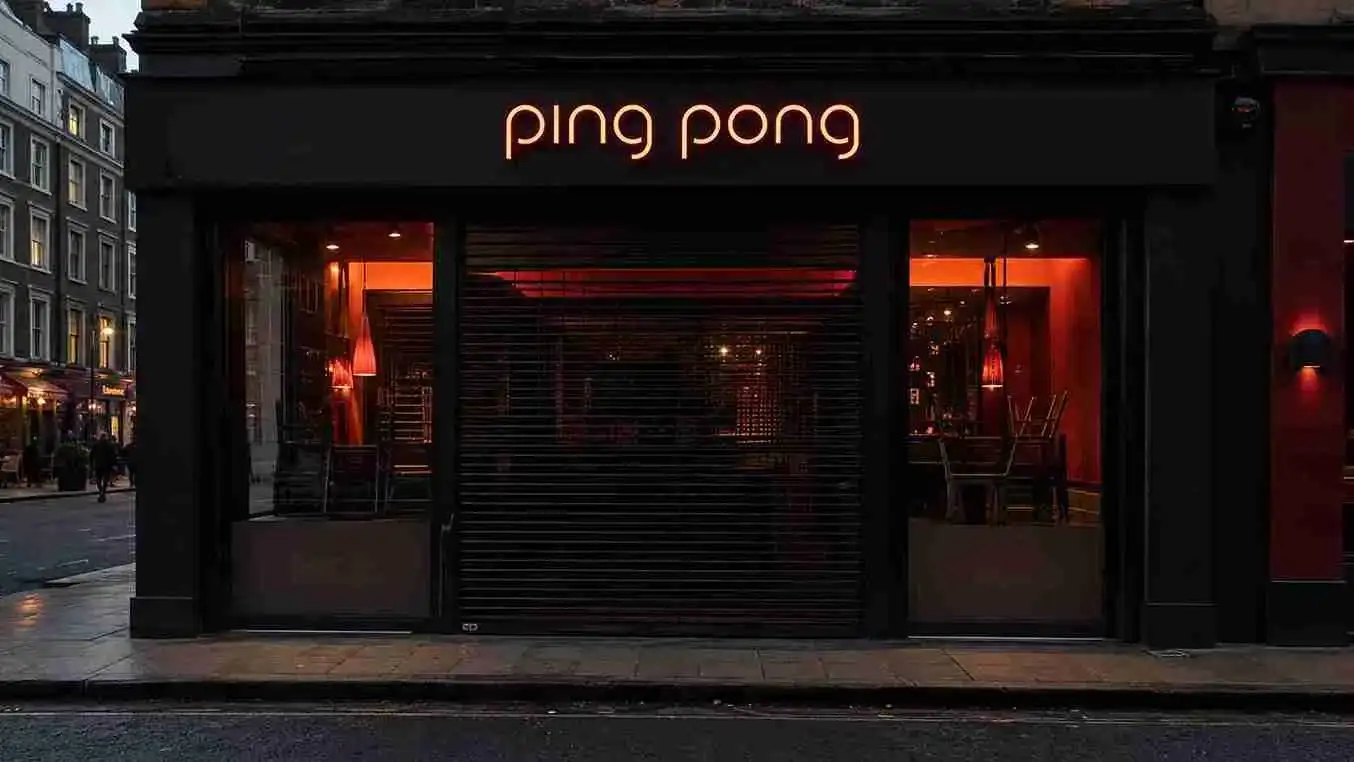
After two decades as one of London’s best-known dim sum brands, the Ping Pong restaurant closures UK story officially came to an end when the company permanently shut all of its remaining locations in July 2025.
The closure was not caused by one isolated event but by a combination of financial pressures, pandemic-related liabilities, rising operating costs and weakening revenues.
Despite restructuring attempts and a reduced store footprint, the business could not maintain sustainable trading conditions.
Key highlights:
- Ping Pong permanently closed all remaining UK restaurants in July 2025
- Rising operational costs reportedly increased financial pressure significantly
- Pandemic-era debt continued to affect recovery efforts
- Revenue declines accelerated the decision to cease trading
- Previous restructuring measures failed to deliver long-term stability
What Led to the Ping Pong Restaurant Closures UK?
Ping Pong entered the London restaurant market with an accessible dim sum concept that combined contemporary interiors with casual dining. Over time, the brand established itself as a recognisable name across several high-profile locations.
However, the environment that supported rapid hospitality growth changed significantly in the years following the pandemic. Consumer spending habits evolved, operating expenses increased and competition intensified across London’s food market.
A Brief Background of the Ping Pong Brand
Founded by Kurt Zdesar, Ping Pong built its reputation around accessible dim sum and a modern dining environment. The business grew across London and developed a recognisable identity in the competitive restaurant market.
At its peak, the chain operated multiple venues and positioned itself between premium dining and affordable eating-out experiences.
From Expansion to Final Store Closures
Although expansion brought visibility, maintaining multiple London sites became increasingly difficult. Industry-wide changes created pressure on profitability and operational flexibility.
The company gradually reduced its footprint before eventually operating only four remaining branches.
The Events That Triggered the End of Operations
Management cited increasingly difficult trading conditions and growing costs as major obstacles. Financial restructuring efforts delayed closure but did not reverse underlying pressures.
“The UK hospitality environment has become exceptionally difficult to operate within, particularly for multi-site restaurant groups.” — Statement attributed to company leadership reported by hospitality media
The closure reflects how external economic conditions can overwhelm even established restaurant brands.
Which Ping Pong Restaurants Closed and When Did They Shut?
The final phase of the Ping Pong restaurant closures in UK took place in July 2025. The shutdown affected all remaining sites and immediately ended the company’s trading operations.
Before closure, the estate had already been reduced significantly from previous years.
Location Overview Table
| Location | Area | Status |
| Soho | Central London | Permanently Closed |
| Southbank | Belvedere Road | Permanently Closed |
| Bow Bells House | Cheapside | Permanently Closed |
| St Christopher’s Place | Marylebone | Permanently Closed |
These closures marked the end of a brand that had operated across London for approximately twenty years.
The timing was particularly notable because it came after earlier restructuring efforts that many believed would preserve the business.
Why Did Rising Costs Become Unsustainable for Ping Pong?
Cost inflation became one of the most significant reasons behind the company’s inability to continue trading.
Restaurants typically operate with narrow margins. Even relatively small increases in labour, rent or supply costs can substantially affect profitability.
Escalating Labour, Utilities and Business Rates
Labour costs increased due to wage rises, National Insurance changes and ongoing staffing pressures across the hospitality sector. Utility bills also remained high, especially for restaurants with energy-intensive kitchens and long operating hours.
At the same time, business rates and high city-centre occupancy costs added further financial pressure. For multi-site restaurant groups, these combined expenses became increasingly difficult to manage through normal trading activity alone.
How Inflation Changed the Casual Dining Landscape
Inflation affected both restaurants and consumers, creating a difficult environment for casual dining businesses. Operators faced higher ingredient, transport and staffing costs, while customers became more cautious with discretionary spending.
Restaurants experienced:
- Higher ingredient prices
- Increased supplier and transport costs
- Rising staffing expenses
Many customers reduced dining frequency, spent less per visit or chose lower-cost alternatives. This placed additional pressure on mid-market restaurant brands competing across multiple price segments.
Financial Pressure Across the UK Hospitality Sector
Ping Pong’s challenges reflected broader issues affecting the UK hospitality industry, where rising operating costs reduced profitability across the sector.
Cost Pressure Comparison Table:
| Cost Area | Impact on Restaurants |
| National Living Wage | Higher staffing costs |
| Energy Costs | Increased overhead expenses |
| Business Rates | Reduced profit margins |
| Food Inflation | Menu pricing pressure |
| National Insurance | Higher employment costs |
“Many operators reached a point where revenue growth no longer offset rising operating expenditure.” — UK Hospitality sector commentary
Rising costs across labour, energy and operations made long-term profitability increasingly difficult for many restaurant businesses.
Did Pandemic Debt Play a Major Role in Ping Pong’s Collapse?
Pandemic-related debt played a significant role in Ping Pong’s financial difficulties, although it was not the only factor behind the company’s collapse.
Like many hospitality businesses, the restaurant group accumulated financial obligations during periods of restricted trading and slower post-pandemic recovery. Expectations for a rapid return in customer demand did not fully materialise, while rent, staffing and operational costs continued.
Earlier restructuring efforts attempted to stabilise the business, but historical liabilities remained difficult to reduce.
When combined with rising inflation, higher operating expenses and weaker consumer spending, the long-term impact of pandemic debt reduced the company’s ability to adapt. This made each additional cost increase far more difficult for the business to absorb sustainably.
How Did Revenue Decline Contribute to the Closure Decision?
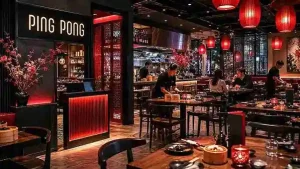
Revenue performance became another decisive factor in the closure process. Restaurant businesses rely on consistent customer volume to offset fixed costs. When customer numbers decline while costs rise, profitability can quickly disappear.
Falling Customer Footfall and Changing Spending Behaviour
Consumer habits changed significantly across the UK dining sector. Remote and hybrid working reduced weekday city-centre footfall, while inflation and rising living costs made customers more cautious with discretionary spending.
Many diners became more value-focused, compared prices more carefully and reduced non-essential restaurant visits.
This created additional pressure on mid-market casual dining brands trying to balance service quality with financial sustainability.
Revenue Pressure Before Closure
Reports suggested trading performance weakened further before closure, adding pressure to existing operational challenges.
| Period | Business Trend |
| 2022 | Restructuring and recovery |
| 2023 | Gradual stabilisation |
| 2024 | Increased operating pressure |
| Early 2025 | Revenue decline |
| July 2025 | Final closure |
“Recovery was possible for some operators, but sustained revenue weakness created difficult decisions across the sector.” — Hospitality industry analyst
Reduced customer traffic and cautious spending ultimately limited the company’s ability to recover from rising costs and existing financial pressures.
Was the Brand Charge Controversy a Turning Point for Ping Pong?
One of the most discussed issues during Ping Pong’s final period was the introduction of a discretionary brand charge designed to offset rising operational and employment costs.
While the charge was not the direct reason for closure, it generated significant customer discussion around pricing transparency and value perception. Some diners viewed the additional fee as unclear compared with traditional restaurant pricing models.
In competitive hospitality markets, public perception can strongly influence customer confidence and brand reputation.
The controversy highlighted the challenge restaurants face when balancing rising costs with maintaining customer trust and transparent pricing expectations.
Could Ping Pong Have Avoided Closing All UK Stores?
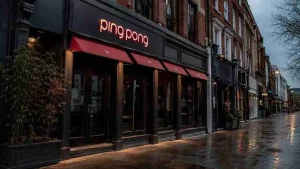
The question many observers continue to ask is whether the closure could have been prevented. The company had already taken measures to reduce exposure and extend viability.
Action Taken Before Closure:
- Reduced the number of operating locations
- Completed restructuring efforts
- Adjusted operating models
- Attempted cost management initiatives
- Continued trading through difficult market conditions
Despite these efforts, recovery proved difficult.
Restaurant operators face a unique challenge because many expenses remain fixed regardless of customer demand.
The ability to secure external investment or create sustained growth opportunities became increasingly limited.
The sequence of actions indicates that the decision followed prolonged attempts to maintain operations.
What Do the Ping Pong Restaurant Closures UK Mean for Customers and Staff?
For customers, the closure represented the loss of a familiar London dining brand. Questions emerged regarding bookings, vouchers and future availability of branded products.
For employees, the closures created uncertainty during a period already marked by labour shifts across hospitality. Many staff members faced transitions into new roles within London’s restaurant market.
Former customers have also looked toward alternative dim sum experiences across Chinatown and broader London dining destinations.
The closure serves as a reminder that customer loyalty alone cannot guarantee long-term business sustainability.
For hospitality employers, the event reinforces the importance of balancing financial discipline with operational flexibility. The end of Ping Pong leaves behind both commercial lessons and consumer memories.
What Does the End of Ping Pong Reveal About the Future of UK Hospitality?

The closure reflects broader realities facing the UK restaurant industry. Rising operating costs, changing customer behaviour and increased competition continue to reshape the market.
Businesses that succeed in the coming years are likely to prioritise:
- Operational efficiency
- Pricing transparency
- Flexible business models
- Strong customer retention strategies
The industry may continue moving towards leaner operating structures and more adaptable concepts. At the same time, independent operators and focused regional brands could benefit from changing consumer expectations.
The Ping Pong restaurant closures in UK story demonstrates that brand recognition alone is no longer enough to guarantee resilience.
Future hospitality success will depend on balancing customer experience with sustainable economics.
Conclusion
The Ping Pong restaurant closures UK story was not caused by a single event or isolated mistake. Instead, it reflected the combined impact of pandemic debt, rising operating costs, inflation, declining revenues and changing customer behaviour.
After approximately twenty years in business, the brand’s closure became a visible example of the pressures affecting modern hospitality.
For restaurant owners, startups and industry observers, the case highlights the importance of cost control, pricing transparency and operational resilience.
Although Ping Pong has disappeared from the UK high street, its rise and closure continue to offer valuable lessons for the future of dining businesses.
Frequently Asked Questions
Is there any possibility of Ping Pong reopening under new ownership?
There are currently no confirmed announcements regarding a relaunch or acquisition that would return the restaurant chain to UK high streets.
Who owned Ping Pong before the closures?
Ping Pong operated under AJL Restaurants following earlier restructuring arrangements and management changes.
What happened to Ping Pong gift vouchers and bookings?
Customers were advised to follow official closure guidance and contact payment providers where applicable.
Were only London branches affected by the shutdown?
At the time of closure, the remaining operational sites were located in London and all ceased trading.
Did Ping Pong attempt to reduce costs before closing?
Yes. The company undertook restructuring and downsizing initiatives before reaching the final closure decision.
What restaurants offer a similar dim sum experience in London?
Alternatives frequently mentioned include Royal China, Yauatcha and independent Chinatown dim sum venues.
Are restaurant closures becoming more common in the UK hospitality sector?
The sector continues to face cost pressures and changing consumer behaviour, leading many operators to reassess expansion and operating models.