


Recent industry estimates suggest that inefficient stock control can reduce profitability by as much as 20–30%, particularly for small and medium-sized businesses managing multiple sales channels.
If you are still relying on spreadsheets or disconnected systems, the risk of human error, stock discrepancies, and missed opportunities increases significantly.
Inventory stock management software provides a structured, reliable way to manage stock levels, streamline operations, and support informed decision-making.
For UK businesses operating in competitive markets, adopting the right system can directly influence efficiency, customer satisfaction, and long-term growth.
This guide explains what inventory stock management software is, how it affects your business, and which tools you should consider in 2026.
What Is Inventory Stock Management Software and Why Does It Matter?

Inventory stock management software is a digital solution designed to help you track, organise, and control your stock in real time.
Instead of manually updating spreadsheets or relying on fragmented systems, you gain a centralised platform that keeps your inventory accurate and accessible.
In practical terms, this means you can monitor stock levels, manage supplier orders, and track product movement across locations without needing constant manual input.
The software continuously updates your inventory data, ensuring that what you see reflects what is actually available. This matters because stock accuracy directly impacts your ability to meet customer demand.
If your records are incorrect, you may oversell products, delay orders, or tie up cash in excess inventory. Over time, these issues can reduce profitability and damage customer trust.
For UK businesses, particularly those involved in ecommerce or retail, the transition from manual processes to cloud-based inventory systems is becoming increasingly necessary.
As operations grow more complex, the need for accurate, real-time stock visibility becomes essential rather than optional.
How Can Inventory Stock Management Software Improve Your Business Operations?
Inventory stock management software enhances your business operations by bringing structure, automation, and clear visibility to tasks that would otherwise be manual and prone to error.
By centralising your inventory data, you gain better control over stock movement and day-to-day processes.
One of the most valuable improvements is real-time tracking. You can instantly view current stock levels, understand where items are stored, and monitor how quickly products are selling.
This level of insight helps you make timely decisions, such as when to reorder or adjust pricing strategies.
Automation also plays a significant role in improving efficiency. Instead of manually updating stock after each transaction, the system updates everything automatically across your sales channels. This reduces administrative effort and lowers the chances of costly mistakes.
As one UK small business owner explains:
“Before switching to inventory software, I was constantly second-guessing my stock levels. Now everything updates automatically, and I can focus on running the business instead of fixing errors.”
Key operational improvements include:
- Real-time visibility into stock levels and locations
- Automatic updates across online and offline sales channels
- Reduced manual workload and fewer data entry errors
- Faster and more accurate order fulfilment
With improved accuracy, your business can avoid issues like overstocking or running out of key products.
In addition, built-in reporting tools provide valuable insights into sales patterns and demand trends, allowing you to plan inventory more effectively and support sustainable business growth.
What Features Should You Look for in Inventory Stock Management Software?

Selecting the right inventory stock management software involves understanding which features will genuinely support your daily operations and long-term growth. The goal is to choose a system that simplifies processes while improving accuracy and visibility across your business.
A key feature to prioritise is barcode scanning, as it enables fast and precise tracking of stock. This is particularly valuable in environments where efficiency matters, such as retail shops or warehouses handling large volumes of products.
Alongside this, reporting and analytics tools provide essential insights into how your inventory is performing, helping you identify trends and make informed decisions.
Order management is another important capability. It allows you to monitor purchases and sales within a single system, creating a smooth flow from supplier ordering to customer delivery. This reduces confusion and ensures better coordination across your operations.
As one operations manager from a UK retail business shared:
“Once we introduced barcode scanning and proper reporting, we finally had clarity on what was selling and what wasn’t. It changed how we manage stock completely.”
Important features to consider include:
- Barcode scanning for accurate and efficient stock tracking
- Reporting and analytics for better decision-making
- Order management to streamline purchasing and fulfilment
- Cloud-based access for remote and multi-location management
- Integration with accounting and sales platforms
Cloud access ensures you can manage inventory from anywhere, while strong integration capabilities help keep your financial and operational data aligned and consistent.
Top 12 Inventory Stock Management Software You Can Consider in 2026
1. Xero

Xero combines accounting and inventory stock management software features within a single, unified platform, making it a practical choice for UK small businesses that want to simplify operations.
By bringing financial data and stock tracking together, it reduces the need for multiple systems and helps maintain consistency across your business.
A key advantage is its real-time visibility. You can monitor stock levels, track product costs, and automatically update records as sales and purchases occur. This ensures accurate financial reporting while giving you a clear view of how your inventory is moving.
Xero is particularly suitable if you are in the early or growth stages of your business and need a straightforward, easy-to-use system. While it may not include advanced warehouse or forecasting features, it performs reliably for businesses with moderate inventory requirements.
Its ability to integrate with third-party applications also allows you to expand functionality as your business grows.
Key Features:
| Feature | Details |
| Inventory Tracking | Basic real-time stock tracking |
| Accounting Integration | Built-in financial management |
| Automation | Automatic stock updates |
| Integrations | Connects with ecommerce and business apps |
| Ease of Use | Beginner-friendly interface |
| Pricing | Starts from £7/month (UK plans up to £65/month) |
Xero is best suited if you are looking for a simple, reliable system that combines accounting with essential inventory management, without the complexity of advanced enterprise tools.
2. Sage Inventory Management
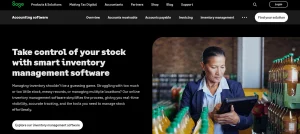
Sage Inventory Management is a well-established solution in the UK, known for its strong connection with financial management tools and structured approach to stock control.
It is particularly useful if you want a system that aligns closely with accounting processes while maintaining accurate inventory records.
One of its key strengths is reliability. You can track stock levels, manage supplier orders, and maintain consistent financial reporting within a familiar ecosystem. This reduces the chances of discrepancies between your stock data and accounting records.
Sage is especially suitable for established businesses that require a dependable system rather than a highly complex or experimental platform.
While it may not be as flexible as some newer tools, it offers stability and trusted performance for businesses with standard inventory needs.
Key Features:
| Feature | Details |
| Inventory Tracking | Real-time stock control |
| Accounting Integration | Strong Sage ecosystem integration |
| Order Management | Supplier and purchase tracking |
| Reporting | Financial and inventory reports |
| Ease of Use | Familiar interface for UK users |
| Pricing | Starts from £15/month + VAT |
Sage Inventory Management is best suited if you prefer a reliable, UK-focused system that integrates seamlessly with accounting and supports consistent business operations.
3. Square Inventory
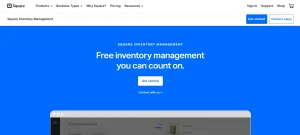
Square Inventory is designed primarily for retail businesses, offering seamless integration with point-of-sale systems. It allows you to automatically track stock levels as transactions occur, making it highly effective for in-store operations.
The main advantage is its simplicity and automation. When a sale is processed, inventory updates instantly, reducing manual work and ensuring accuracy. This is particularly useful in fast-paced retail environments where real-time updates are essential.
Square is ideal for small to medium-sized retailers looking for an easy-to-use system that connects directly with their sales process. While it may not include advanced warehouse features, it performs well for straightforward retail inventory management.
Key Features:
| Feature | Details |
| Inventory Tracking | Real-time POS-based updates |
| POS Integration | Built-in sales and stock sync |
| Automation | Automatic stock adjustments |
| Reporting | Sales and inventory insights |
| Ease of Use | Simple retail-focused interface |
| Pricing | Free plan available; paid plans from £29/month + fees |
Square Inventory is best suited if you run a retail business and need a simple, integrated system that keeps stock levels accurate without additional complexity.
4. Unleashed Software
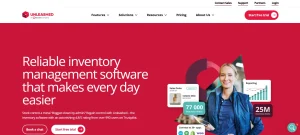
Unleashed Software offers advanced inventory stock management software capabilities, making it suitable for growing businesses that require deeper insights into stock performance. It focuses on providing detailed reporting and forecasting tools.
A key strength is its ability to track stock in real time while offering demand forecasting features. This allows you to plan ahead, reduce excess stock, and avoid shortages.
It also supports batch tracking, which is useful for businesses dealing with perishable or regulated products.
Unleashed is particularly beneficial for businesses transitioning from basic systems to more advanced inventory management. While it requires a slightly higher investment, it delivers greater control and visibility.
Key Features:
| Feature | Details |
| Inventory Tracking | Advanced real-time tracking |
| Forecasting | Demand planning and insights |
| Reporting | Detailed performance analytics |
| Batch Tracking | Product and batch management |
| Integrations | Connects with accounting tools |
| Pricing | From approx. £298/month (converted from USD) |
Unleashed Software is best suited for growing businesses that need advanced reporting, forecasting, and greater control over inventory operations.
5. NetSuite Inventory Management

NetSuite Inventory Management is part of a comprehensive enterprise resource planning system, offering extensive functionality for businesses with complex operations. It is designed to handle large-scale inventory processes across multiple locations.
Its main advantage lies in scalability and depth. You can manage stock across warehouses, automate workflows, and gain detailed insights into every aspect of your inventory.
This makes it suitable for organisations with high transaction volumes and complex supply chains.
NetSuite is typically used by larger businesses that require a fully integrated system rather than a standalone inventory tool. While it involves a higher investment, it provides long-term scalability and operational control.
Key Features:
| Feature | Details |
| Inventory Tracking | Multi-location stock management |
| ERP Integration | Full business system integration |
| Automation | Workflow automation |
| Reporting | Advanced analytics and dashboards |
| Scalability | Enterprise-level capability |
| Pricing | Starts around £747/month (custom pricing) |
NetSuite Inventory Management is best suited for large organisations that need a scalable, enterprise-level solution with comprehensive control over inventory and operations.
6. Zoho Inventory
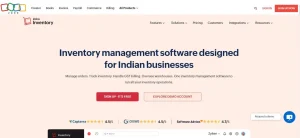
Zoho Inventory provides a flexible and user-friendly inventory stock management software solution, particularly suited to small and medium-sized businesses. It supports multi-channel selling and integrates with various ecommerce platforms.
One of its key strengths is accessibility. You can manage inventory, track orders, and monitor sales from a cloud-based system that is easy to use. It also offers automation features that help streamline order processing and stock updates.
Zoho Inventory is ideal if you want a balance between affordability and functionality. It offers more flexibility than basic tools while remaining accessible for businesses that do not require enterprise-level complexity.
Key Features:
| Feature | Details |
| Inventory Tracking | Real-time stock updates |
| Order Management | Multi-channel order processing |
| Integrations | Ecommerce and Zoho ecosystem |
| Automation | Workflow and stock automation |
| Ease of Use | Intuitive interface |
| Pricing | Starts from approx. £10/month |
Zoho Inventory is best suited for SMEs looking for a flexible, cost-effective solution that supports growth and multi-channel operations.
7. OrderWise
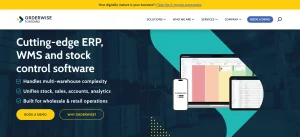
OrderWise is a comprehensive inventory stock management software solution designed to handle complex business operations across multiple sales channels.
It combines stock control, order processing, and business management into a single system, making it particularly useful for companies with integrated workflows.
One of its main strengths is end-to-end visibility. You can manage stock, process orders, and track fulfilment within one platform, reducing the need for multiple disconnected systems. This improves efficiency and ensures consistency across operations.
OrderWise is best suited for businesses that have outgrown basic tools and require a more structured, scalable system. While it involves a more tailored setup, it provides strong long-term value for growing organisations.
Key Features:
| Feature | Details |
| Inventory Tracking | Centralised stock control |
| Order Management | End-to-end order processing |
| Multi-Channel Support | Handles multiple sales platforms |
| Reporting | Business and inventory insights |
| Integration | ERP-level functionality |
| Pricing | Custom pricing (implementation from ~£12,000) |
OrderWise is best suited for businesses that need a fully integrated system to manage stock, orders, and operations in one place.
8. Mintsoft
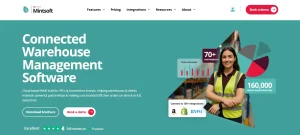
Mintsoft focuses on warehouse and fulfilment operations, making it a strong choice for ecommerce businesses managing high volumes of orders. It is designed to streamline picking, packing, and shipping processes.
Its key advantage is efficiency in fulfilment. By automating warehouse workflows and integrating with courier services, it helps reduce delays and improve order accuracy. This is particularly valuable for businesses handling large numbers of daily shipments.
Mintsoft is ideal if your business relies heavily on logistics and order fulfilment. It provides the tools needed to manage warehouse operations effectively without unnecessary complexity.
Key Features:
| Feature / Plan | Details |
| Inventory Tracking | Warehouse-focused stock control |
| Order Fulfilment | Picking, packing, and shipping tools |
| Courier Integration | Connects with delivery services |
| Automation | Workflow automation |
| Reporting | Fulfilment and performance insights |
| Pricing | Starts from £159/month |
Mintsoft is best suited for ecommerce and fulfilment businesses that need efficient warehouse management and streamlined order processing.
9. inFlow Inventory

inFlow Inventory is known for its simplicity and ease of use, making it an accessible inventory stock management software option for small to medium-sized businesses. It is particularly helpful if you are transitioning from manual systems.
The software provides clear visibility into stock levels, orders, and product movement without overwhelming you with complex features. This makes it easier to adopt and implement quickly within your business.
inFlow is a practical choice for businesses that want a straightforward system that delivers reliable results without requiring extensive training or setup.
Key Features:
| Feature | Details |
| Inventory Tracking | Real-time stock visibility |
| Order Management | Sales and purchase tracking |
| Reporting | Basic inventory insights |
| Ease of Use | Simple and intuitive interface |
| Platform | Cloud and desktop options |
| Pricing | Approx. £82–£139/month (converted from USD) |
inFlow Inventory is best suited for businesses seeking a simple, reliable solution to replace spreadsheets and manual tracking.
10. Cin7
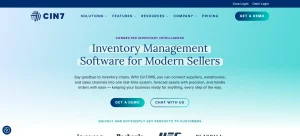
Cin7 is a powerful inventory stock management software solution designed for businesses operating across multiple sales channels. It combines inventory, order management, and sales integration into a single platform.
A major strength of Cin7 is its ability to synchronise stock across ecommerce platforms, marketplaces, and physical stores. This ensures consistency and prevents overselling, which is a common challenge for multi-channel businesses.
Cin7 is particularly suitable for growing businesses that need more control and integration across their sales channels, while still maintaining a manageable level of complexity.
Key Features:
| Feature | Details |
| Inventory Tracking | Multi-channel stock synchronisation |
| Order Management | Centralised order processing |
| Integrations | Ecommerce and marketplace connections |
| Automation | Workflow and stock automation |
| Reporting | Sales and inventory analytics |
| Pricing | Starts from approx. £261/month (converted from USD) |
Cin7 is best suited for businesses that need to manage inventory across multiple platforms while maintaining accuracy and efficiency.
11. Sortly
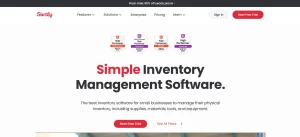
Sortly offers a visual approach to inventory stock management software, allowing you to track items using images, QR codes, and mobile devices. It is designed for simplicity and ease of use.
Its main advantage is accessibility. You can manage inventory directly from your smartphone, making it convenient for small teams or businesses without complex infrastructure. The visual interface also makes it easier to identify items quickly.
Sortly is ideal for businesses that need a straightforward, mobile-friendly solution rather than a feature-heavy system.
Key Features:
| Feature | Details |
| Inventory Tracking | Visual and mobile-based tracking |
| Barcode/QR Support | Easy item identification |
| Mobile Access | App-based inventory management |
| Reporting | Basic tracking insights |
| Ease of Use | Highly intuitive interface |
| Pricing | Starts from approx. £18/month (converted from USD) |
Sortly is best suited for small teams that prioritise simplicity, mobility, and visual inventory tracking.
12. Khaos Control
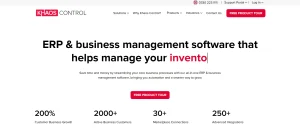
Khaos Control is an all-in-one business management system that includes inventory stock management software alongside CRM and accounting features. It is designed to provide a complete operational solution within a single platform.
Its strength lies in integration. By combining multiple business functions, it reduces the need for separate systems and ensures consistency across data. This can improve efficiency and provide a clearer overview of your operations.
Khaos Control is particularly suitable for businesses looking for a comprehensive system that goes beyond inventory management and supports broader business processes.
Key Features:
| Feature | Details |
| Inventory Tracking | Centralised stock management |
| CRM Integration | Customer and sales tracking |
| Accounting Features | Financial management tools |
| Automation | Business process automation |
| Reporting | Integrated business insights |
| Pricing | Starts from approx. £504/month |
Khaos Control is best suited for businesses that want an all-in-one system to manage inventory, customers, and finances within a single platform.
Comparison Table of the Top Inventory Stock Management Software
The table below gives you a clearer side-by-side view of the 12 inventory stock management software options covered in this guide.
It compares each platform by best use case, core strengths, and starting price so you can quickly identify which solution may suit your business needs.
| Software | Best For | Core Strength | Starting Price |
| Xero | Small businesses | Accounting and stock management in one platform | From £7/month |
| Sage Inventory Management | Established UK businesses | Strong accounting integration and reliable stock control | From £15/month + VAT |
| Square Inventory | Retail businesses | Seamless POS and inventory synchronisation | Free plan available |
| Unleashed Software | Growing businesses | Advanced reporting and demand forecasting | From approx. £298/month |
| NetSuite Inventory Management | Large enterprises | Scalable ERP-level inventory management | From approx. £747/month |
| Zoho Inventory | SMEs and ecommerce businesses | Flexible multi-channel inventory management | From approx. £10/month |
| OrderWise | Multi-channel and complex operations | End-to-end stock and order management | Custom pricing |
| Mintsoft | Ecommerce fulfilment businesses | Warehouse and shipping workflow efficiency | From £159/month |
| inFlow Inventory | Small to medium-sized businesses | Simple and user-friendly stock control | From approx. £82/month |
| Cin7 | Omnichannel businesses | Multi-channel stock and order integration | From approx. £261/month |
| Sortly | Small teams and mobile-first businesses | Visual and mobile-based inventory tracking | From approx. £18/month |
| Khaos Control | Businesses needing an all-in-one system | Inventory, CRM, and accounting in one solution | From approx. £504/month |
This comparison shows that the right inventory stock management software depends largely on your business size, sales model, and operational complexity.
Some platforms are better suited to small businesses needing simplicity, while others are designed for larger organisations that require deeper automation, multi-channel visibility, and broader system integration.
How Do You Choose the Right Inventory Stock Management Software for Your Business?

Selecting the right inventory stock management software depends on aligning the system with your operational needs rather than simply choosing the most popular option.
Your business size plays a significant role. Smaller businesses may benefit from simple, cost-effective solutions, while larger organisations often require more advanced systems with extensive functionality.
Industry requirements also matter. A retail business will prioritise point-of-sale integration, whereas a warehouse-focused operation may need advanced tracking and fulfilment tools.
Budget is another important consideration. While it may be tempting to choose the least expensive option, it is more effective to focus on value and scalability. A system that supports your growth will provide better long-term returns.
Integration capabilities should not be overlooked. If your inventory software does not connect seamlessly with your existing tools, it can create inefficiencies rather than resolve them.
Conclusion: Why Inventory Stock Management Software Is Essential for Modern UK Businesses?
Inventory stock management software provides a structured and reliable approach to managing stock in an increasingly complex business environment.
By improving accuracy, automating processes, and offering valuable insights, it enables you to operate more efficiently and make informed decisions.
For UK businesses aiming to remain competitive, adopting the right system is not just a technological upgrade, it is a strategic investment in long-term success.
Frequently Asked Questions About Inventory Stock Management Software
What is the difference between stock control and inventory management?
Stock control focuses on tracking quantities, while inventory management includes forecasting, analysis, and optimisation of stock levels.
Is inventory software suitable for small UK businesses?
Yes, many solutions are specifically designed for small businesses and can scale as your operations grow.
Can inventory software integrate with accounting systems?
Most modern systems offer integration with accounting platforms, ensuring consistency between financial and inventory data.
How much does inventory stock management software cost in the UK?
Costs vary depending on features and scale, ranging from basic free tools to advanced subscription-based systems.
Do you need technical knowledge to use inventory software?
Most platforms are designed to be user-friendly and require minimal technical expertise.
Can inventory software help prevent stock shortages?
Yes, features such as automated alerts and demand forecasting help reduce the likelihood of stockouts.
Is cloud-based inventory software secure?
Reputable providers use secure infrastructure and encryption to protect your data.