
Stonegate Pub Group business disputes have attracted attention across the UK hospitality sector, involving operational disagreements, legal battles, and financial pressures. Recent focus includes a nightclub dispute in Carlisle, ongoing Covid-19 insurance litigation, and concerns around debt levels.
As Britain’s largest pub group continues its transformation strategy, these disputes highlight the challenges facing modern hospitality businesses and operators.
Key highlights:
- Stonegate is facing both operational and legal disputes across its estate.
- A nightclub conflict in Carlisle has raised questions about maintenance responsibilities and operator support.
- The company is pursuing an £85 million negligence claim against insurance broker Marsh.
- Debt levels and restructuring efforts remain under close industry scrutiny.
- The disputes highlight wider challenges affecting the UK hospitality sector.
What Are The Stonegate Pub Group Business Disputes About?

The term Stonegate Pub Group business disputes covers a range of issues affecting the company, from disagreements with individual operators to major legal proceedings involving insurance coverage and financial recovery.
Stonegate operates more than 4,000 venues across the UK, including well-known brands such as Slug & Lettuce, Walkabout, Proper Pubs, and Craft Union. While the company remains a dominant force in the hospitality sector, recent disputes have highlighted the challenges of managing a vast estate during a period of economic uncertainty.
The current controversies largely fall into three categories: operational disputes with publicans, insurance-related litigation arising from Covid-19 losses, and strategic restructuring efforts aimed at reducing financial pressure. Together, these issues provide a broader picture of the risks facing large hospitality groups in 2026.
Why Has the Carlisle Nightclub Conflict Put Stonegate Under Scrutiny?
The dispute involving publican Craig Lynch and the Uluru nightclub in Carlisle has become a widely discussed example of tensions between operators and large pub groups.
The situation gained attention because it raised broader concerns about operational support and maintenance responsibilities.
Key Factors Behind the Scrutiny:
- Heating issues: Reports suggested prolonged heating problems affected customer comfort during winter.
- Trading impact: Reduced customer attendance allegedly created pressure on revenue and business performance.
- Operational responsibility: The dispute highlighted questions around maintenance obligations and communication processes.
- Wider business risks: Local operational issues can quickly create financial pressure across multiple venues.
- Industry concerns: The case sparked discussion around how large hospitality groups support operators during difficult periods.
Beyond a single venue dispute, the situation has become symbolic of wider challenges facing operators working within large hospitality networks
How Does Stonegate’s Turnaround Strategy Affect Publicans and Operators?
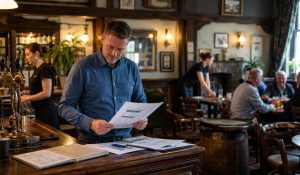
Stonegate’s transformation programme is one of the largest restructuring initiatives currently underway in the UK hospitality industry. The strategy focuses on shifting a greater proportion of venues from managed operations into leased, tenanted, and operator-led formats.
What Is the Difference Between Managed, Leased and Tenanted Pubs?
Under a managed model, the pub company directly operates the venue and assumes responsibility for staffing, operational costs, and day-to-day management.
In a leased or tenanted arrangement, operators run the business independently while paying rent and often purchasing products through supplier agreements. This approach transfers much of the commercial risk from the pub company to the operator.
The table below highlights the key differences.
| Operating Model | Main Operator | Financial Risk | Revenue Source for Pub Company |
| Managed Pub | Pub company | Higher | Direct trading profits |
| Leased Pub | Independent operator | Shared | Rent and supply agreements |
| Tenanted Pub | Tenant | Higher for tenant | Rent and tied products |
Understanding these distinctions helps explain why restructuring can generate both opportunities and concerns among publicans.
Why Are Publicans Concerned About Repairs, Rent and Beer Pricing?
Several operators have raised concerns regarding practical business issues that affect profitability.
Key areas frequently discussed include:
- Repair and maintenance response times.
- Rent obligations during difficult trading periods.
- Tied beer pricing arrangements.
- Rising utility and operating costs.
- Cash-flow pressures linked to reduced footfall.
These concerns demonstrate that operational support remains a critical factor in maintaining successful long-term relationships between pub companies and operators.
“Strong operator partnerships depend on clear communication, timely maintenance, and sustainable commercial arrangements.” — UK Hospitality Industry Consultant
While Stonegate maintains that its strategy is delivering positive results, some operators continue to question whether the transition places too much responsibility on individual publicans.
What Role Does Stonegate’s Debt Play in Its Business Disputes?
Financial pressure remains one of the most significant factors influencing Stonegate’s business decisions. Reports indicate that the company continues to carry billions of pounds in debt, creating substantial financing obligations.
High debt levels can affect strategic flexibility, investment decisions, and relationships with lenders. As a result, Stonegate has explored measures including asset sales, estate optimisation, and potential refinancing options.
The following table summarises some of the key financial considerations influencing the group’s strategy.
| Financial Factor | Potential Impact |
| Debt obligations | Increased financing costs |
| Asset disposals | Raises capital and improves liquidity |
| Refinancing efforts | Extends financial flexibility |
| Estate restructuring | Supports operational efficiency |
| Investor confidence | Influences future funding options |
These financial realities provide important context for understanding many of the company’s current business decisions. Ultimately, the success of Stonegate’s restructuring efforts may depend on its ability to balance growth ambitions with debt management.
Why Is Stonegate Suing Marsh Over Business Interruption Insurance?

One of the most significant legal disputes involving Stonegate concerns an £85 million negligence claim against insurance broker Marsh.
The claim centres on allegations that certain Stonegate subsidiaries were not properly included within a business interruption insurance policy arranged before the Covid-19 pandemic. As a result, the subsidiaries argue they were unable to recover losses that might otherwise have been insured.
The Earlier Covid Insurance Claim
Stonegate previously pursued a major business interruption claim against insurers after pandemic restrictions forced widespread venue closures.
The litigation became one of the UK’s most closely watched Covid insurance cases due to the scale of losses involved and the complex legal questions surrounding policy wording and liability limits.
The Broker Negligence Allegation
The current action differs from the earlier insurer dispute. Instead of challenging insurers directly, Stonegate subsidiaries allege that the insurance arrangement itself was flawed because the policy structure failed to include all relevant entities.
Why Group Insurance Policies Matter?
Large hospitality groups often operate through multiple corporate entities. Ensuring every entity is correctly identified within insurance arrangements is essential because coverage may depend on how policies are structured and worded.
“Complex corporate structures require equally robust insurance arrangements. Small administrative errors can create substantial financial exposure.” — Commercial Insurance Specialist
The outcome of the case could have implications not only for Stonegate but also for other businesses operating through multiple subsidiaries. Regardless of the final judgment, the dispute highlights the importance of carefully reviewing insurance coverage across entire corporate groups.
How Do UK Hospitality Pressures Add to Stonegate’s Challenges?
Stonegate’s difficulties cannot be viewed in isolation from wider industry trends. The UK hospitality sector continues to face a combination of economic and behavioural changes that affect operators of all sizes.
Inflation, energy costs, wage increases, and changing consumer habits have altered the economics of running pubs, bars, and nightclubs. Younger consumers are also drinking less alcohol than previous generations, contributing to changing patterns of demand within the late-night economy.
Industry experts have argued that some traditional hospitality formats must continue evolving to remain relevant in an increasingly competitive market. These broader pressures add another layer of complexity to Stonegate’s transformation efforts and influence the commercial performance of venues across its estate.
What UK Rules and Processes Matter in Stonegate-Style Pub Disputes?
Several legal and regulatory frameworks can become important when disputes arise between pub companies, operators, insurers, landlords, and brokers.
Commercial lease agreements often play a central role, as they define responsibilities relating to maintenance, repairs, rent arrangements, and property obligations. When disagreements occur, contract wording can significantly influence liability and outcomes.
Key areas that commonly affect disputes include:
- Commercial leases: Clarify repair obligations, rent terms, and operational responsibilities.
- Insurance regulations: Brokers must follow professional standards and regulatory requirements.
- Industry rules: Sector-specific regulations aim to protect tenants and operators.
The hospitality sector is also shaped by the Pubs Code and related regulations designed to encourage fair treatment. Understanding these frameworks can help operators better manage risks, responsibilities, and potential disputes.
What Can Publicans and Hospitality Businesses Learn from Stonegate’s Disputes?
The various Stonegate disputes provide valuable lessons for hospitality businesses across the UK.
Operators should ensure that maintenance responsibilities are clearly documented and that communication channels for reporting issues are properly established. Businesses should also regularly review insurance arrangements to confirm that all relevant entities and locations are covered appropriately.
Risk management has become increasingly important as hospitality operators navigate economic uncertainty, changing consumer behaviour, and evolving legal obligations.
“The most effective hospitality businesses treat risk management as an ongoing process rather than a one-time compliance exercise.” — Hospitality Risk Adviser
By learning from high-profile disputes, operators can strengthen resilience and reduce the likelihood of facing similar challenges in the future.
Is This the Last Throw of the Dice for Britain’s Biggest Pub Group?
Stonegate’s future remains closely watched across the UK hospitality sector. While its transformation strategy has shown positive signs, particularly through expanding formats like Craft Union, questions remain around debt management, operational performance, and long-term sustainability.
Investors, lenders, landlords, and operators continue monitoring whether restructuring efforts will deliver enough returns to support future growth. Ongoing legal disputes and operational challenges also remain key indicators of stability.
Whether this becomes the “last throw of the dice” for Britain’s biggest pub group is still uncertain, but Stonegate’s journey reflects the wider pressures facing large hospitality businesses in an evolving market.
Conclusion
The Stonegate Pub Group business disputes highlight the complex challenges facing Britain’s largest pub operator in 2026. From the Carlisle nightclub conflict and operator concerns to major insurance litigation and significant debt pressures, the company is navigating a critical period of transformation.
While its restructuring strategy aims to strengthen long-term performance, the outcome remains uncertain.
For publicans, investors, and hospitality businesses, Stonegate’s experience offers valuable lessons in risk management, operational resilience, and strategic adaptation.
Frequently Asked Questions
Is Stonegate Group the UK’s largest pub company?
Yes. Stonegate is widely recognised as the UK’s largest pub operator, managing more than 4,000 venues across England, Scotland and Wales.
Who owns Stonegate Pub Group?
Stonegate is owned by private equity firm TDR Capital, which has supported the group’s expansion and restructuring initiatives.
What is a tied pub agreement and how does it work?
A tied pub agreement typically requires operators to purchase certain products, such as beer, from designated suppliers linked to the pub company.
Can pub tenants challenge maintenance or repair issues?
Yes. Tenants can raise concerns through contractual processes and, depending on circumstances, may pursue dispute resolution procedures if issues remain unresolved.
What is business interruption insurance in the hospitality sector?
Business interruption insurance is designed to compensate businesses for lost income and certain expenses when operations are disrupted by covered events.
Why are younger consumers changing the late-night economy?
Research shows that younger generations are generally consuming less alcohol and seeking different social experiences, influencing demand across bars and nightclubs.
How do debt restructuring plans affect pub operators and landlords?
Restructuring initiatives can impact lease arrangements, rent discussions, investment priorities and the overall operating model used by pub groups.