

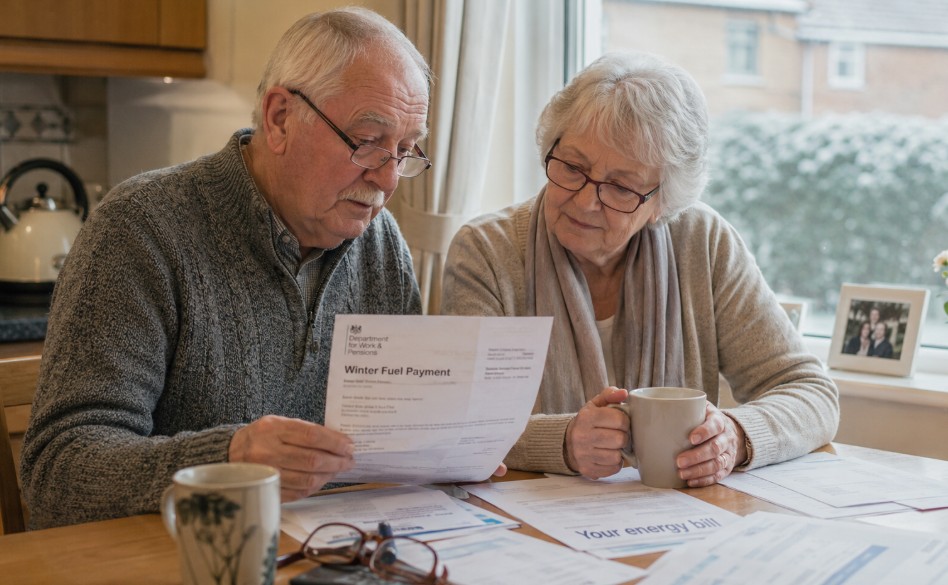
Millions of retirees across the UK are expected to receive financial support through the DWP Winter Fuel Payment scheme, with eligible pensioners receiving between £200 and £300 during winter 2026.
However, the payment is no longer universal, and updated eligibility rules now determine who can keep the support and who may need to repay it through tax adjustments.
Key points:
- Eligible retirees could receive £200 or £300 automatically
- The payment mainly supports winter heating costs
- Pensioners born on or before 27 June 1960 may qualify
- Income above £35,000 could trigger repayment through HMRC
- Most payments are expected between November and December 2026
Understanding the latest DWP £200 pensioner eligibility rules is essential for retirees planning their finances during the colder months.
What Is the DWP £200 Pensioner Payment?
The DWP £200 pensioner payment refers to the Winter Fuel Payment offered to eligible state pensioners across England and Wales. The payment is designed to help older households manage rising heating costs during winter, particularly at a time when energy bills remain high for many retirees.
Unlike previous years, the scheme is now means-tested through an income threshold. While millions of pensioners still qualify automatically, not every person over State Pension age will receive or retain the payment.
The Department for Work and Pensions has confirmed that qualifying pensioners can receive between £200 and £300 depending on age and household circumstances. Most recipients do not need to submit a claim because payments are generally issued automatically.
“Nine million pensioners across England and Wales will benefit from the Winter Fuel Payment hitting their bank account.” — Torsten Bell, Minister for Pensions
The payment remains separate from the annual State Pension increase under the Triple Lock system, which often causes confusion among retirees.
Who Qualifies for the DWP £200 Pensioner Eligibility Rules?
To qualify for the Winter Fuel Payment for winter 2026–27, pensioners must meet specific age and residency conditions set by the DWP.
Which Birth Dates Make You Eligible for the Winter Fuel Payment?
The DWP states that pensioners born on or before 27 June 1960 may qualify for the payment. Eligibility is also assessed during the qualifying week, expected to fall between 21 and 27 September 2026.
Eligibility Overview:
| Eligibility Requirement | Details |
| Date of birth | Born on or before 27 June 1960 |
| Residency | Must live in England or Wales |
| Qualifying week | 21–27 September 2026 |
| Payment method | Automatic for most pensioners |
| Income rule | Over £35,000 may trigger repayment |
These rules help the Government determine which households need additional support during winter.
Can Pensioners in Scotland or Northern Ireland Receive the £200 Payment?
Pensioners in Scotland or Northern Ireland may receive support through separate schemes managed by devolved governments, rather than the DWP Winter Fuel Payment system used in England and Wales. This is important because the rules may not be identical across the UK.
Retirees should check the guidance for their own location before expecting automatic payments.
For example, a pensioner in Birmingham may qualify under England’s rules and receive payment automatically, while relatives in Scotland may follow different arrangements. Regional differences can easily cause confusion for pensioners.
When Will Pensioners Receive the £200 DWP Payment?
The DWP has indicated that Winter Fuel Payments for eligible retirees are expected to be issued between November and December 2026. In some cases, payments may continue into January depending on processing schedules.
Most pensioners receive a notification letter before the payment arrives. The letter typically explains:
- The amount being paid
- How the payment was calculated
- The expected payment date
- Whether any action is required
Pensioners are advised not to panic if the payment does not arrive immediately at the start of November, as payments are processed in stages throughout the winter period.
The Government has also warned recipients to stay alert to scam text messages or emails claiming to offer faster access to Winter Fuel Payments.
“Payments are being issued automatically throughout November and December, so there’s no need for concern if yours hasn’t arrived yet.” — Department for Work and Pensions guidance
The staged payment process allows the DWP to handle millions of pensioner payments across the country efficiently.
How Much Will You Get Through the Winter Fuel Payment?
The amount you receive through the Winter Fuel Payment depends on your age and household circumstances during the DWP’s qualifying week.
For most eligible pensioners, the payment will either be £200 or £300, with older households receiving the higher amount to help manage increased heating costs during winter.
The DWP uses age-based criteria alongside living arrangements to calculate the final payment. While many retirees receive the standard amount automatically, some households may receive reduced or shared payments depending on their circumstances.
Why Do Some Pensioners Receive £300 Instead of £200?
Pensioners aged under 80 generally receive £200, while households containing someone aged 80 or above may receive £300.
Payment Rates by Age:
| Age Category | Typical Payment |
| Under 80 | £200 |
| Aged 80 or over | £300 |
The higher payment reflects the increased heating and health-related costs often experienced by older pensioners during winter months.
Will Your Household Circumstances Affect the Payment Amount?
Yes, living arrangements can affect how much support a pensioner receives. Shared households, care home residency, or receiving certain benefits may alter the amount awarded.
Factors that may influence payment levels include:
- Whether you live alone or with another eligible pensioner
- If you receive Pension Credit
- Whether you stayed in hospital during the qualifying week
- Care home arrangements funded by public money
The DWP reviews household conditions carefully before confirming final payment amounts. Pensioners should therefore ensure their details remain updated with relevant government departments.
Does the £35,000 Income Rule Affect Your DWP £200 Pensioner Eligibility?
One of the biggest changes to the Winter Fuel Payment system is the introduction of the £35,000 income threshold.
Pensioners earning above this amount may still receive the payment initially, but HMRC can later recover the money through the tax system.
Income Assessment Summary:
| Income Level | Outcome |
| Below £35,000 | Payment kept in full |
| Above £35,000 | Payment recovered through tax |
| Self Assessment taxpayers | Repayment added to tax return |
| PAYE taxpayers | Tax code adjustment possible |
This means the payment is no longer considered a universal pensioner benefit. Instead, the Government aims to target support toward lower and middle-income retirees.
“Targeting winter fuel payments was a tough decision, but the right decision because of the inheritance we had been left by the previous government.” — Rachel Reeves, Chancellor
The rule has sparked debate among economists and pension campaign groups, particularly around fairness for middle-income retirees with rising energy costs.
Even so, the Government argues that directing support toward lower-income households makes the system more sustainable over the long term.
Do You Need to Apply for the DWP £200 Pensioner Payment?
For most eligible pensioners, no application is necessary. The DWP and HMRC use existing benefit and pension records to issue payments automatically.
However, first-time claimants or pensioners who recently moved abroad and returned to the UK may occasionally need to contact the Pension Service to confirm details.
Many retirees receive the payment directly into the same bank account used for their State Pension. This automatic process reduces delays and administrative pressure for older households.
Pensioners should still review any official correspondence carefully to ensure their personal details remain accurate and up to date.
Who Will Not Be Eligible for the £200 Pensioner Payment?
Not every pensioner will qualify for Winter Fuel Payments under the updated DWP rules.
The following groups may not be eligible:
- Pensioners living outside England and Wales
- Individuals in hospital receiving free treatment for the entire qualifying week
- Prisoners during the qualifying period
- People whose immigration status restricts access to public funds
- Higher-income pensioners subject to repayment rules
The Government uses these restrictions to focus support on households considered most in need of winter assistance.
Retirees who believe they were wrongly excluded should contact the Pension Service for clarification before assuming a final decision has been made.
How Is the £200 Payment Different from the State Pension Increase?
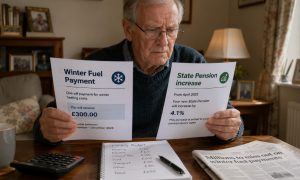
Many retirees confuse the Winter Fuel Payment with the annual State Pension increase under the Triple Lock policy. However, these are entirely separate forms of financial support.
The Triple Lock guarantees yearly pension increases based on whichever is highest among:
- Inflation
- Wage growth
- 2.5%
For 2026, some older pensioners saw annual increases worth nearly £440 due to wage growth calculations. This rise affects regular pension income rather than winter heating support.
State Pension increases are paid through normal pension instalments, whereas Winter Fuel Payments arrive separately during colder months.
Understanding this distinction helps retirees manage expectations and budget more accurately throughout the year.
What Should You Do If Your DWP Payment Does Not Arrive?
Pensioners who do not receive their payment by January should first check whether they meet all eligibility requirements. In many cases, delays happen because of banking updates or processing schedules.
Retirees may need to:
- Check recent DWP letters
- Confirm bank account details
- Review residency and income status
- Contact the Winter Fuel Payment Centre
It is important not to share personal details with unofficial callers or suspicious websites while trying to resolve payment issues.
The safest approach is always to use official GOV.UK guidance or verified DWP contact channels.
How Can You Avoid DWP Winter Fuel Payment Scams?
Scammers often target pensioners during Winter Fuel Payment periods through fake texts, emails, calls or websites.
These messages may claim that extra details are needed to release a payment, but they are designed to steal personal or financial information.
Warning Signs of Winter Fuel Payment Scams
- Requests for full banking passwords or PIN numbers.
- Messages asking for payment processing fees.
- Links to suspicious websites claiming to verify eligibility.
- Calls pressuring pensioners to share personal details quickly.
- Fake websites pretending to offer Winter Fuel Payment updates.
Pensioners should only use official GOV.UK guidance or trusted advisers when checking payment details.
If a message looks suspicious, avoid clicking links and contact the relevant department directly through official contact details.
Final Thoughts on DWP £200 Pensioner Eligibility
The DWP £200 pensioner eligibility rules have changed in recent years, especially with income-based repayment measures.
While many retirees in England and Wales may still receive Winter Fuel Payments automatically, not every pensioner will qualify under the revised rules.
For eligible households, the £200 or £300 payment can help with higher winter heating costs. Pensioners should check qualifying dates, income thresholds and official DWP guidance to stay updated and plan their finances with more confidence.
FAQs About DWP £200 Pensioner Eligibility
Can couples both receive a Winter Fuel Payment?
In some households, couples may share a payment depending on age, benefits, and living arrangements. The DWP calculates payments individually and by household circumstances.
Will pensioners on Pension Credit automatically qualify?
Most pensioners receiving Pension Credit are usually included automatically in the Winter Fuel Payment system if they meet the age and residency rules.
Can you receive the payment if you recently moved home?
Yes, but pensioners should update their address and banking details with the DWP promptly to avoid payment delays.
Does the payment count as taxable income?
The payment itself is not usually taxed directly, but pensioners earning above £35,000 may repay the amount through HMRC tax adjustments.
What happens if you are in hospital during the qualifying week?
Pensioners receiving free hospital treatment for the entire qualifying week may not qualify for the payment.
Can expats claim the DWP Winter Fuel Payment?
Most pensioners living permanently outside England and Wales will not qualify under the current rules.
How can pensioners update their payment details with the DWP?
Retirees can contact the Pension Service or update relevant information through official GOV.UK channels.