


The news that four UK travel firms collapsed in the early months of 2026 has created concern for holidaymakers across the country. These closures have resulted in cancelled trips, disrupted plans, and uncertainty around refunds.
While the UK travel industry continues to operate, these events highlight how external pressure, rising costs, global instability, and changing demand- can affect even established businesses. Understanding what happened and how it impacts travellers is essential for making informed decisions moving forward.
What Happened in the Four UK Travel Firms Collapse?
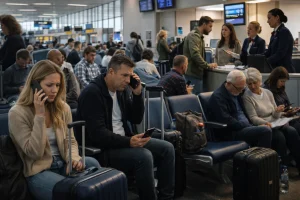
In January and early February 2026, four British travel companies ceased trading:
- Regen Central Ltd
- Gold Crest Holidays
- Asiara UK
- Simply Florida
Each company shut down under different circumstances, with varying levels of customer protection in place. For many travellers, this has meant cancelled holidays and uncertainty about recovering payments.
The timing of these closures reflects broader instability in the travel sector, particularly during a period of rising costs and global uncertainty.
Why Did These Travel Firms Collapse?
Several key pressures have contributed to the collapse of these firms.
Rising aviation fuel costs, linked to geopolitical tensions such as the Iran crisis, have increased the cost of operating travel services. At the same time, international travel warnings have affected demand and created uncertainty in booking patterns.
Businesses are also still dealing with the long-term financial impact of the COVID-19 pandemic. Reduced revenue during that period, combined with ongoing cost increases and changing supplier relationships, has made recovery difficult for some companies.
Industry observers have warned that if these conditions continue, additional travel firms may face similar financial pressure.
Several key pressures have contributed to the collapse of these firms in early 2026. The ongoing Iran crisis has triggered a sharp rise in aviation fuel costs, significantly increasing the overhead for operators like Regen Central and Simply Florida.
This geopolitical instability, combined with international travel warnings, has created unpredictable booking patterns that many smaller firms could not survive.
Beyond general economic pressure, some closures were driven by internal shifts. For Gold Crest Holidays, the collapse wasn’t just due to general inflation; it was a strategic change in key supplier and partner relationships.
After 30 years in business, these shifting industry dynamics, coupled with the long-term financial “hangover” of the Covid-19 pandemic, made their traditional operating model unsustainable.
A Closer Look at the Four Collapsed Travel Companies
1. Regen Central Ltd
Regen Central Ltd entered liquidation in January 2026, leading to the cancellation of all trips.
The company, originally established in Hertfordshire in 2011 before relocating to London, had its ATOL protection removed on January 13. At the time of its collapse, the Civil Aviation Authority confirmed there were no outstanding ATOL-protected bookings.
This meant that customers who had booked trips—particularly those involving accommodation-only or flight-only arrangements—were not covered by standard financial protection schemes. As a result, some travellers were left without refunds.
The absence of protected bookings suggests the company may have already been winding down operations prior to entering liquidation.
Consumer Alert – The Refund Risk for Regen Central
Warning for Regen Central Customers: Unlike the other firms in this collapse, Regen Central presents a significantly higher risk of financial loss for travellers. The Civil Aviation Authority (CAA) confirmed that the company had no outstanding ATOL-protected bookings at the time it ceased trading.
Why You Might Not Get a Refund from the CAA?
If you booked with Regen Central, you are likely not covered by the standard ATOL protection scheme if your trip fell into these categories:
- Accommodation-Only Bookings: If you booked a hotel or villa without a flight, ATOL does not apply.
- Flight-Only Purchases: If you were issued a ticket immediately upon payment, the CAA generally considers the contract fulfilled, even if the travel agency later collapses.
- Non-Package Travel: Any arrangements that were not part of a legally defined “package holiday” (flight + accommodation/car hire booked together) fall outside automatic financial protection.
What to Do if You Are Unprotected?
Because the company entered liquidation with no protected bookings, customers in these categories are considered “unsecured creditors.” To recover your money, you should immediately:
- Contact your bank: If you paid by credit card, request a Section 75 claim (for amounts over £100).
- Debit card holders: Inquire about a Chargeback request, though this is not a legal guarantee like Section 75.
- Insurance Review: Check if your travel insurance policy includes “Scheduled Airline Failure” or “End Supplier Failure” coverage.
2. Gold Crest Holidays
Gold Crest Holidays, a family-run coach operator based in West Yorkshire, ceased trading on January 23 after more than 30 years in business.
The company cited several reasons for its closure, including:
- The lasting effects of the COVID-19 pandemic
- Changes in supplier relationships
- Rising operational costs
All future departures were cancelled immediately. However, customers in this case have a clearer path to refunds, as bookings are protected under the ABTA bond scheme. The travel association is managing claims for affected customers.
3. Asiara UK
Asiara UK, previously known as Haivenu Tours, stopped trading on January 21.
The Ipswich-based company specialised in travel to destinations such as China, Thailand, and India. According to Protected Trust Services, the firm had no forward bookings at the time it ceased operations.
Two days later, on January 23, the business was formally dissolved through a voluntary strike-off process. Because there were no active bookings, customer disruption in this case was limited.
4. Simply Florida
Simply Florida, a Glasgow-based travel agency, ceased operations on January 20.
The company focused on trips to popular destinations, including:
- Disney theme parks
- Universal Studios
- New York
- Niagara Falls
- Toronto
Unlike some of the other firms, Simply Florida maintained ATOL protection at the time it stopped trading. This means customers with existing bookings are expected to receive refunds through the protection scheme.
The company had already applied to be removed from the Companies House register in October of the previous year, indicating a planned closure process.
What Happens When a Travel Company Collapses?
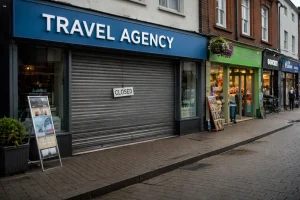
When a travel company ceases trading, the impact on customers depends largely on the type of booking and whether financial protection applies.
| Booking Type | Likely Outcome | Immediate Next Step |
| ATOL-protected package | Full refund or repatriation if already abroad. | Contact CAA Claims: Email claims@caa.co.uk for Regen Central or Simply Florida cases. |
| ABTA-protected booking | Full refund processed through the bond scheme. | Submit ABTA Claim: Use the official ABTA portal for Gold Crest Holidays. |
| Flight-only or Accommodation-only | High risk of being unprotected. | Financial Recovery: Contact your credit card provider for a Section 75 claim or your bank for a Chargeback. |
| Independent bookings | Recovery depends on individual policies. | Review Insurance: Check for “Scheduled Airline Failure” or “End Supplier Failure”. |
In most cases, holidays are cancelled immediately, and customers must begin the refund process through the relevant scheme or provider.
Immediate Action Guide & Contact Details
If you have been affected by these closures, use the following directory to start your refund claim immediately. Having your booking reference and payment receipts ready will speed up the process.
1. Regen Central Ltd (including One Haji and Umrah)
Because Regen Central had its ATOL protection removed shortly before liquidating, the Civil Aviation Authority (CAA) is overseeing the fallout.
- Who to contact: The CAA.
- Email for claims: claims@caa.co.uk
- Important Note: If you booked flight-only or accommodation-only, you may not be covered by ATOL and should contact your bank immediately.
2. Gold Crest Holidays
As a long-standing member of ABTA, Gold Crest Holidays has a structured refund path for all future departures that were cancelled.
- Who to contact: ABTA (The Travel Association).
- Action Required: Visit the ABTA Claims Portal on their official website to submit your booking details.
- Phone Support: Check your booking confirmation for the specific ABTA bond number to include in your claim.
3. Asiara UK (formerly Haivenu Tours)
While this firm had no forward bookings at the time of dissolution, any historical queries regarding their cessation are handled through their trust provider.
- Who to contact: Protected Trust Services (PTS).
- Direct Email: emma.collis@protectedtrustservices.com
- Status: The business was formally dissolved on January 23, 2026.
4. Simply Florida
Despite the planned closure, Simply Florida maintained ATOL protection, and claims are being processed through the Travel Trust Association (TTA) frameworks.
- Who to contact: The Travel Network Group / TTA.
- Direct Email: customerservices@thetravelnetworkgroup.co.uk
- Expected Outcome: Most customers with existing bookings are expected to receive full refunds through these schemes.
Why Some Travellers Were Not Protected?

The collapse of Regen Central Ltd highlights an important issue: not all travel bookings are protected.
Bookings that fall outside ATOL protection include:
- Accommodation-only bookings
- Flight-only purchases
- Non-package travel arrangements
Travellers who booked these types of trips may not have access to automatic refunds, making recovery more difficult.
This distinction is critical, as many travellers assume all bookings include protection when they do not.
What Does This Mean for Travellers?
The four UK travel firms collapse situation reinforces the importance of understanding booking protection before making travel arrangements.
For affected customers, the experience can involve:
- Cancelled holidays
- Delays in receiving refunds
- Confusion about rights and next steps
However, where protection schemes such as ATOL or ABTA apply, there is a structured process in place to help recover funds.
What Does This Mean for the UK Travel Industry?
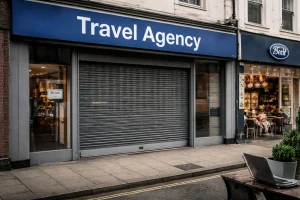
These recent closures reflect ongoing pressure within the travel sector rather than a complete industry decline.
The UK travel market continues to see strong demand, but businesses must now navigate:
- Higher operating costs
- Global uncertainty
- Changing customer behaviour
Smaller or specialised firms may be more vulnerable to these pressures, while larger or well-established companies are better positioned to adapt.
How Travellers Can Protect Themselves?
To reduce risk when booking travel, several practical steps can help:
- Choose ATOL-protected package holidays where possible
- Check whether bookings are covered by ABTA
- Use credit cards for added payment protection
- Review travel insurance policies carefully
- Keep all booking documentation organised
These actions can significantly improve the chances of recovering money if a travel company collapses.
The “Section 75” Safety Net: What to Do if You Aren’t Protected
If you booked with a firm like Regen Central, where ATOL protection may not apply to your specific trip, you are not necessarily out of luck. One of the most powerful tools for UK travellers is the Consumer Credit Act.
The Section 75 Rule: If you paid for even a portion of your holiday (between £100 and £30,000) using a credit card, your card provider is legally “jointly and severally liable” for the breach of contract.
Why it matters: If the travel firm collapses and cannot provide the service or a refund, your credit card company must refund you.
Chargeback for Debit Cards: If you paid by debit card, you aren’t covered by Section 75, but you can still ask your bank for a “Chargeback.” While not a legal requirement like Section 75, many banks will successfully claw back funds from the collapsed company’s bank if you act quickly.
Conclusion: Understanding the Impact of Four UK Travel Firms Collapse
The news that four UK travel firms collapse in early 2026 highlights the challenges facing parts of the travel industry. While these events have caused disruption, they also underline the importance of financial protection and informed booking decisions.
For travellers, the key takeaway is not to avoid travel, but to approach it with greater awareness. By understanding how protection schemes work and choosing secure booking options, holidaymakers can continue to plan trips with confidence.
Frequently Asked Questions (FAQs)
What should you do if your travel company stops trading before your holiday?
You should check your booking protection and contact the relevant scheme or administrator to begin the refund process.
Are all travel bookings automatically protected in the UK?
No, only certain types of booking, such as ATOL-protected packages, include automatic financial protection.
Can you lose money if a travel firm collapses?
Yes, particularly if the booking is not covered by a protection scheme or insurance.
What is the difference between ATOL and ABTA protection?
ATOL covers flight-inclusive packages, while ABTA typically covers non-flight package holidays and coach trips.
How long does it take to receive a refund after a collapse?
It can take several weeks depending on the scheme and claim volume.
Are more UK travel companies at risk of collapsing?
Some industry observers believe additional firms could face pressure if current economic conditions continue.
Is it still safe to book holidays in 2026?
Yes, provided travellers check protection schemes and choose reputable providers.