

A recruiter said something recently that stuck around. “Startups lose more people in the first month than they realise, and its almost never about the salary”.
She was talking about a fintech company that had lost two senior hires within six weeks. Both gave vague reasons. Both, it turned out later, had complained to colleagues about the same thing. Not the work. Not the culture. The tech.
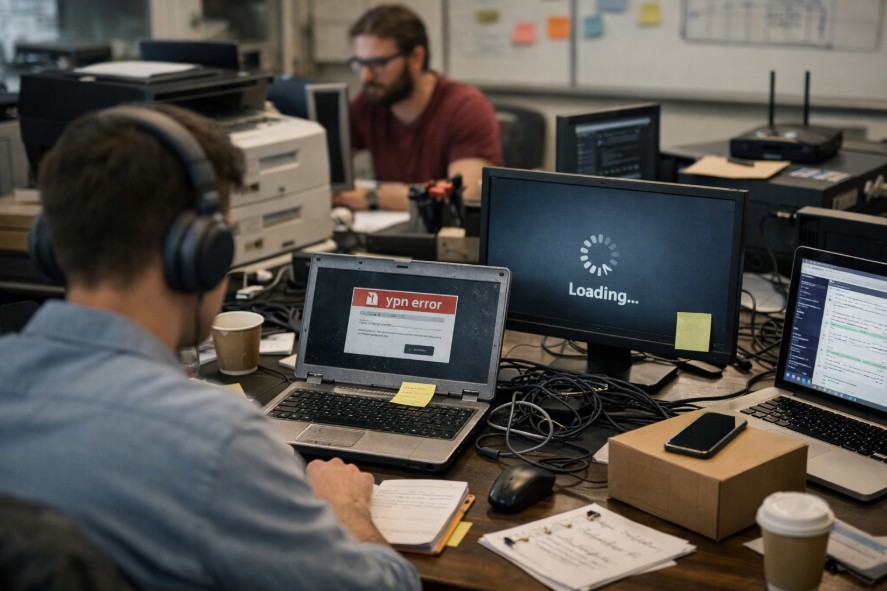
Which… sounds almost too mundane to be true? But apparently this is a pattern. Someone joins a growing startup expecting energy and ambition, and instead they get a janky VPN, a shared laptop, and an onboarding doc last updated during lockdown.
First impressions cut both ways. And startups, particularly the ones hiring fast, often forget that the behind-the-scenes stuff shapes how a new person feels about the whole operation.
An outside IT consultancy like Mustard IT can usually untangle this sort of thing pretty quickly. But founders keep getting blindsided by it because, well, they’re focused on closing rounds and shipping product. Understandably.
What Are the 3 Key Things That Put Candidates Off a Job Before Starting in Startups?
Nobody Actually Planned the Onboarding

At five people, onboarding is “sit next to whoever seems least busy.” Fine. Works. But at fifteen? Twenty? What tends to happen is… nothing formal replaces that. Someone creates a Google Doc.
Someone else emails a few links. The new hire spends day one figuring out which Slack channels matter and day two wondering if they’ve made a mistake.
Thats not an exaggeration, by the way. One operations manager at a SaaS startup reportedly described their onboarding as “a scavenger hunt, except nobody tells you what you’re looking for.”
Heres where it gets interesting from a security angle too. The NCSC’s small business guide flags new starters as a genuine vulnerability point. Access permissions get bodged. Devices dont get configured properly. Passwords get shared over WhatsApp because its faster. Which, fair enough, is framed as a cyber risk.
But it maps onto the broader picture. If the tech side of bringing someone in is chaotic, the person notices. They just might not say anything about it until theyre already interviewing elsewhere.
The Tool Sprawl Problem
Nobody talks about this enough.
New hire arrives. Discovers the dev team uses Slack. Marketing prefers Teams. Finance lives in email. Sales runs everything through a spreadsheet that one person built two years ago and nobody else fully understands. Theres a Notion workspace with about forty pages in it, half of them empty.
Nobody decided this. It accumulated. And for someone coming from a company with actual systems, its disorienting. Not dramatically. Just in that low-grade “oh, everything here is going to be harder than it should be” way.
The efficiency tips on this site cover some of the workflow consolidation stuff thats relevant here. Worth a read if any of this sounds familiar.
(Honestly the tool sprawl thing might be the most fixable problem on this list. Its just that nobody assigns themselves the job of fixing it, because its not urgent. Until it is.)
And Then Theres the Infrastructure

Look. This bit sounds trivial. Broadband. Wi-Fi coverage. Whether the printer works. Boring stuff.
But. Computer Weekly covered how UK startups adopt shiny new platforms while basically ignoring the plumbing underneath. And nothing exposes that gap faster than a new hire trying to screenshare on their first client call and the connection dying every three minutes. Thats not a minor inconvenience. Thats someone questioning whether they picked the right company.
Small things stack. A dodgy connection here, a missing software licence there, a printer that only works if you restart it twice. Individually, whatever. Together they paint a picture. And the picture says “we dont really have this under control.”
Final Thoughts
Anyway. Most of this is fixable in a week. Maybe two. The issue isnt difficulty, its priority. Growing startups are focused on revenue and product (rightly) and the operational plumbing just… drifts. Nobody notices until someone good walks out and everyone stands around going “but they seemed happy?”
Yeah. They probably were. Until they werent.