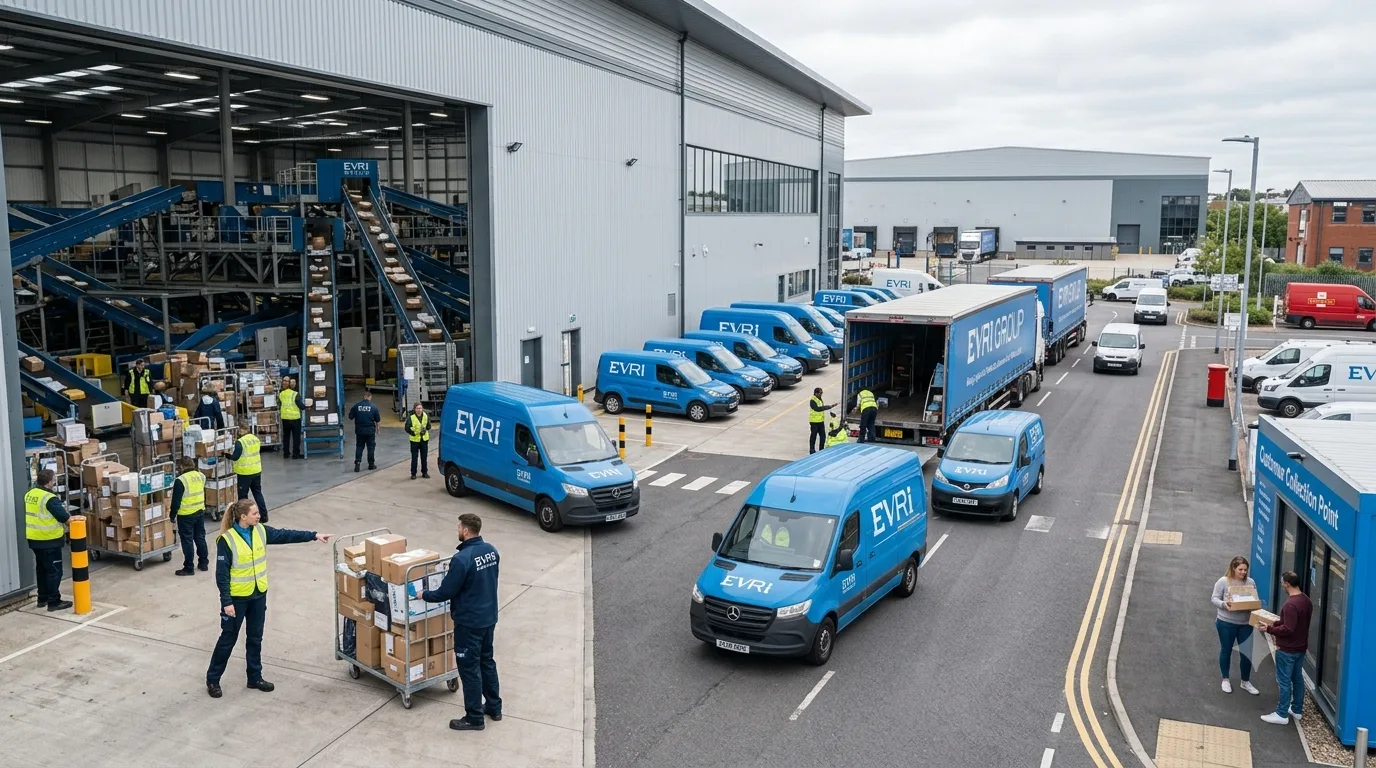


Early-stage startups often operate informally, relying on speed, trust, and small teams to get things done. Decisions are made quickly, systems are lightweight, and accountability is largely intuitive. As the business grows, however, complexity increases across people, assets, schedules, and responsibilities.
What once worked smoothly can begin to strain under scale. Processes become harder to manage, visibility drops, and coordination takes more effort. This transition isn’t a failure of leadership or ambition. It’s a natural point where growing businesses need to regain control by introducing a structure that supports sustainable growth.
Why Scaling Changes How Businesses Need to Operate?

Growth increases coordination demands across teams, locations, and resources. Informal systems that worked with a handful of employees often struggle once headcount and activity expand. Decision-making can slow as responsibilities overlap and information becomes fragmented.
At this stage, scaling is less about doing more and more about doing things differently. Research on scaling as an organisational transformation highlights how growth requires deliberate changes to structure, communication, and accountability rather than simply increasing output.
When Vehicles Become Part of the Complexity?
For many UK scale-ups, vehicles enter the picture as service areas expand or customer reach grows. Delivery vans, service vehicles, or sales fleets often increase alongside headcount, introducing new planning and coordination challenges.
Without clear visibility, vehicles can create inefficiencies rather than enable growth. At this point, they shift from being convenient to operational assets that need structure. Some growing businesses introduce vehicle tracking solutions as one way to bring greater clarity and consistency to how vehicles support day-to-day operations.
Where Telematics Fits Into Scaling Operations?

As part of a scaled operation, telematics has a place on the broader infrastructure rather than serving as a system of oversight for a team of drivers. Data fed into operational processes enables managers to understand that usage schedules and plans must closely align with the scale of growth.
In doing so, businesses are channelled towards more solid, strategic decision-making about their operations, rather than reactive responses to the immediate situation as their headcount grows.
Preparing the Business Before Complexity Compounds
The most resilient scale-ups have the house in order before growth challenges hit. A business that is in alignment between operations, finance, and planning requires less effort to keep it from grinding to a halt as it gets busy.
Guidance on creating the conditions for growth to take hold suggests focusing on identifying cause and effect early, around the areas that will come under pressure. Preemptive work enables businesses to scale from a position of choice, not panic.
Why Sustainable Scale Requires Responsibility and Structure?
Companies have responsibilities to more stakeholders as they grow, employees, customers and regulators included. This maturity makes way for a stronger focus on safety, accountability and consistency for everyday practices.
Health and safety steps for scaling businesses to follow help maintain compliance and keep a lid on sporadic operations. Overall, for long-term durability, scale-ups may find benefits in operating with a bit more structure to ensure sustainability over scalability.