

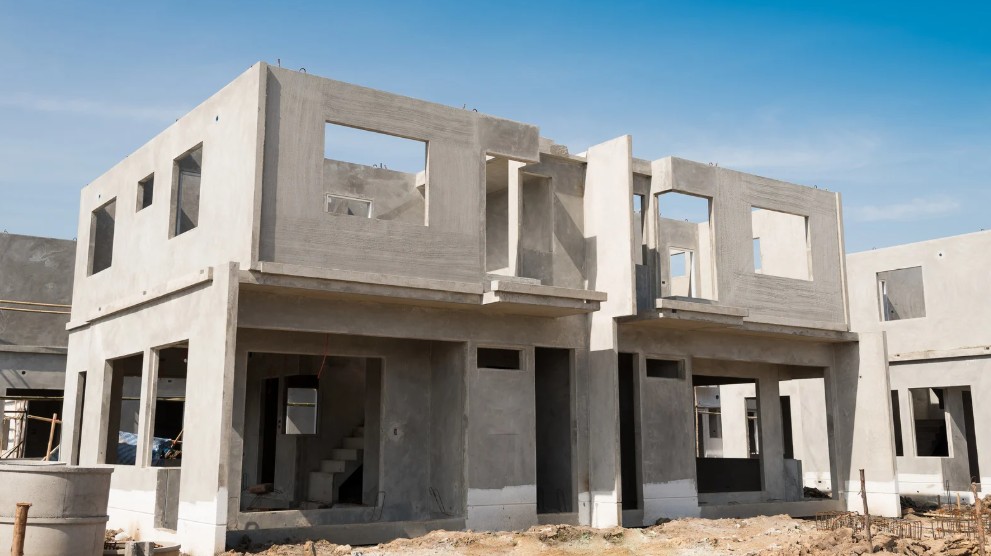
Modern bridge projects face pressure from every direction. Timelines shrink. Safety standards tighten. Urban spaces demand minimal disruption because commuters simply refuse to wait.
The old ways, with their on-site concrete pours and weather-battered schedules, often cannot keep up. Engineers and contractors chase methods that get results without sacrificing safety or quality.
Enter a solution that appears deceptively simple yet utterly reshapes the entire process: components are made elsewhere, then brought in, slotted into place, and finished almost before anyone notices. The result? A faster build with fewer headaches for teams and less frustration for everyone needing to cross that river or railway.
Why Precast Concrete Transforms Modern Bridge Construction?
Precision Off-Site Manufacturing
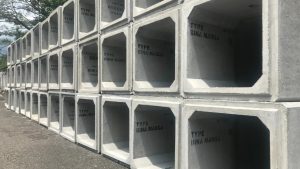
Speed does not have to mean compromise. With factories churning out precast concrete products under tightly controlled conditions, there is far less guesswork than when pouring concrete outside on a rainy morning. Each beam or slab comes pre-tested for strength, exactly as specified by the engineers back at the design phase, so surprises rarely show up on site.
This method virtually eliminates delays due to bad weather because all the tricky curing happens safely indoors long before delivery trucks start rolling towards the construction zone. In addition to consistency and reliability, this approach allows multiple parts of a bridge to be prepared simultaneously instead of sequentially.
Rapid Installation Reduces Disruption
Now picture traffic crawling past an endless construction zone, drivers fuming and detours sprouting like weeds after rain. Traditional buildings drag things out for weeks or months, while each segment must cure under tarps and scaffolding.
Fast-forward to modern methods, crane operators lift gigantic segments made days (or even weeks) earlier into position in a single well-choreographed weekend shift.
Minimal road closures, shorter exposure for workers near live traffic lanes, and everyone breathes easier when bridges can appear seemingly overnight instead of becoming landmarks in gridlock maps.
Safer Working Environments
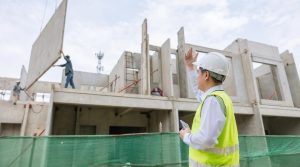
Safety earns its spotlight here. Fewer activities require completion at dangerous heights because large sections arrive nearly finished. Workers spend more time assembling than handling wet materials perched above rushing roads or rivers, a significant reduction in hazard potential right from the start of each day’s tasks.
Less equipment moving chaotically around means fewer chances for mishap. Cranes lift swiftly rather than mixers idling endlessly nearby while temperatures fluctuate unpredictably outdoors. Reliable planning leads to better resource allocation, too, since teams know exactly what arrives next.
Quality That Lasts
Time saved should never come at durability’s expense, and it does not here if done right. Factory settings ensure mix ratios remain exact. Temperature controls help concrete reach its optimum strength every time, which means bridges hold up against decades of stormy British winters or heavy lorries thundering overhead day after day without complaint.
Flaws hiding in corners? It is far less likely that flaws will occur than with unpredictable open-air pours, where problems may only become apparent after costly repairs are needed years later.
Conclusion
The evidence stacks up clearly: building bridges with these advanced modular elements unlocks impressive gains in speed, safety, and overall quality without sacrificing where it matters most.
Old worries about delays tied to fickle weather fade away as project managers watch completion dates draw closer, rather than drift further apart week by soggy week.
For anyone tasked with keeping cities moving forward efficiently but securely, the benefits speak loudly enough that stubborn traditions cannot compete much longer.