


In the business world, not all successful ventures are based on the conventional or predictable. In fact, some of the most profitable ideas began as quirky, bizarre, or downright strange concepts that no one could have predicted would go on to make millions.
These “weird” businesses prove that with the right combination of creativity, timing, and a little bit of luck, even the most unusual ideas can turn into goldmines. Let’s dive deeper into the top 15 weird business ideas that became massive financial successes.
Top 15 Weird Business Ideas That Made Millions
1. Pet Rock
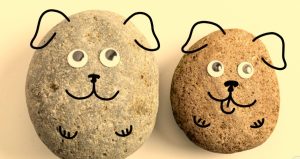
In 1975, Gary Dahl, a California advertising executive, introduced a concept so absurd that it captured the imagination of people everywhere: the Pet Rock. Sold in a cardboard box with breathing holes and straw, it was a rock.
Yes, just a rock. At $4.00 each, it required no care, feeding, or walking, and promised to be the ideal “low-maintenance pet.” Despite or perhaps because of its simplicity, Pet Rocks became a massive fad.
By the end of 1975, Dahl had sold over 1.5 million Pet Rocks, making him a fortune and turning a seemingly ridiculous idea into one of the most lucrative business ventures of the 1970s.
2. Fidget Spinners

Fidget spinners were originally marketed as a tool to help children with ADHD focus, but by 2017, they had become a global craze. These small, hand-held toys feature a spinning mechanism and come in various designs and materials.
Initially targeted at kids with special needs, fidget spinners became a hit for everyone, from office workers to schoolchildren, as a fun way to relieve stress and pass time.
Within just a few months of its peak popularity, manufacturers were struggling to keep up with demand, and millions of units were sold worldwide.
Despite their brief life span in the spotlight, the fidget spinner generated hundreds of millions of dollars in sales.
3. Snuggie

Image – Source
In the world of quirky inventions, the Snuggie stands out as one of the most successful. A simple fleece blanket with sleeves, the Snuggie was introduced in 2008 and became an unexpected sensation thanks to clever infomercial marketing.
While its design was undeniably silly, the Snuggie filled a unique need: a way to stay warm while still being able to move your arms. The product quickly gained traction, with people purchasing the blankets in bulk as gifts or for personal use.
By 2010, Snuggie sales had topped $500 million, and the blanket-with-sleeves became a holiday staple, proving that sometimes, the silliest ideas can spark huge success.
4. Crocs

Crocs are the epitome of “ugly but comfortable.” Initially released in 2002, these rubber clogs were ridiculed for their unconventional design. However, their lightweight, waterproof, and extremely comfortable nature soon won over millions of fans.
Crocs became a global phenomenon, particularly for those who valued comfort over style. Their quirky design and colorful range of options attracted a diverse following, from healthcare professionals to casual wearers.
Today, Crocs continues to be a major player in the footwear industry, with annual revenues exceeding $2 billion and a cult-like following that celebrates the brand’s “ugliness” as part of its charm.
5. Airbnb

At first glance, the concept of renting out a stranger’s home or room might seem strange or even risky. However, the founders of Airbnb, Brian Chesky, Joe Gebbia, and Nathan Blecharczyk, turned this unconventional idea into one of the world’s most valuable tech companies.
What started in 2008 as a way to rent out air mattresses in their San Francisco apartment during a busy conference quickly grew into a global online marketplace for short-term accommodations.
Today, Airbnb is valued at over $100 billion, revolutionizing the way people travel and experience new cities by offering unique, often quirky lodging options.
6. Spam (Canned Meat)

Spam, the canned processed meat, is often the subject of jokes due to its mysterious, gelatinous appearance and unusual ingredients.
Yet, this humble product, which was first introduced by Hormel Foods in 1937, has become a mainstay in many households worldwide.
The key to Spam’s success lies in its affordability, long shelf life, and versatility in cooking. While its reputation as a cheap, emergency food has been both mocked and embraced, Spam has been a global success for decades, with billions of cans sold worldwide.
It remains a beloved part of many cuisines, especially in Hawaii and parts of Asia.
7. Beard Baubles

In 2015, a quirky holiday trend took off when the company Beard Baubles started selling miniature Christmas ornaments designed to be attached to men’s beards.
While the idea seemed absurd at first, it resonated with people looking for a fun and festive way to celebrate the season. The product became a viral hit, with people sharing photos of their bejeweled beards on social media.
Despite its brief window of popularity, the company behind Beard Baubles made a significant profit during the holiday season, showcasing the power of holiday-themed trends and novelty products.
8. Silly Bandz

Silly Bandz, colorful rubber bands in the shape of animals, objects, and letters, became a massive craze in the early 2010s.
Originally sold as a tool for kids to make and trade bracelets, Silly Bandz exploded in popularity, with children (and even some adults) collecting, wearing, and trading the bands in an almost obsessive fashion.
At the height of their popularity, Silly Bandz generated over $100 million in sales, making them one of the most successful toy trends of the decade.
Their success was propelled by both word-of-mouth and social media, and although the fad has since died down, they still remain a nostalgic part of many childhoods.
9. The Shake Weight

Image – Source
The Shake Weight was a fitness device introduced in 2009 that became a viral sensation due to its suggestive appearance and unusual method of use.
The small, dumbbell-like device was marketed as a way to tone and strengthen arm muscles by simply shaking it.
Despite its somewhat dubious effectiveness, the Shake Weight became a huge success thanks to its infomercial campaign, which went viral due to its humorous and risqué nature. The product generated millions in sales and helped to solidify the place of eccentric fitness gadgets in the market.
10. Tamagotchis

Tamagotchis were tiny virtual pets introduced in 1996 by the Japanese company Bandai. The handheld device allowed users to take care of their pet by feeding it, cleaning up after it, and playing with it.
Though the concept was simple, the addictive nature of the Tamagotchi made it a massive success, especially among young children.
At its peak, Tamagotchi sold over 40 million units worldwide, and the product remains a nostalgic piece of 90s pop culture.
11. GoPro

Image – Source
GoPro revolutionized the world of action cameras when it introduced its compact, durable, and waterproof cameras designed for extreme sports enthusiasts.
Founded by Nick Woodman in 2002, GoPro initially struggled to gain traction. However, as more and more athletes, adventurers, and travelers embraced the camera, it became a must-have gadget for capturing high-adrenaline moments.
Today, GoPro is a household name and a market leader, with over $1 billion in annual revenue and a strong brand presence across multiple media platforms.
12. Loom Bands

Loom Bands, small rubber bands that could be woven into intricate designs, became a crafting phenomenon in the early 2010s. Children and even adults embraced the trend, creating everything from bracelets to charms and intricate patterns.
The success of Loom Bands was driven by the accessibility of the product, the ease of use, and the desire for people to show off their creativity.
In 2014, the company behind Loom Bands reported sales of over $200 million, highlighting the lucrative potential of niche crafting products.
13. Zorb
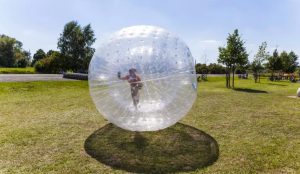
Image – Source
Zorb is a giant inflatable ball designed for people to climb inside and roll down hills, providing a unique and thrilling experience. This odd concept, which originated in New Zealand, became popular in adventure tourism and entertainment.
The Zorb business quickly expanded globally, with people paying to roll in a Zorb at adventure parks and resorts. Today, the Zorb continues to be a popular activity for thrill-seekers, contributing to a multi-million dollar business in the tourism and adventure sectors.
14. The Pet Psychic

Pet psychics, or animal communicators, claim to have the ability to communicate with animals, interpreting their thoughts, emotions, and needs. While many people are skeptical, a handful of pet psychics have turned this strange service into a lucrative business.
One of the most famous pet psychics, Sonya Fitzpatrick, built a successful career by providing consultations for pet owners who wanted to “speak” to their pets.
Appearing on TV shows and offering services to a growing number of pet lovers, pet psychics have found a niche market and made a significant income from their unusual abilities.
15. Poo-Pourri

Poo-Pourri is a pre-toilet spray designed to eliminate odors before they escape the bowl. While the product’s concept is undeniably humorous, it became a viral sensation thanks to clever, often cheeky, marketing campaigns.
The brand capitalized on the embarrassment associated with bathroom odors and turned it into a comedic selling point. Through viral videos and social media marketing, Poo-Pourri generated millions of dollars in sales and proved that even the most taboo topics can be turned into a successful business if marketed with the right blend of humor and creativity.
Conclusion
The businesses listed here show that success doesn’t always follow a straight path. Sometimes, the most unusual, quirky, or outright weird ideas can turn into massive financial successes.
The key to their triumph was often a willingness to embrace the unconventional and an ability to tap into a market niche.
Whether through clever marketing, meeting an unspoken need, or capitalizing on a fleeting trend, these companies prove that sometimes, it’s the weirdest ideas that make the most money. So, the next time you have a strange business idea, don’t dismiss it—there might just be millions to be made!
FAQ
What defines a “weird” business idea?
A weird business idea is typically unconventional, unexpected, or even bizarre in concept—something that initially seems unlikely to succeed yet manages to capture the market’s interest.
How did the Pet Rock make money?
By tapping into a simple, humorous concept and clever marketing, the Pet Rock sold over 1.5 million units in a short time, generating millions of dollars in profit.
Are all strange ideas destined for success?
No. Many odd ventures never gain traction, but those that resonate with consumer emotions or solve a hidden need often turn into profitable hits.
What role does marketing play in these successes?
Clever, memorable marketing often transforms a peculiar idea into a global phenomenon, making the business stand out amid more conventional competitors.
Can fleeting fads still earn big profits?
Absolutely. Trends like fidget spinners may fade quickly, but their explosive popularity can generate substantial revenue before the public’s attention moves on.