
Every founder has met someone who says they’d love to start a clothing brand. Very few follow through, mostly because they assume it means buying sewing machines, hiring a pattern cutter and finding a factory that’ll return their emails. The reality, for a lot of successful small labels, is much simpler, and it starts with a garment someone else has already made.
Here’s how an idea can turn into a product, without a huge upfront bill and without pretending to be something you’re not.
Why Blanks Are the Smart Starting Point?
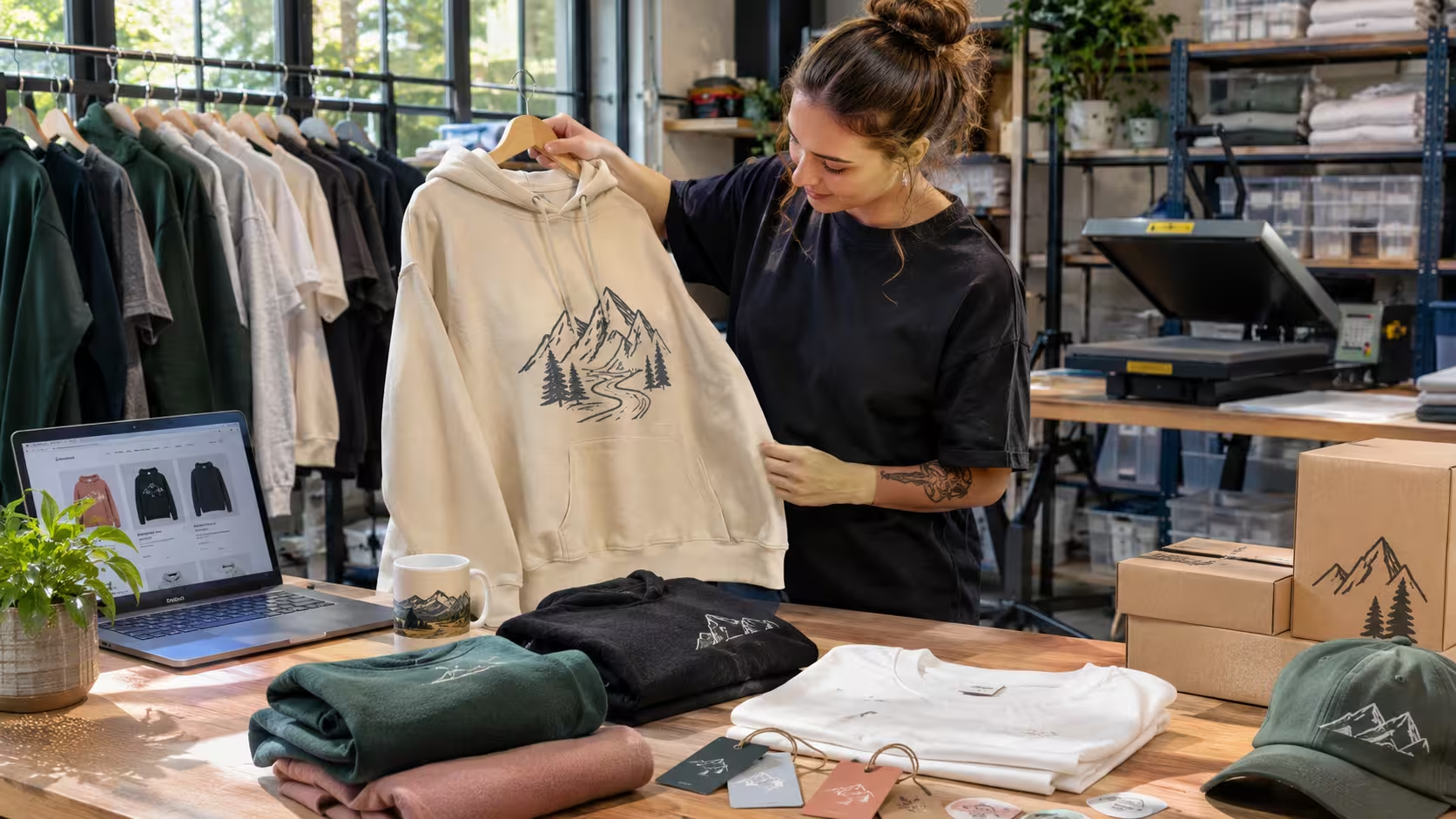
The cheapest way to test a clothing idea is to put your own design on an existing garment. Sourcing plain hoodies for printing lets you focus on the part you’re actually good at, whether that’s illustration, humour, community or a sharp sense of what your audience wants.
You skip the heavy lifting of production and get to market in weeks rather than months. It’s also a sensible way to protect cash. Developing a bespoke garment can cost thousands before a single sale.
A blank plus a print or embroidered logo costs a fraction of that, which means a failed idea is a small setback instead of a business-ending mistake.
Pick One Hero Product
New founders often try to launch a full range: tees, hoodies, caps, tote bags and a notebook for good measure.
Resist that. Choose one hero product and do it properly. A hoodie is a strong candidate because it has a high perceived value, gives you plenty of space for a design and sells well through the colder half of the year.
Focus also makes life easier operationally. One retail product means one set of sizes to track, one supplier relationship to manage and one message to communicate.
You can always widen the range once you’ve learned what your customers value, and you’ll do it from a position of knowledge rather than guesswork.
Keep the colour palette tight, too. Two or three shades are plenty for a first drop, and a limited run creates a bit of urgency that a permanent catalogue never will.
Test Before You Scale
Order a small batch, or even a single sample, before you commit. Wear it, wash it and photograph it. Ask friends who’ll tell you the truth about what they think.
Then put a pre-order page up, or sell at a local unbranded market, and see whether strangers will pay for it. Real purchases tell you far more than compliments do.
If the first run sells, reorder. If it doesn’t, work out why. Was it the design, the price, the fit or the way you talked about it? Small batches make those lessons cheap.
Don’t underestimate the value of photography. Good pictures of the hoodie being worn, in natural light and in realistic settings, will do more to sell it than any amount of clever copy.
Ask a friend with a decent phone to help, use a few different people so customers can imagine themselves wearing it, and show the details, such as the hood, cuffs and print, up close.
The Costs Founders Forget
The price of the garment is only one line in the budget. Decoration, packaging, postage, payment fees, photography and the occasional return all eat into margin.
Add them up before you set a retail price, and be honest about your own time. A product that only works when you’re working for nothing isn’t a business yet.
Returns and exchanges are worth building into your plan too. Clothing gets sent back more than most products, usually because of size, so a clear size guide and honest measurements will save you money and goodwill.
It’s far better to answer a question before an order than to pay postage twice afterwards.
Don’t overlook the legal basics either. If you’re using artwork, fonts or imagery you didn’t create, make sure you’ve got the right to do so, and if you’re trading regularly, check what you need to register with HMRC.

Building the Brand Around It
A hoodie on its own is a product. A hoodie with a story is a brand. Think about why your design exists, who it’s for and what makes someone proud to wear it.
Share the process, the mistakes and the small wins on social media. People like backing founders they feel they know.
Think about packaging, too. A simple branded tag, a handwritten note or a neatly folded hoodie in recyclable wrapping costs very little and turns an ordinary delivery into a moment worth sharing.
Customers who post their unboxing do your business marketing for you, and they’re far more convincing than any advert you could pay for.
Over time, you can bring more of the work in-house, add new products and eventually, if the numbers justify it, move into bespoke manufacturing.
But you don’t need to start there. Plenty of the strongest small brands began with a good idea, a simple garment and the nerve to put it in front of customers.