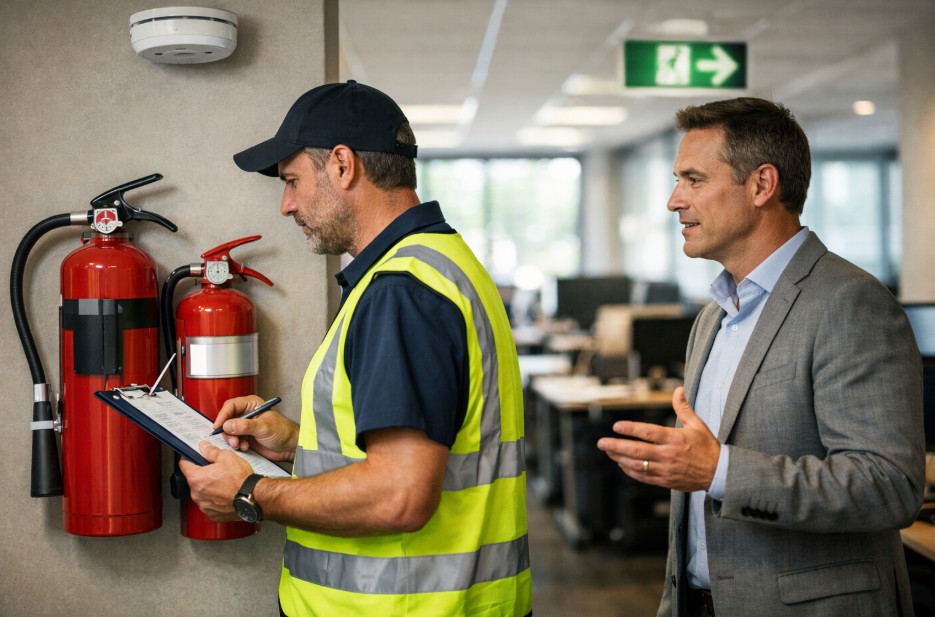
Fire risk assessments for business are an essential part of maintaining a safe and legally compliant workplace. Every organization, whether small or large, faces potential fire hazards that can cause serious injury, financial loss, and reputational damage.
Conducting a thorough fire risk assessment helps businesses identify dangers, implement preventive measures, and ensure the safety of employees, customers, and visitors.
Why Fire Risk Assessments Are Important for Businesses?
A fire risk assessment is a structured evaluation of a workplace to determine possible fire hazards and assess the level of risk they pose. The goal is to minimize or eliminate these risks through effective planning and safety measures.
Businesses are responsible for ensuring that their premises meet fire safety standards and that appropriate precautions are in place at all times.
Key Fire Hazards Businesses Must Identify
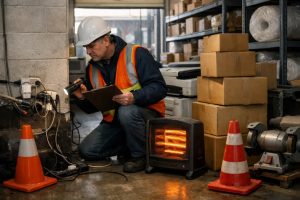
The first step in a fire risk assessment involves identifying potential sources of ignition. These may include electrical equipment, faulty wiring, heating systems, cooking appliances, or machinery that generates heat.
Flammable materials such as paper, chemicals, fabrics, or packaging supplies must also be considered, as they can fuel a fire once ignited. In addition, oxygen sources, including ventilation systems or stored gas cylinders, may increase the intensity of a fire and should be evaluated carefully.
Once hazards are identified, businesses must determine who could be at risk. Employees working in high-risk areas, customers in public spaces, contractors performing maintenance, and visitors unfamiliar with the building layout all need to be considered.
Special attention should be given to vulnerable individuals, such as people with disabilities or limited mobility, who may require additional support during an evacuation.
After assessing hazards and identifying at-risk individuals, the next step is to evaluate existing fire safety measures. This includes checking fire alarm systems, smoke detectors, emergency lighting, fire extinguishers, sprinkler systems, and clearly marked escape routes.
All equipment should be maintained regularly to ensure it functions properly in case of an emergency. Clear signage and unobstructed exits are critical components of an effective evacuation plan.
Fire Safety Measures, Training, and Documentation
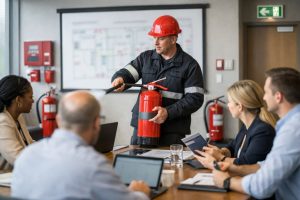
Employee training is another vital aspect of fire risk management. Staff should be aware of evacuation procedures, assembly points, and how to report potential hazards. Regular fire drills help reinforce these procedures and ensure that everyone knows what to do in an emergency. Training also builds confidence, reducing panic and confusion if a real fire occurs.
Documentation is an important part of the assessment process. Keeping written records of identified risks, implemented measures, and maintenance schedules demonstrates compliance and helps track improvements over time. Proper documentation also supports communication between management, safety officers, and employees.
However, a fire risk assessment is not a one-time activity. Businesses evolve, and changes in staff, equipment, layout, or operations can introduce new risks.
That is why reviewing your fire risk assessment regularly is crucial. Regular reviews help ensure that safety measures remain effective and aligned with current workplace conditions.
Final Thoughts
In conclusion, fire risk assessments for business play a vital role in protecting lives and assets. By identifying hazards, implementing strong preventive measures, training employees, and maintaining clear documentation, organizations can significantly reduce the likelihood of fire-related incidents.
A proactive approach to fire safety not only ensures compliance with regulations but also promotes a culture of responsibility and care within the workplace.