
Have you received a decision from the Department for Work and Pensions (DWP) that you believe is wrong or unfair? Do you feel crucial evidence was overlooked, or that the decision doesn’t reflect your situation? If so, the first step to challenge that outcome is through a mandatory reconsideration. This process enables the DWP to re-examine your claim before any formal appeal.
Understanding how and when to request a mandatory reconsideration could make a significant difference in your entitlement to benefits. This guide explains eligibility, procedures, timelines, and next steps if your request is unsuccessful. Whether you’re claiming Universal Credit, PIP, ESA, or another benefit, knowing your rights and responsibilities under this process is essential.
What Is a DWP Mandatory Reconsideration and Who Can Request One?
A DWP mandatory reconsideration is the process by which the Department for Work and Pensions reviews a decision made on a benefit or child maintenance claim. This is the first formal step in challenging a decision and must be completed before taking the matter to a tribunal.
You may request a mandatory reconsideration if you believe that the DWP:
- Has made an error in assessing your application
- Has not taken into account important evidence
- Has made a decision you do not agree with and would like reviewed
Requesting a reconsideration is free of charge and gives the DWP an opportunity to reassess your application with any new or previously unconsidered information.
Most benefit decisions can be reconsidered, but there are exceptions. Some cases must go directly to an appeal, and others are handled under different procedures. The decision letter you receive from the DWP will indicate whether a reconsideration applies to your situation.
Typically, a request must be made within one calendar month of the date on your decision letter. If this period has passed, you may still submit a request if you have a good reason, such as illness, bereavement, or being in hospital.
Which Benefits Can Be Challenged Through a Mandatory Reconsideration?

A wide range of DWP decisions are eligible for mandatory reconsideration. These include, but are not limited to, the following benefits and schemes:
- Universal Credit
- Personal Independence Payment (PIP)
- Employment and Support Allowance (ESA)
- Disability Living Allowance (DLA)
- Attendance Allowance
- Carer’s Allowance
- Carer’s Credit
- Bereavement Allowance
- Funeral Expenses Payment
- Jobseeker’s Allowance (JSA)
- Income Support
- Sure Start Maternity Grant
- Pension Credit
- Maternity Allowance
- Winter Fuel Payment
- National Insurance credits
- Compensation Recovery Scheme (including NHS recovery claims)
- Diffuse Mesothelioma Payment Scheme
- Child maintenance (child support)
However, not all benefits fall under the mandatory reconsideration process. For example, decisions involving Child Benefit, Housing Benefit, Budgeting Loans, or Tax-Free Childcare may follow different appeal routes. You should always refer to the decision letter for specific instructions.
What Should Be Understood Before Requesting a Mandatory Reconsideration?
Before submitting a request, it is vital to fully understand the reasoning behind the original DWP decision. This allows you to respond specifically and persuasively, increasing your chances of success.
The DWP typically outlines their decision in the award letter. If this information is unclear or insufficient, you can ask the DWP for a written statement of reasons. This document offers a more detailed breakdown of how the decision was made.
In the case of Personal Independence Payment (PIP), a written statement is usually included with the decision letter automatically. For other benefits, you may request this additional explanation either by phone or in writing.
It is important to note that once you receive a written statement of reasons, the deadline to request a mandatory reconsideration is generally 14 days from the date of the letter, rather than the original one-month window.
Also, consider that asking for a reconsideration means your entire claim will be reviewed again. The outcome could stay the same, improve, or result in a reduction or cessation of benefits. This possibility should be taken into account before proceeding.
How Should a Mandatory Reconsideration Be Requested?
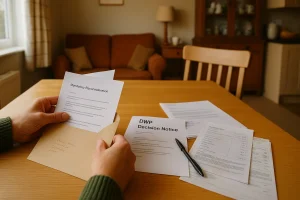
The process for requesting a mandatory reconsideration is flexible and accessible. You can submit your request by:
- Contacting the benefits office by telephone
- Sending a letter
- Completing and posting the CRMR1 form
- Using your Universal Credit online journal if applicable
The contact details for your specific case will be provided in the original decision letter. Regardless of how you choose to submit the request, ensure that it is received within the required time limit.
When submitting your request, you should include:
- Your full name
- Address
- Date of birth
- National Insurance number
- The date of the decision being challenged
- A clear explanation of why the decision is incorrect
While a simple verbal or written request may be accepted, submitting a formal document with thorough reasoning and evidence is often more effective.
What Evidence Should Be Included and How Should It Be Prepared?
Supporting evidence is critical to a successful mandatory reconsideration. The DWP relies on documentation to verify claims and assess entitlements, so providing additional or overlooked evidence can lead to a favourable outcome.
Acceptable forms of evidence include:
- Updated medical reports from GPs, consultants, or mental health professionals
- Care plans prepared by healthcare or social workers
- Recent bank statements or payslips showing income or expenses
- Written statements from support workers or carers
It is important that the evidence is new or was not previously considered in your original application. General factsheets, sick notes, appointment letters, and travel receipts are not usually helpful unless they directly relate to why you could not complete your application or attend assessments.
Every piece of evidence should be clearly marked with your:
- Full name
- Date of birth
- National Insurance number
You cannot be reimbursed for any costs incurred in obtaining this evidence. If in doubt about what to include, consult the guidance notes provided with the CRMR1 form or contact the office listed on your decision letter.
What Happens After the DWP Reviews the Reconsideration?

Once a mandatory reconsideration request is submitted, the DWP will review the entire claim. A different decision-maker from the one who handled the original application will conduct the review.
This internal process includes re-assessing all existing information, as well as any new evidence you have supplied. The DWP will then issue a Mandatory Reconsideration Notice. This document outlines:
- The new decision, if applicable
- A full explanation of the outcome
- A summary of the evidence considered
The outcome may confirm the original decision or result in an increase, decrease, or reinstatement of benefits.
What Can Be Done If the Mandatory Reconsideration Outcome Is Unsatisfactory?
If you disagree with the outcome of the reconsideration, the next step is to appeal to the Social Security and Child Support Tribunal. This tribunal is independent of the DWP and managed by HM Courts & Tribunals Service.
To make an appeal, you must have received the Mandatory Reconsideration Notice, as it is required when submitting the appeal.
You must appeal within one month of the date on the notice. The appeal can be lodged online through the official government portal or by submitting a paper form. The tribunal process includes a hearing before a judge, who will listen to both sides before making a legally binding decision.
What Is the Typical Timeline for a Mandatory Reconsideration and Appeal?

The entire process, from initial DWP decision to final tribunal outcome, can vary depending on individual circumstances. Below is a general timeline:
| Stage | Action | Typical Timeframe |
| Initial decision | DWP issues benefit decision | Day 0 |
| Reconsideration request | Claimant submits mandatory reconsideration | Within 1 month |
| DWP review | DWP re-examines claim and evidence | 2 to 8 weeks |
| Outcome received | Claimant receives Mandatory Reconsideration Notice | Within 14–56 days |
| Tribunal appeal (if required) | Appeal submitted | Within 1 month of MR notice |
| Tribunal hearing and final decision | Tribunal considers appeal | Several weeks to a few months |
This timeframe can be affected by workload, evidence availability, and the complexity of the case.
How Can Someone Improve Their Chances of a Successful Reconsideration?
There are practical ways to strengthen a mandatory reconsideration application. First, it is essential to ensure that the challenge is based on specific points of disagreement, supported by relevant evidence.
Being clear and concise in your written explanation helps the DWP understand the issue. Submitting detailed, new evidence that directly supports your claim is often the deciding factor in a successful outcome.
It is advisable to keep a written log of all communications, including who you spoke to, what was discussed, and when. This can help if your case progresses to a tribunal.
Support is available from various organisations. Citizens Advice, Turn2us, and local authority welfare rights services can assist with writing your request and gathering evidence.
Why Does Understanding the Mandatory Reconsideration Process Matter?
Navigating the UK benefits system can be challenging, especially when faced with a decision that feels unjust. The mandatory reconsideration process offers an essential opportunity to have your case reviewed without needing to go to court.
Understanding how the process works, the importance of timing, and the value of appropriate evidence can greatly improve your chances of success. Even if the DWP upholds their original decision, knowing how to escalate to an independent tribunal gives you further options to pursue the support you believe you’re entitled to.
Frequently Asked Questions
Can mandatory reconsideration be requested multiple times for the same decision?
No. You can only request it once per decision. If the outcome remains unchanged, the next step is an appeal.
Do I need legal representation for the tribunal?
No, legal representation is not required. However, guidance from a welfare adviser or charity can be helpful.
Can my benefits stop while the DWP reviews my reconsideration?
Yes. In some cases, payments may pause depending on the benefit type and situation.
What if I miss the one-month deadline to apply?
You can still apply, but must explain the reason for the delay. The DWP may or may not accept the late request.
Will the DWP contact me during the reconsideration process?
They might, particularly if further clarification is needed. Keep your contact details up to date.
What’s the difference between a mandatory reconsideration and an appeal?
Mandatory reconsideration is an internal review by the DWP. An appeal goes to an independent tribunal.
Where can I get help with the process?
Support is available from Citizens Advice, Turn2us, and local welfare rights offices.