

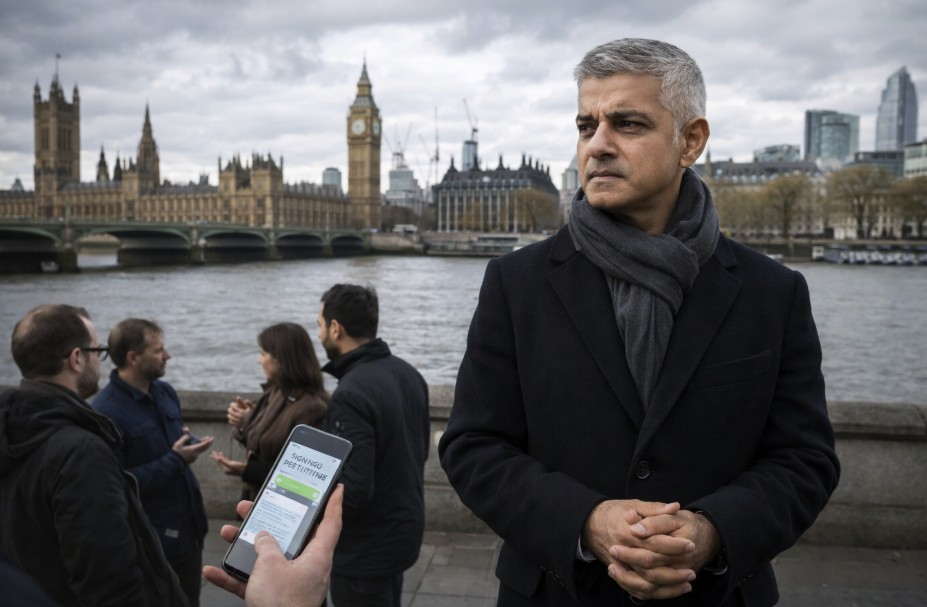
The Sadiq Khan petition against knighthood has attracted significant attention across the UK, with thousands of Britons signing an online campaign urging authorities not to award the London Mayor a knighthood.
The petition reflects growing political debate about Khan’s leadership, his policies as Mayor of London, and whether his record merits one of the UK’s highest honours.
While critics argue that rising crime, housing concerns, and policy decisions make the honour undeserved, supporters say Khan’s achievements in public service and environmental initiatives justify recognition.
The petition has therefore become more than a simple campaign. It represents a wider public discussion about leadership, accountability, and the UK honours system.
Key takeaways include:
- A Change.org petition calls for the government not to award Sadiq Khan a knighthood
- The campaign has gathered over 175,000 signatures
- Critics cite crime rates, housing issues, and taxes in London
- Supporters highlight achievements such as environmental and social policies
- The debate reflects broader political divisions in the UK
What Is the Sadiq Khan Petition Against Knighthood?
The Sadiq Khan petition against knighthood is an online campaign that asks authorities to reconsider awarding the London Mayor one of the UK’s most prestigious honours.
The petition gained traction after reports suggested that Khan could receive a knighthood as part of national honours recognition for public service. Hosted on Change.org, the campaign argues that a knighthood should be reserved for individuals who have made exceptional contributions to their communities or professions.
Supporters of the petition claim that Khan’s record as Mayor of London does not meet this standard and that awarding him such recognition would be controversial.
The petition also highlights concerns raised by critics about crime levels, economic pressures, and governance during his tenure. By signing the campaign, supporters aim to express their opposition publicly and influence decision makers responsible for honours recommendations.
As the number of signatures grew, the issue attracted attention from national media outlets and political commentators. This publicity turned the petition into a broader political discussion about leadership in London and the criteria used to award national honours.
Who Started the Petition and How Many People Have Signed It?
The Sadiq Khan petition against knighthood quickly gained momentum after it was launched online, drawing attention from both political supporters and critics across the UK. The campaign highlights how digital petitions have become a powerful way for members of the public to express their views on political issues.
Origin of the Campaign
The petition was created by Conservative councillor Matthew Goodwin-Freeman, who publicly opposed the idea of the London Mayor receiving a knighthood.
According to reports, he launched the campaign to encourage debate about Khan’s record in office and to give the public an opportunity to express their opinion.
Goodwin-Freeman has been openly critical of the Mayor’s leadership and believes that the honour would not reflect the experiences of many London residents. The petition page argues that London has faced a number of challenges during Khan’s tenure, including concerns about crime levels and the rising cost of living.
During a public event known as People’s Question Time, the councillor referenced the petition while addressing the Mayor. He said that large numbers of people had signed the campaign to block the honour, suggesting that it reflected growing dissatisfaction among parts of the public.
Although the petition was initiated by a political figure, the campaign quickly expanded beyond party lines as it gained wider online attention.
Number of Signatures and Public Support
The petition rapidly gained traction online and has attracted over 175,000 signatures, according to media reports. This level of engagement shows how quickly online campaigns can mobilise public participation when an issue receives national attention.
Several factors helped the petition gain visibility:
- Coverage by major UK media outlets such as BBC News and the Evening Standard
- Political debate surrounding Khan’s record as Mayor of London
- Social media discussions about the UK honours system
- Public concerns about crime, housing, and local policies
The growing number of signatures also reflects how petitions have become an increasingly common tool in British politics. While such campaigns do not directly determine honours decisions, they can highlight public sentiment and influence political discussions.
As the petition continued to gather signatures, it became part of a wider conversation about leadership, political accountability, and how national honours are awarded.
Why Are People Signing the Sadiq Khan Petition Against Knighthood?

The Sadiq Khan petition against knighthood has attracted support from people who believe the Mayor’s record in office should be examined carefully before awarding a national honour.
For many signatories, the campaign represents an opportunity to express dissatisfaction with certain policies or outcomes during his leadership. While opinions vary, several common concerns have been raised by critics and political opponents.
Concerns About Crime and Public Safety
One of the most frequently mentioned criticisms relates to crime levels in London, particularly knife crime. Critics argue that public safety remains one of the most important responsibilities of city leadership.
Some opponents claim that crime statistics during Khan’s time as mayor raise questions about whether his administration has done enough to address the issue. Data referenced in political discussions has pointed to increases in certain types of violent crime. Political figures have also raised concerns publicly.
Conservative politician Chris Philp criticised the decision to honour Khan and said:
“Under Sadiq Khan, Londoners have faced a 61 percent increase in knife crime, a housing crisis and a 70 percent increase in council tax.”
Such comments reflect the argument made by many critics that safety concerns should be a key factor when evaluating public service achievements.
Other concerns mentioned by petition supporters include:
- Perceived lack of progress in reducing violent crime
- Concerns about policing resources in London
- Public frustration about safety in certain areas
For these critics, the petition provides a way to express their belief that the Mayor’s performance should be assessed more critically before awarding a knighthood.
Cost of Living and Housing Issues
Another reason many people cite for signing the petition relates to the cost of living and housing challenges faced by London residents.
London remains one of the most expensive cities in Europe, and many critics argue that housing affordability has continued to worsen in recent years. Some campaign supporters point to statistics showing rising rental prices during Khan’s time in office.
Concerns raised by critics include:
- Increasing rent costs across the capital
- Housing targets not being fully met
- Difficulty for younger residents to buy homes
During a public event, Matthew Goodwin-Freeman criticised the Mayor’s record and asked:
“How can anyone afford to live in London anymore?”
This comment reflected the frustration expressed by some Londoners who believe the cost of living crisis has not been addressed effectively.
Housing has long been a central political issue in London, and debates about development, affordability, and planning policies continue to influence public opinion.
Transport, Taxes and Policy Decisions
Transport and taxation policies have also contributed to the debate surrounding the petition. One major point of criticism relates to the expansion of the Ultra Low Emission Zone, commonly known as ULEZ. While supporters say the policy helps improve air quality, opponents argue that it places financial pressure on drivers.
Other concerns raised by critics include:
- Increases in council tax during Khan’s time as mayor
- Charges linked to infrastructure projects such as new tunnels
- Concerns about economic pressures on businesses
These policy decisions have become key topics in London politics. Supporters of the petition argue that such issues should be considered when evaluating whether the Mayor’s leadership deserves national recognition.
What Supporters of Sadiq Khan Say About His Knighthood?
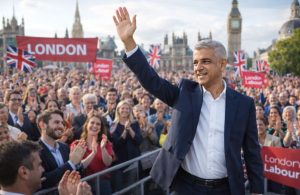
While the Sadiq Khan petition against knighthood has gained attention, many supporters strongly disagree with the criticism and believe the honour is justified.
Supporters argue that Khan’s political career represents an important story of public service and social mobility. Born to a bus driver and raised in south London, he became a human rights lawyer before entering Parliament and eventually serving as Mayor of London.
Supporters highlight several achievements during his leadership:
- Policies aimed at improving air quality across London
- Programmes supporting affordable housing development
- Expansion of free school meals for children
- Initiatives focused on public transport and environmental sustainability
Foreign Secretary David Lammy praised the recognition and said the UK should celebrate stories of opportunity and achievement. He stated:
“I am proud that in our country you can go from being the son of a bus driver to being a knight of the realm.”
Supporters also argue that leading one of the world’s largest cities involves complex challenges and that many issues raised by critics are influenced by broader national or global economic factors.
For them, the knighthood reflects years of public service rather than a judgment on every policy decision. They believe Khan’s leadership has contributed to London’s international reputation and long term development.
How Has Sadiq Khan Responded to the Petition?
Sadiq Khan has largely dismissed the petition against his knighthood, choosing not to engage deeply with the criticism surrounding the campaign.
During a public meeting known as People’s Question Time, the issue was raised by councillor Matthew Goodwin-Freeman. The exchange quickly drew attention due to the Mayor’s reaction.
According to reports, Khan laughed when the question was raised. The councillor asked whether he would admit to being a “knight-mare” in light of the petition, but the event chair ruled the question out of order.
When later asked about the petition, Khan suggested he was focused on his responsibilities rather than speculation about honours.
He said:
“I’m too busy being the Mayor of London to indulge in those sorts of conversations.”
The Mayor also suggested that criticism was expected in politics and referenced his electoral success.
Responding to the Conservative councillor, he remarked:
“He’s a Tory councillor, a self appointed commentator, but he knows the amount of votes I’ve got.”
His response indicates that he views the petition largely as part of normal political opposition rather than a serious challenge to his leadership.
Supporters say this reaction reflects confidence in his electoral mandate, while critics believe the issue deserves more serious discussion.
How Does the UK Honours System Work and What Is a Knighthood?
The debate surrounding the Sadiq Khan petition against knighthood has also drawn attention to how the UK honours system works. A knighthood is one of the most recognisable honours awarded in the United Kingdom.
It is granted to individuals who have made notable contributions to society, public service, business, arts, or charity. Recipients are usually announced during major honours lists, such as the New Year Honours.
Key features of the honours system include:
- Individuals are nominated by members of the public or organisations
- Committees review nominations and make recommendations
- Final approval is granted by the monarch
- Honours recognise service across many fields including politics
Below is a simplified comparison explaining key aspects of knighthoods.
| Aspect | Explanation |
| Purpose | Recognise exceptional service to society or a professional field |
| Nomination Process | Public nominations reviewed by government committees |
| Typical Recipients | Politicians, scientists, artists, charity leaders, community figures |
| Announcement | Usually revealed in national honours lists such as New Year Honours |
While honours celebrate achievements, they can also generate debate when awarded to political figures. Critics sometimes argue that such recognition can appear political, while supporters see it as recognition of public service.
What the Sadiq Khan Petition Against Knighthood Reveals About UK Political Debate?
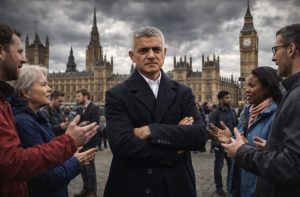
The Sadiq Khan petition against knighthood highlights broader trends in modern British politics. It demonstrates how digital campaigns can quickly become part of national conversations about leadership and accountability.
Online petitions have become a common way for citizens to express their views. Platforms like Change.org allow campaigns to gain visibility rapidly through social media and news coverage. The debate also reflects deeper political divisions.
Key themes visible in the discussion include:
- Increasing polarisation between political parties
- Strong public interest in the performance of local leaders
- The growing role of online activism in shaping political narratives
Political critics often use such campaigns to raise concerns about policy decisions, while supporters argue that elected leaders should be judged primarily through democratic elections.
The discussion around Khan’s potential knighthood therefore goes beyond one individual. It highlights how public recognition of political figures can become a focal point for wider debates about governance, policy outcomes, and public expectations of leadership.
Public Opinion on the Sadiq Khan Petition Against Knighthood
Public opinion on the Sadiq Khan petition against knighthood remains divided, reflecting the complex political landscape in London and across the UK.
For some people, the petition represents a legitimate expression of dissatisfaction with the Mayor’s policies. They believe public honours should reflect strong performance and positive outcomes for citizens.
Others argue that the campaign is politically motivated and does not reflect the views of the wider population.
Different perspectives expressed in the debate include:
- Critics who believe the honour should not be awarded due to policy disagreements
- Supporters who see Khan as a successful mayor who deserves recognition
- Neutral observers who view the petition as part of democratic discourse
The discussion also highlights how public perception of leadership can vary depending on personal experiences, political beliefs, and media narratives.
Despite the controversy, Khan has continued to maintain strong electoral support in London, having won multiple mayoral elections. This reality illustrates how political debates often involve competing interpretations of the same record.
Conclusion
The Sadiq Khan petition against knighthood has become a significant talking point in UK political discussion. What began as an online campaign has grown into a broader debate about leadership, accountability, and the UK honours system.
Critics argue that challenges faced by London during Khan’s tenure make the honour controversial, while supporters highlight his achievements and long record of public service. The contrasting views show how political recognition can generate strong opinions on both sides.
Ultimately, the debate reflects the democratic nature of public life in the UK. Petitions, media coverage, and political commentary all contribute to ongoing discussions about how leaders should be judged and honoured.
FAQs
What is the Sadiq Khan petition against knighthood about?
It is an online campaign asking authorities not to award the London Mayor a knighthood. Supporters of the petition believe his record in office should not be recognised with the honour.
Who started the petition opposing Sadiq Khan’s knighthood?
The petition was started by Conservative councillor Matthew Goodwin-Freeman. He launched the campaign to encourage debate about the Mayor’s record.
How many people have signed the Sadiq Khan knighthood petition?
Reports indicate that more than 175000 people have signed the online petition. The number grew quickly after the campaign gained media attention.
Why do some people oppose Sadiq Khan receiving a knighthood?
Critics cite concerns about crime rates, housing issues, and policy decisions during his time as mayor. They argue these issues should be considered before awarding national honours.
What has Sadiq Khan said about the petition?
Khan largely dismissed the campaign and said he was focused on his work as Mayor of London. He stated he was too busy doing his job to engage in such discussions.
How does the UK knighthood honours system work?
People can be nominated for honours by members of the public or organisations. Committees review nominations before recommendations are approved by the monarch.
Can a public petition stop someone from receiving a knighthood?
A petition cannot directly block an honour. However, it can highlight public opinion and influence political debate around the decision.