

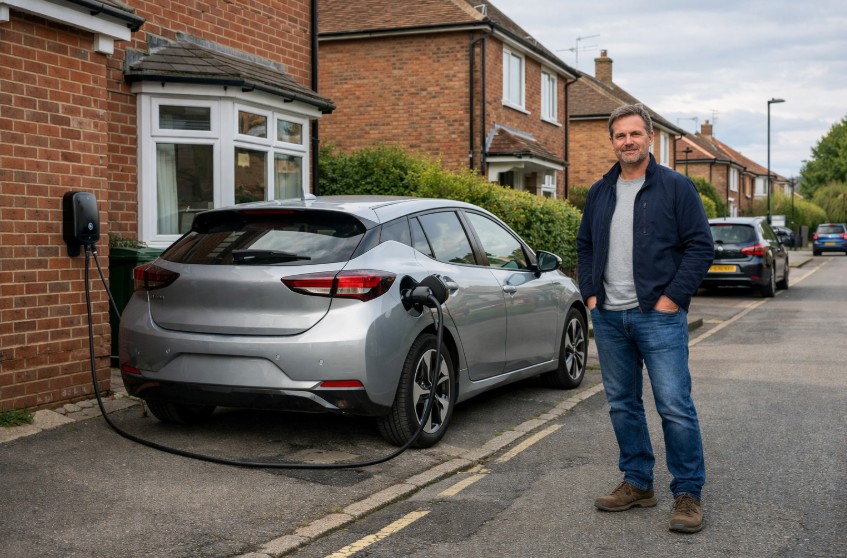
Electric vehicles are becoming a practical long-term choice for many UK drivers because running costs continue to fall and support for cleaner transport keeps growing. More households and businesses now see that EVs offer financial stability and fewer mechanical problems compared with petrol and diesel cars. Carry on reading to understand why EVs stand out as the smarter long-term option.
What Makes EV a Better Option for UK Drivers in the Long Term?
Predictably Lower Running Costs
The shift to electric transport is driven by the need for cost stability. Rising fuel prices have pushed many drivers to seek an option that’s easier to budget for, and an EV delivers this because electricity prices are far more stable.
Drivers also benefit from home charging which cuts daily travel costs and builds long-term savings. Providers like EZOO help drivers control these expenses further through subscription and salary sacrifice models that bundle servicing, breakdown cover, and tax into one plan.
Fewer Repairs

EVs have fewer moving parts so the risk of costly mechanical faults drops. There’s no exhaust, clutch, or complex engine system which cuts the chance of unexpected workshop visits.
This simplicity also extends battery life because modern EV batteries are built for long-term durability and retain strong performance over many years.
Data continues to show that EV maintenance costs sit lower than petrol or diesel since most routine checks focus on tyres, brakes, and software updates rather than engine wear.
Strong Government Backing
Government support plays a major part in making EVs attractive for long-term ownership because incentives reduce upfront and monthly costs. Drivers can access Benefit-in-Kind savings through salary sacrifice while businesses gain tax advantages when adding EVs to their fleets.
Schemes like Hire Purchase and salary sacrifice also allow drivers to move into electric transport without heavy financial pressure because payments spread gradually over time. This helps more people commit to EVs with confidence, since long-term savings fare becoming more and more apparent every day.
Making Strides Towards the UK’s Net Zero Target
Environmental pressure shapes many long-term decisions and EVs allow drivers to cut emissions every day. The UK’s target to reach net zero by 2050 has encouraged wider adoption of clean transport because road emissions remain a major contributor to air pollution.
EVs cut carbon output instantly when charged on renewable electricity, so drivers who switch reduce their impact from day one. This progress also supports cleaner cities since fewer fumes help improve daily air quality for families and commuters.
Flexible Ways to Access Electric Cars
Flexibility is another reason EVs are becoming a better long-term option. Drivers can move into electric transport through salary sacrifice, subscription services, or Hire Purchase which allows them to find a structure that fits their budget.
Salary sacrifice remains one of the most popular choices because monthly payments reduce tax and National Insurance while also removing the stress of separate bills for servicing and insurance. This model suits long-term planning because drivers know exactly what they’ll pay each month.
Conclusion
EVs remain a strong long-term choice because they offer predictable costs, fewer repairs, flexible access, and genuine environmental gains. Drivers also benefit from ongoing government support which keeps the transition affordable and stable.
As the UK continues to expand charging networks and strengthen its commitment to cleaner transport, electric cars are set to become an even more reliable option for years ahead.