
Why Did Gloucester’s AG Meek Store Close After 60 Years?
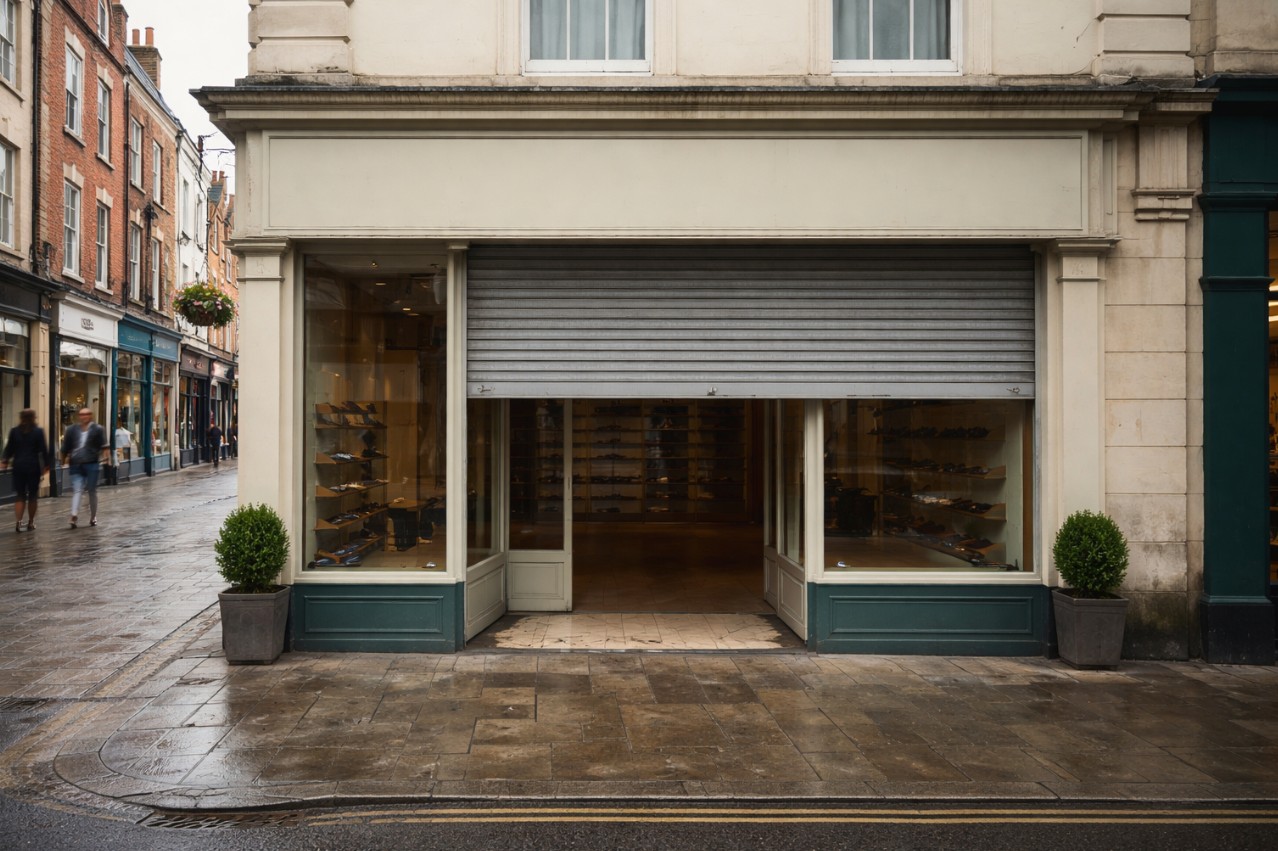
What happens when a trusted name in local retail can no longer survive the pressures of modern business? That’s the question many Gloucester residents found themselves asking when A.G. Meek announced the closure of its Eastgate Street store in April 2025, ending a remarkable 60-year presence in the city.
The store first opened its doors in 1965 on Westgate Street and had recently relocated to Eastgate Street in 2021. For generations, it served local families with trusted footwear brands and knowledgeable staff. But behind the nostalgic storefront, financial strain was mounting, and fast.
David Meek, the owner of the family-run chain, pointed to a “perfect storm” of economic pressures. In a candid message to customers, he said:
“I am very sad to tell you that we are closing our shoe shop after 60 years trading in Gloucester City Centre. We have been struggling with rapidly rising costs and reduced footfall since the pandemic, and the shop has not been covering its costs.”
It wasn’t just a local issue. The broader picture revealed systemic changes in the UK retail environment, but for A.G. Meek, the most pressing concerns were immediate:
- Employer National Insurance contributions rose from 13.8% to 15%, while the earnings threshold was cut, increasing tax burdens on small businesses with part-time employees.
- A retail business rates discount, once providing a 75% relief, dropped dramatically to 40%, adding thousands in costs.
- Footfall in the Gloucester city centre continued to decline post-COVID, leaving brick-and-mortar stores like AG Meek unable to generate enough revenue to remain viable.
David Meek summarised the tipping point:
“Our national insurance on one shop and our business rates are increasing by £5,000 a year each from April, and this is unsustainable.”
The store ran a closing-down sale through April, with discounts of 35% or more on popular brands like Skechers, Kickers, Timberland, Fly London, and Van Dal, alongside a £10 gift voucher for each purchase. But the writing was already on the wall, not just for AG Meek in Gloucester, but for the entire brand’s future.
What Was A.G. Meek’s Legacy in Gloucester?
A.G. Meek wasn’t simply a shop, it was a part of Gloucester’s heritage.
Founded in Cardiff in 1912, the company expanded into England and became known in the 1950s for its “Meek’s Sets” — coordinated shoes, bags, and gloves that catered to the stylish and practical shopper alike. In Gloucester, its Westgate Street shop became a go-to for quality footwear. Whether it was school shoes, work shoes, or weekend wear, locals trusted AG Meek for both selection and service.
Customers didn’t just come for the products; they came for the staff’s knowledge, friendly service, and a personal shopping experience that felt increasingly rare in today’s retail environment. It was a business with roots, not just a chain outlet.
As the news of the closure broke, longtime shoppers shared their sentiments online:
“This is so sad to read, as your business is part of the fabric of Gloucester’s history.”
“Always a favourite of mine to shop, such lovely staff as well.”
“Really sad, especially when other cities seem to be busy still. What will be left for our children?”
These emotional responses paint a clear picture: the loss of AG Meek is felt not just economically, but culturally.
How Did National Policies and the Pandemic Contribute to the Store’s Decline?
The closure of AG Meek can’t be understood without looking at the changing financial landscape for small retailers in the UK.
Economic Pressures
From April 2025, employer National Insurance contributions jumped to 15%, while the earnings threshold was lowered from £9,100 to £5,000. This placed an even heavier burden on small businesses employing part-time staff, like AG Meek.
Meanwhile, the retail business rate discount fell from 75% to 40%. That’s a dramatic increase in operating costs for businesses already dealing with post-pandemic recovery. As Meek described, these hikes added £10,000 in annual costs for just one store — a sum that could easily wipe out profits in a high street with falling sales.
“The recent budget is a disaster for small businesses employing lots of part-time staff like ours.”
While larger retailers can offset such increases with automation, price hikes, or scale efficiencies, smaller shops don’t have that flexibility. AG Meek couldn’t install self-checkouts or adjust pricing with the same ease as Amazon or department store chains.
COVID’s Lingering Impact
The pandemic fundamentally altered consumer behaviour. Shoppers moved online, and many never returned to physical shops. For a business like AG Meek, which thrived on personal interaction and in-store fittings, this change hit hard.
The Gloucester branch saw footfall plunge and never recover to pre-pandemic levels. Despite efforts to attract customers through loyalty schemes and promotions, the reality was sobering: foot traffic simply wasn’t enough to sustain the shop.
Is This the End of A.G. Meek Across the UK?
At the time of Gloucester’s closure, four A.G. Meek stores remained in Wales. However, recent updates confirm that all physical stores have now been shut, making Gloucester the final English location to close.
As of late 2025, the A.G. Meek website remains active, and online orders may still be processed, but no public announcements have clarified whether the brand intends to continue purely as an eCommerce operation.
This shift marks a major change for a brand that, until recently, prioritised in-person service and physical retail experiences. The move away from the high street reflects not only AG Meek’s financial reality but also a broader evolution in how UK consumers shop.
What Does This Say About the Future of Gloucester’s High Street?
Gloucester is no stranger to high street losses. The closure of AG Meek adds to a growing list of local favourites that have disappeared in recent years, from independent cafes to household-name department stores.
The local council has acknowledged these challenges and is working on revitalisation efforts, including:
- Incentives for small businesses and start-ups
- Encouraging mixed-use spaces (retail, work, and leisure)
- Expanding markets and pop-ups to increase footfall
However, without meaningful structural reform, particularly in taxation and rate relief, even the most creative urban planning may fall short. The emotional impact of losing businesses like AG Meek illustrates that what’s at stake isn’t just economics, but community identity.
How Does AG Meek’s Closure Reflect a National Trend?
The UK high street is undergoing a transformation. According to the British Retail Consortium, over 17,000 stores closed in 2024. Independent retailers are among the hardest hit, lacking the capital and infrastructure to pivot to online models as effectively as national chains.

AG Meek’s story is one of many, a once-thriving, family-run business pushed out not by poor management, but by external economic forces, legislative changes, and shifting consumer behaviour.
These issues are especially problematic for footwear retailers, where customers often want in-person fittings and advice. As in-store shopping declines, so too does the need for specialist shoe shops on the high street.
AG Meek: Past vs Present – A Snapshot
| Category | Past – Pre-2020 | Present – 2025 |
| Gloucester Store | Opened in 1965 | Closed in April 2025 |
| Store Location | Westgate St (1965–2021), Eastgate St (2021–2025) | No physical presence |
| Number of UK Stores | 10+ | 0 (all closed) |
| Ownership | Family-run (David Meek) | Remains family-run (online) |
| Main Brands Sold | Skechers, Rieker, Timberland | Final clearance in 2025 |
| Online Operations | Minimal | Only remaining channel |
What Can We Learn From This Closure?
The closure of AG Meek’s Gloucester store is a case study in how local businesses are impacted by national decisions. Rising taxes, inconsistent government support, and post-pandemic economic conditions have pushed many once-stable businesses to breaking point.
But it also shows something else, that local businesses matter deeply to communities. The outpouring of support and shared memories online show that Gloucester didn’t just lose a shoe shop. It lost a piece of itself.
If the UK wants to revive its high streets, the solution won’t be found in another retail park or online shopping platform. It will come from policies that support the small, the loyal, and the local.
Frequently Asked Questions
When did the AG Meek store in Gloucester close?
The Gloucester store closed its doors in mid-April 2025, ending a 60-year run in the city.
Why did AG Meek close?
The closure was due to rising business costs, including increased National Insurance and reduced business rates relief, alongside declining footfall after the pandemic.
Are there any AG Meek shops still open?
No. As of late 2025, all physical AG Meek stores have been closed across the UK.
Can I still buy AG Meek products online?
The A.G. Meek website remains active, but the long-term future of online operations is uncertain.
What brands did AG Meek sell?
Popular brands included Kickers, Skechers, Fly London, Timberland, Rieker, and Van Dal.
How did customers respond to the closure?
The closure was met with sadness and nostalgia, with many long-time customers sharing memories and tributes on social media.
What does this closure mean for Gloucester’s high street?
It reflects the broader decline of independent retail in the UK and signals a need for urgent reform to support small businesses.